Iran in U.S. News: War, Sanctions, and the Battle for Strategic Survival
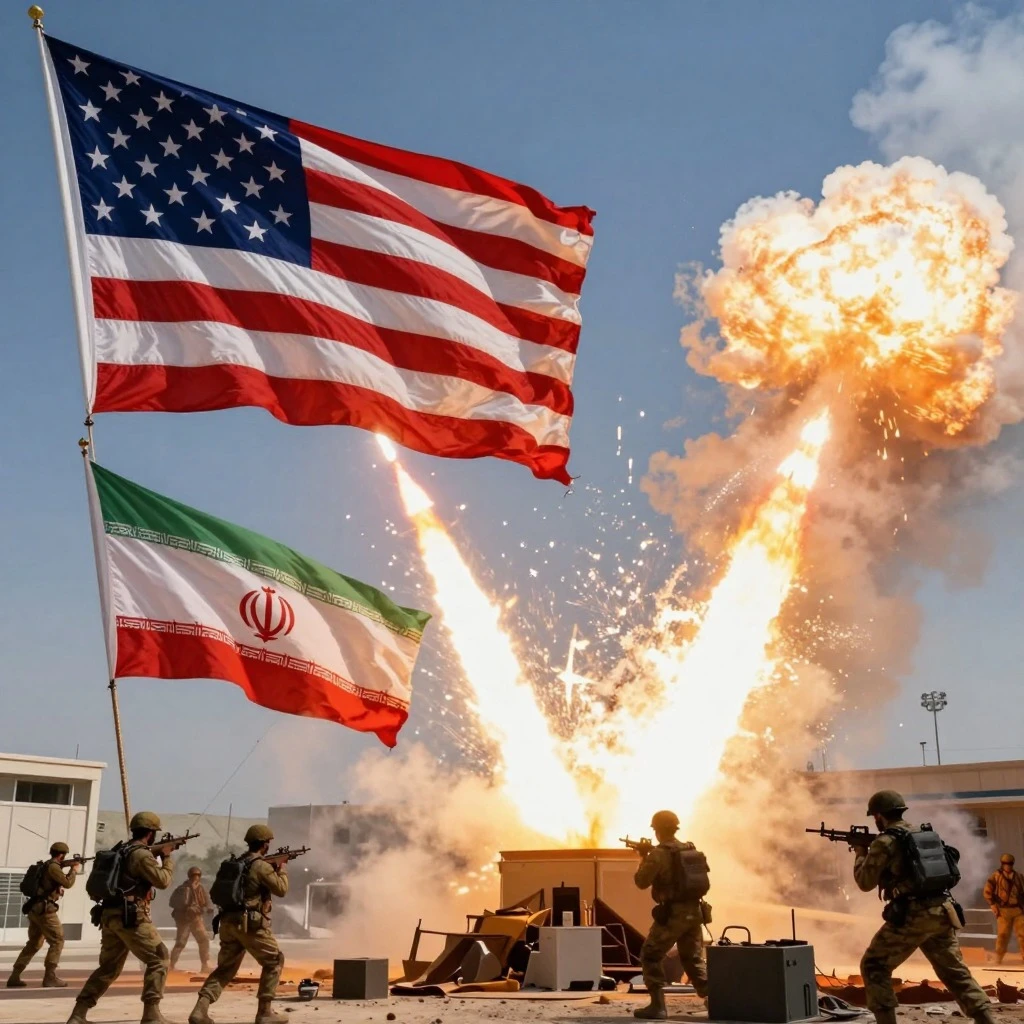
The United States and Israel launched a military campaign against Iran with the expectation that it would topple the Islamic Republic or, at minimum, significantly degrade its nuclear and military capabilities. However, Iran has survived the worst of the war so far and scored important strategic wins, defying the quick victory that Washington and Tel Aviv had anticipated. As the conflict enters its third month, a U.S.-led fleet has been tasked with maintaining a naval blockade of Iran, while the loss of critical radar systems has reduced the scope of battlefield intelligence that guided U.S. operations. The human cost has been severe: hundreds of civilians were reported killed in the first days of the attacks, including more than 100 children at a primary school in southern Iran, according to Iranian authorities.
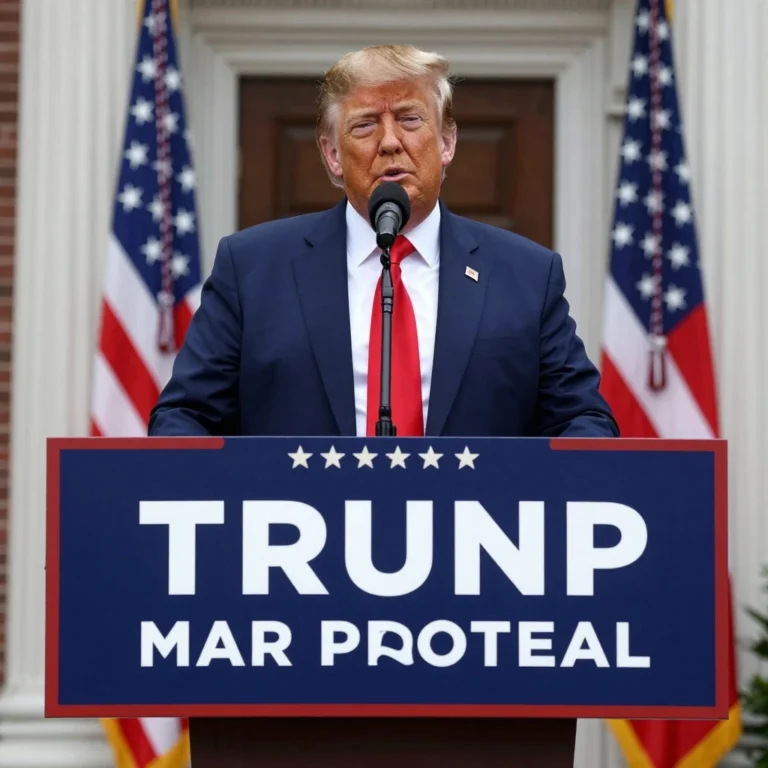
President Trump indicated the operation could last a month or more, while also claiming to be open to talks with what remained of Iran’s leadership. This dual approach—military pressure coupled with diplomatic openness—reflects the uncertainty surrounding the campaign. Whether the U.S. operation leads to the prolonged military entanglement that critics warn of, or the swift resolution the administration promises, remains deeply uncertain. The strategic goal of compelling Iran to abandon its nuclear ambitions and change its regional behavior is clear, but the path to achieving it is fraught with risk. The loss of radar systems has already hampered U.S. intelligence, and Iran’s resilience suggests that a decisive outcome is far from guaranteed.
Meanwhile, the economic toll on Iran has been devastating. Iran’s currency, the rial, has lost the vast majority of its value since sanctions were reimposed, with inflation year-on-year exceeding 60% at the end of 2025 and food prices rising by more than 70% year on year. These figures underscore the severe hardship faced by ordinary Iranians, who are caught between a repressive regime and external pressure. The central question remains: whether any political transition serves the interests of ordinary Iranians, or primarily those of external powers. As the war drags on, the answer will shape not only Iran’s future but also the stability of the entire region.

 Shimanta Das