
Germany’s Health Insurance System in Flux: Key Developments and Challenges
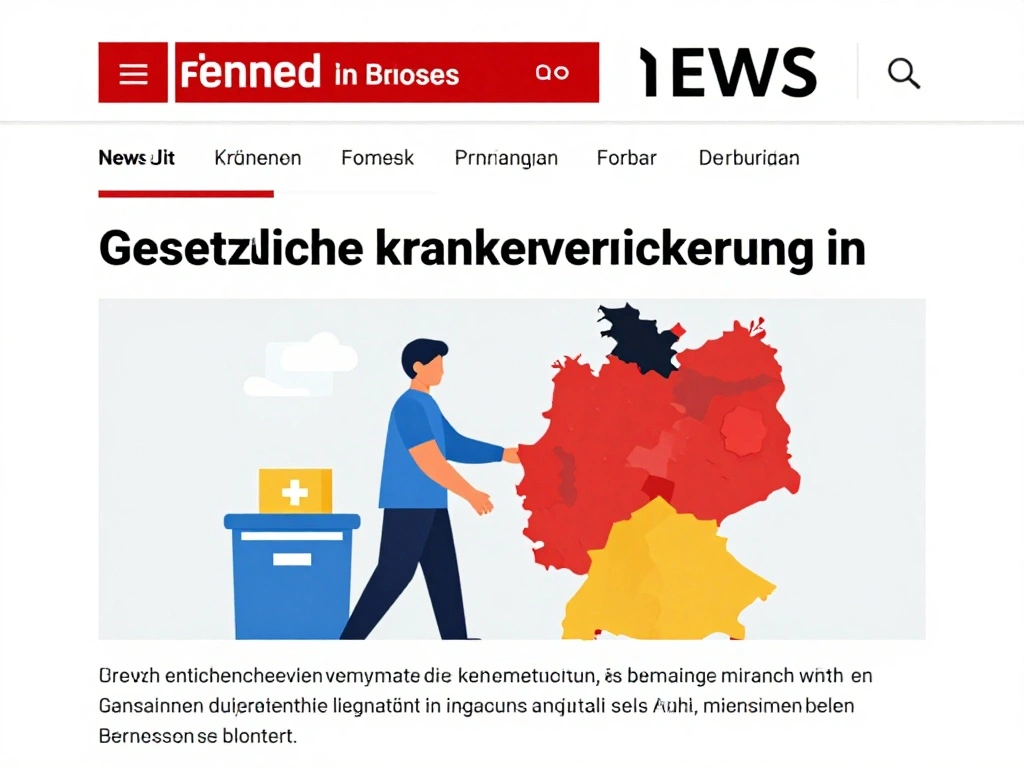
Germany’s statutory health insurance (GKV) system is undergoing significant changes, with recent political appointments and legislative reforms shaping its future. One notable development is the appointment of Christina Ramb as the new head of the Department for Social Affairs, Health, Labor, Environment, and Societal Policy in the Chancellery. Ramb, who previously led the Federation of German Employers’ Associations, brings a unique perspective to the role. This move is part of Chancellor Merz’s broader restructuring of the government’s central office, signaling a focus on health and social policy at the highest level.
At the same time, the GKV system faces mounting pressure. A new law aimed at stabilizing contribution rates has passed both the Bundestag and the Bundesrat, allowing it to take effect. The legislation introduces measures to curb healthcare spending and reorganize various sectors. However, hospitals and the pharmaceutical industry have issued stark warnings about the potential consequences of the accompanying savings package. They argue that cuts could lead to staff shortages, reduced services, and limited access to innovative treatments, ultimately compromising patient care.
The debate over healthcare reform has also sparked political tensions. The opposition has attempted to halt a vote on the reform, citing concerns about its impact. Christoph Mestmacher, ARD Berlin correspondent, noted a “certain uncertainty” surrounding the reform and the opposition’s efforts to block it. This uncertainty is compounded by broader challenges, such as a shortage of doctors, which threatens the system’s ability to provide timely and adequate care. The GKV’s sustainability is a pressing issue, with experts calling for long-term solutions beyond short-term cost-cutting.
Amid these challenges, there are positive initiatives. Betriebskrankenkassen (company health insurance funds) in the Northwest region have launched a nationwide health day focused on prevention. This initiative aims to raise awareness about preventive measures and promote a healthier society. By emphasizing prevention, the GKV system can potentially reduce long-term costs and improve public health outcomes. As Germany navigates these complex dynamics, the balance between fiscal responsibility and quality healthcare remains a critical priority.

 Shimanta Das