Fed Raises Rates for First Time in Three Years: What It Means for Markets and the Economy
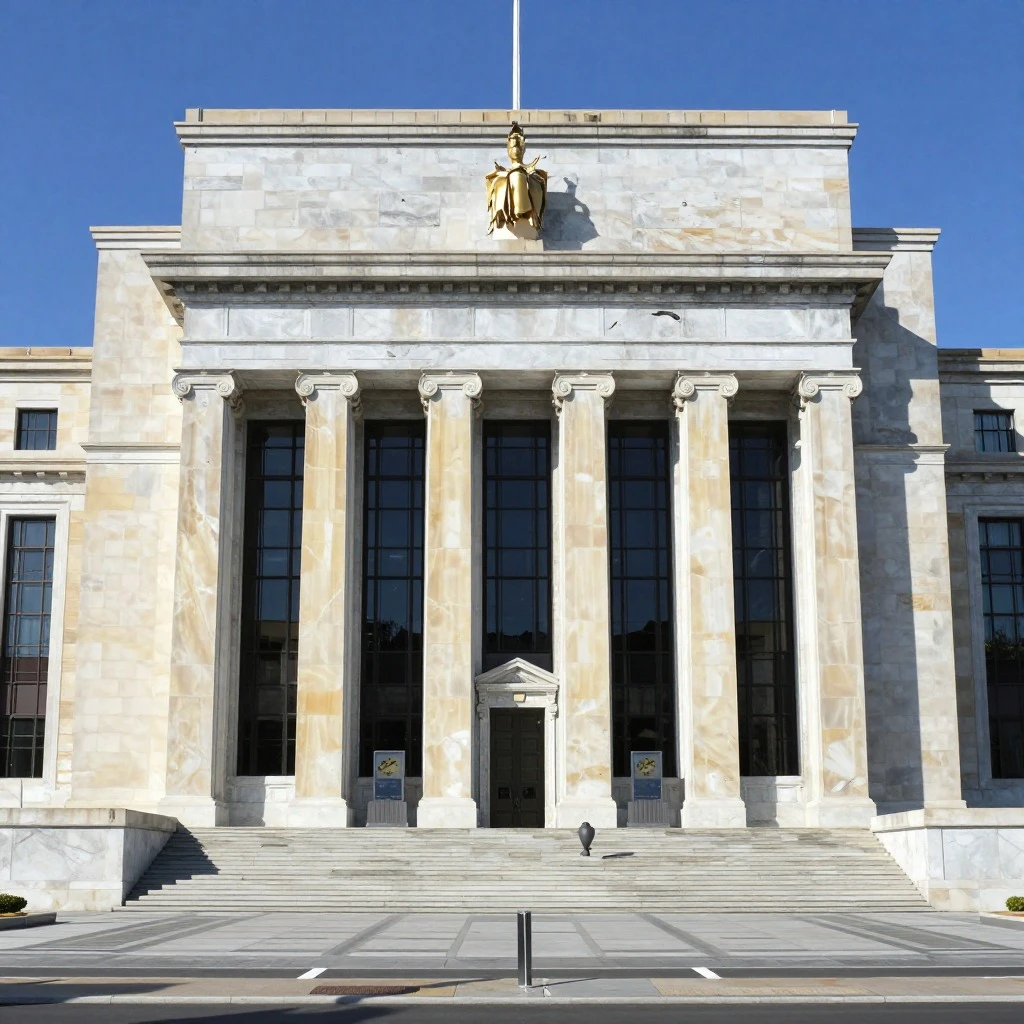
The Federal Reserve made headlines on September 16, 2026, by raising interest rates for the first time in three years. The Federal Open Market Committee (FOMC) unanimously voted to increase rates by a quarter point, signaling a shift in monetary policy under the leadership of Fed Chair Kevin Warsh. The decision comes amid speculation about the Fed’s political independence, especially after President Donald Trump reportedly offered advice to Warsh before the vote. When asked if he still had confidence in Warsh, Trump did not directly answer, highlighting tensions between the White House and the central bank.
Financial markets reacted swiftly. The Dow Jones Industrial Average shed 600 points following the announcement, while the tech-heavy Nasdaq remained essentially flat. Analysts noted that if the Fed’s actions fail to calm rising yields and the 10-year Treasury yield remains above 5%, the bar to hold stocks will be raised. “We don’t think this is the beginning of another major tightening cycle, and markets have too much tightening priced in over the coming year,” said Michael Pearce, chief U.S. economist. The Fed has two more meetings scheduled for 2026: October 27-28 and December 8-9, leaving room for further adjustments.
In his post-meeting remarks, Chair Warsh emphasized the importance of forward-looking policy. “I think it’s so important that we established a task force that should report by the end of the year to help us think about the implications for our future policy conjuncture,” he said. The task force is expected to examine the broader economic implications of the rate hike and inform future decisions. However, the move has reignited debates about the Fed’s political independence, with critics questioning whether the panel can remain free from political influence.
As the year progresses, all eyes will be on the Fed’s next moves. With two meetings remaining, investors and policymakers alike will watch for signals about whether this rate hike is a one-off or the start of a new tightening cycle. The balance between controlling inflation and supporting economic growth will be crucial, especially with the 10-year yield hovering near 5%. For now, the Fed’s action underscores its commitment to its dual mandate, but the path ahead remains uncertain.

 Shimanta Das