Europe Heat Wave Collides with Wimbledon 2026
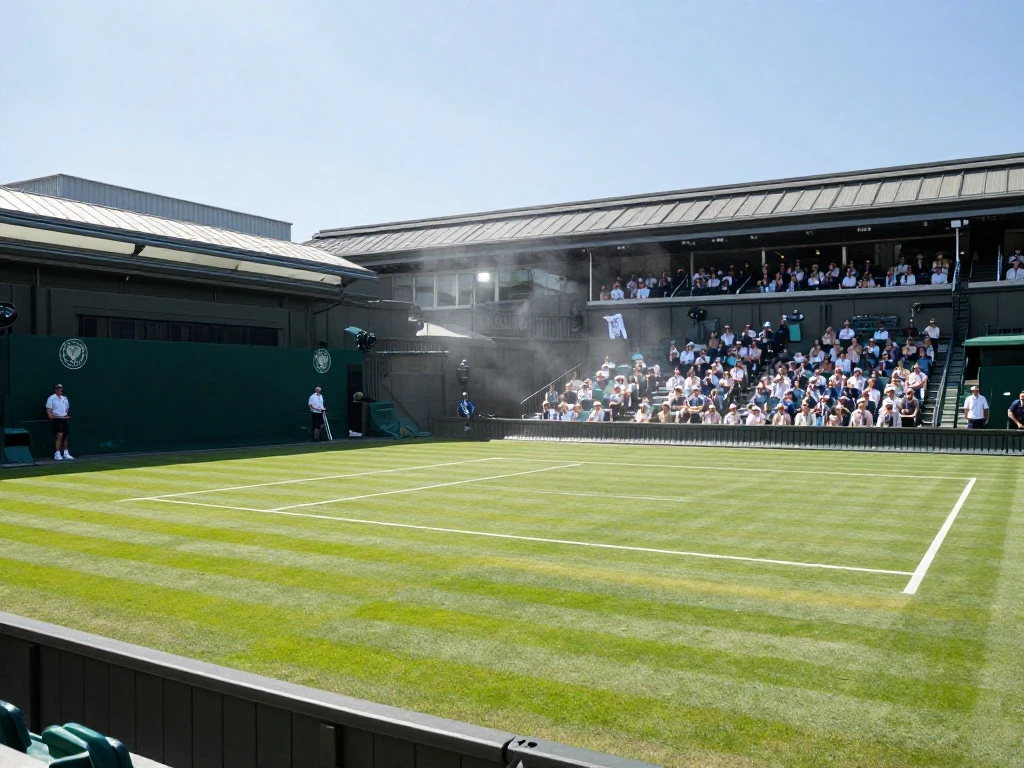
As Europe swelters under a record-breaking heat wave, the world’s most prestigious tennis tournament, Wimbledon, is set to commence on Monday. The Championships, held annually at the All England Club in London, will not only feature top-tier tennis but also a battle against extreme temperatures. With the heat wave showing no signs of abating, players, officials, and fans alike are bracing for a grueling fortnight.
The heat wave has already wreaked havoc across the continent, with far-reaching consequences. In Hainburg an der Donau, Austria, water levels in the Danube have plummeted to the lowest on record, significantly lower than during the infamous 2003 European heat wave. Similarly, in North Macedonia, the Bačevo spring, which supplies over 400,000 people, has recorded critically low water levels. By September 21, one of the Bačevo wells was merely two centimeters above the critical level, and water supply restrictions persisted into October. These stark realities underscore the severity of the situation and raise concerns about the potential impact on the tournament.
Wimbledon has a heat stress protocol in place to protect players. The rule applies to all singles events in both the qualifying and main draw, but it can only be activated when the heat stress index reaches or exceeds 30. The heat stress index takes into account temperature, humidity, and other factors to determine the actual stress on the body. If activated, the protocol allows for additional breaks and other measures to ensure player safety. However, the threshold is relatively high, and with temperatures soaring, it remains to be seen whether the index will hit the mark. The hottest day ever recorded at Wimbledon was July 1, 2015, when temperatures reached a blistering 35°C (95°F). This year, forecasters predict that the mercury could rise even higher, potentially challenging that record.
The heat is not the only challenge facing the tournament. Last year, a technical malfunction with the Hawk-Eye line-calling system caused chaos. The system was accidentally turned off mere days after it was introduced to replace line judges, leading to a damning indictment of the new technology. This year, organizers are keen to avoid a repeat. However, during qualifying at Roehampton, players left the courts due to a perceived electrical issue soon after noon. Officials decided that chair umpires could not be entrusted to make line calls and that there would be no reserve line callers available for qualifying in case of malfunctions, unlike at next week’s main draw at the All England Club. This incident highlights the ongoing challenges of integrating technology into the sport and the need for robust contingency plans.
In coastal areas, temperatures are expected to remain between 21° and 24°C during the night, offering little respite from the daytime heat. This could affect players’ recovery and sleep quality, potentially impacting their performance on the court. The All England Club has advised players to take precautions, such as staying hydrated and using ice towels during changeovers. Fans are also encouraged to bring sunscreen, hats, and plenty of water. The tournament has implemented additional shade areas and water stations to help spectators cope with the heat.
Despite the challenges, the show must go on. Wimbledon is known for its tradition and resilience, and this year will be no exception. Players will need to adapt their game to the conditions, perhaps employing more aggressive tactics to shorten points and conserve energy. The heat could favor those who are physically fit and acclimatized to hot conditions, adding an extra layer of intrigue to the competition. As the world watches, the tournament will serve as a testament to the spirit of sport and the ability to overcome adversity.
In conclusion, the collision of Europe’s heat wave with Wimbledon 2026 presents a unique set of challenges. From player safety to technological hiccups, the tournament will be a test of endurance and adaptability. With record temperatures and water shortages across the continent, the event also serves as a reminder of the broader environmental issues at hand. As the first ball is served on Monday, all eyes will be on the skies and the thermometers, hoping for a safe and thrilling championship.

 Shimanta Das