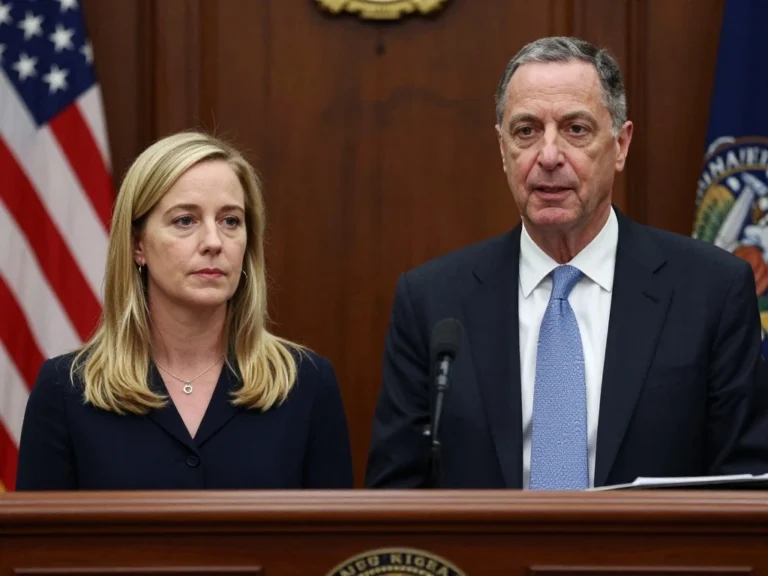
DeSantis Withdraws Execution Order for Inmate with Dementia, But Death Sentence Stands

In a surprising move, Florida Governor Ron DeSantis has withdrawn an execution order for an inmate suffering from severe dementia and cognitive decline. The decision, which has not been widely publicized, comes amid growing scrutiny over the execution of individuals with mental impairments. While the specific reasons behind DeSantis’s action remain unclear, the withdrawal does not signify a commutation or pardon; the inmate, identified as Mr. Thompson, remains on death row, and a new death warrant could be issued in the future.
The case dates back to 1978, when Thompson pleaded guilty to all charges and was sentenced to death, with a majority of the jury in support. His legal journey has been long and complex, and recent evaluations have raised serious questions about his competency. A neuropsychologist opined that Mr. Thompson meets the criteria for insanity due to his dementia and significant cognitive decline. This assessment has fueled arguments that executing him would violate constitutional protections against cruel and unusual punishment, particularly given his diminished mental capacity.
DeSantis’s withdrawal of the execution order is a temporary reprieve, not a permanent one. It’s important to note that withdrawing the order doesn’t imply a commutation or pardon; Thompson remains on death row, and DeSantis could potentially issue a new order in the future. The governor’s decision may have been influenced by recent events in other states, such as the botched execution attempt of Christa Pike in Tennessee at the end of September, which prompted that state’s governor to suspend all remaining executions for the year. However, it remains unclear what factors specifically influenced DeSantis’s decision in this case.
As it stands, Thompson will remain on Florida’s death row, and a new death warrant could be signed for him at any time. The case highlights the ongoing national debate over the death penalty, especially for inmates with severe mental illness or cognitive decline. While the withdrawal offers a temporary pause, it does not resolve the broader legal and ethical questions surrounding Thompson’s fate or the state’s approach to capital punishment.

 Shimanta Das