Cockpit Warning: Pilot Repeatedly Alerted to Excessive Speed Before Fatal Miami Cargo Crash
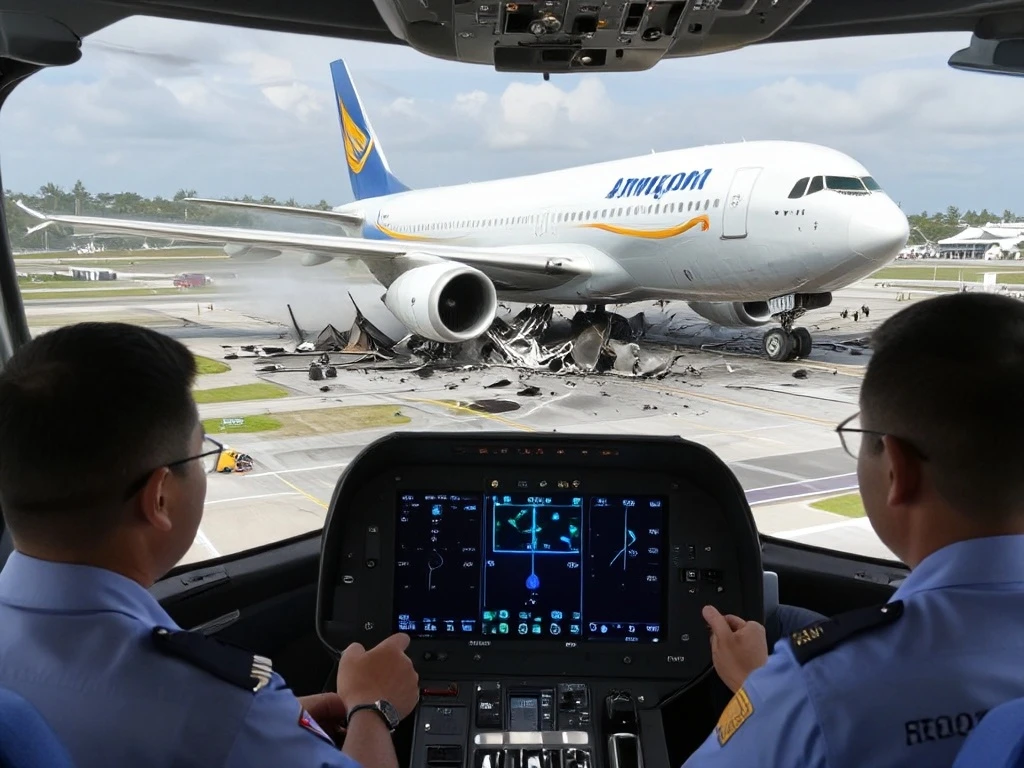
Federal investigators have revealed that a cockpit voice recording from the Amazon cargo plane that crashed near Miami International Airport shows one pilot repeatedly warning that the aircraft was approaching too fast and urging a go-around moments before the fatal impact. The Boeing 767, operating for Amazon Air, went down in Florida, killing both pilots on board and injuring five others on the ground, two of whom remained in critical condition as of Tuesday. The recording captures the urgency in the cockpit as the crew faced an unstable approach.
The other pilot made additional comments regarding the aircraft’s excessive speed throughout the remainder of the recording. However, the attempted go-around was aborted just four seconds later, leaving the 767 with only seconds of runway remaining before it left the paved surface. According to an independent reconstruction by Smart Mobility Solutions based on flight tracking data, the aircraft made its initial touchdown at around 4,360 feet from the physical runway threshold, leaving approximately 5,000 feet of runway remaining to stop or throttle up for a go-around. Investigators have not determined what caused the aircraft to approach the runway at such a high speed or why the crew did not successfully execute a go-around.
The National Transportation Safety Board (NTSB) has not released the complete cockpit voice recorder transcript, and no findings have been made about whether pilot actions, aircraft performance, maintenance or other factors contributed to the crash. Investigators are reviewing the aircraft’s ownership history, maintenance records and operational history as part of the ongoing investigation. The reasons those systems were not deployed remain under investigation. Aviation safety experts have pointed to the unstable approach and the failure to initiate an earlier go-around as important areas for investigators to examine.
As the investigation continues, the focus will remain on understanding the sequence of events that led to the crash. The NTSB’s final report, which could take months to complete, will aim to identify the probable cause and recommend safety improvements. For now, the cockpit recording provides a chilling account of the final moments and underscores the critical importance of stabilized approaches and timely go-around decisions in aviation safety.

 Shimanta Das