Hurricane Isaias Slams Florida Panhandle and Alabama, Leaving Hundreds of Thousands Without Power
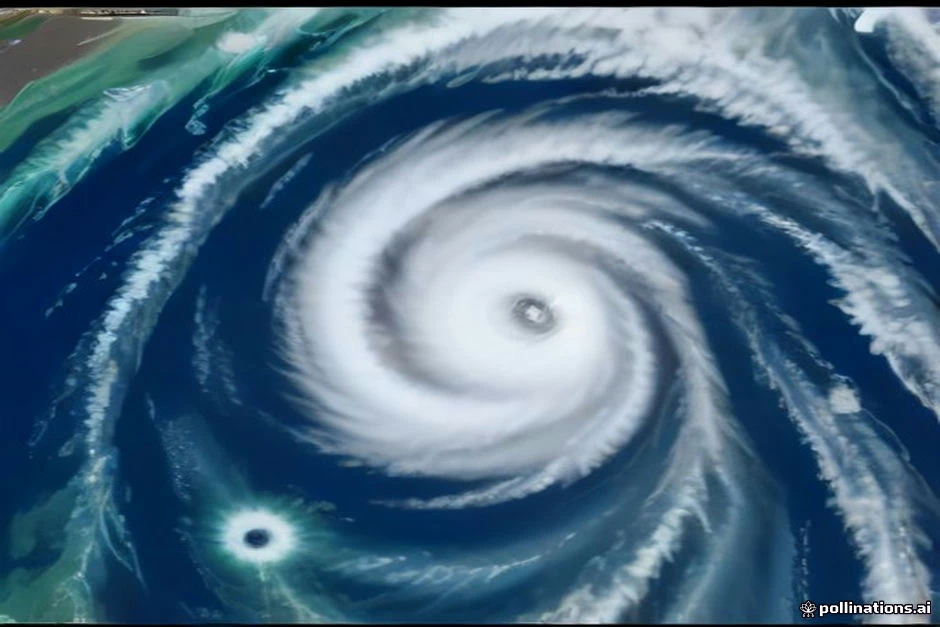
Hurricane Isaias, a strong and destructive tropical cyclone, made landfall along the Florida Panhandle and Alabama coast early Saturday, knocking out power to hundreds of thousands of residents and causing significant damage. The storm, which peaked as a Category 3 major hurricane with maximum sustained winds of 120 mph and a minimum central pressure of 958 mbar, was the first major hurricane of the 2026 Atlantic hurricane season. Isaias formed from a low-pressure area over the southwestern Gulf of Mexico on October 6, rapidly intensified into a hurricane by October 8, and reached its peak intensity on October 9 as it approached the U.S. Gulf Coast. The approach of the storm prompted widespread evacuations across Florida, Alabama, and Mississippi, as well as the closure of critical infrastructure.nnAs Isaias crashed into the Gulf Coast, its powerful winds and heavy rains downed trees and power lines, leaving entire communities in the dark. In Gulf Breeze, Florida, and Mobile, Alabama, officials reported widespread outages, with hundreds of thousands of customers affected. Emergency crews were deployed to restore power and clear debris, but the scale of the damage slowed their efforts. The storm’s impacts were felt across the region, with reports of structural damage, flooding, and hazardous travel conditions. Local authorities urged residents to stay indoors and avoid downed power lines. “This is a dangerous situation, and we need everyone to take it seriously,” said Chief Meteorologist Jordan Ambrose during a livestream providing continuous coverage of the storm. “We’re seeing significant impacts across the Panhandle and into Alabama, and it’s not over yet.”nnIsaias also caused at least nine fatalities and an estimated $2 billion in damage across the affected areas, including eastern Mexico and the eastern United States. The hurricane’s rapid intensification caught some residents off guard, but advance warnings and evacuation orders likely saved lives. The storm’s remnants continued to bring heavy rain and gusty winds inland as it weakened to a post-tropical cyclone on October 10 and dissipated by October 12. The 2026 Atlantic hurricane season has been active, with Isaias being the ninth named storm, and forecasters warn that more storms could develop in the coming weeks. As the Gulf Coast begins the long recovery process, officials are

 Shimanta Das