Coastal Flood Warnings: Your Essential Guide to Staying Safe
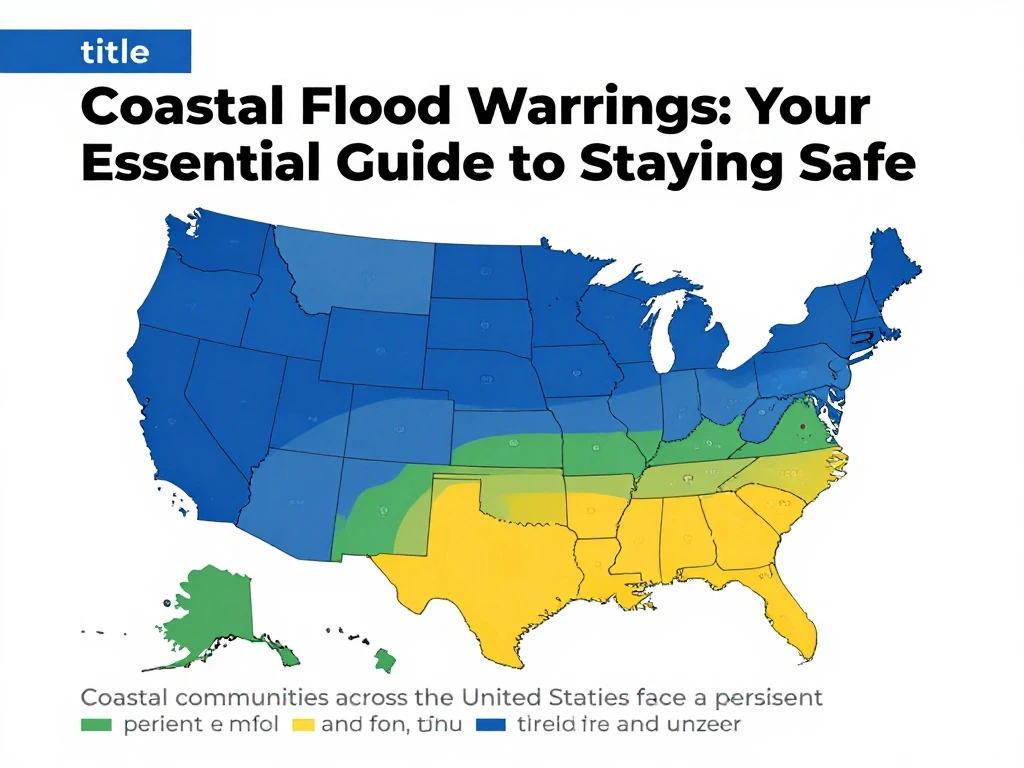
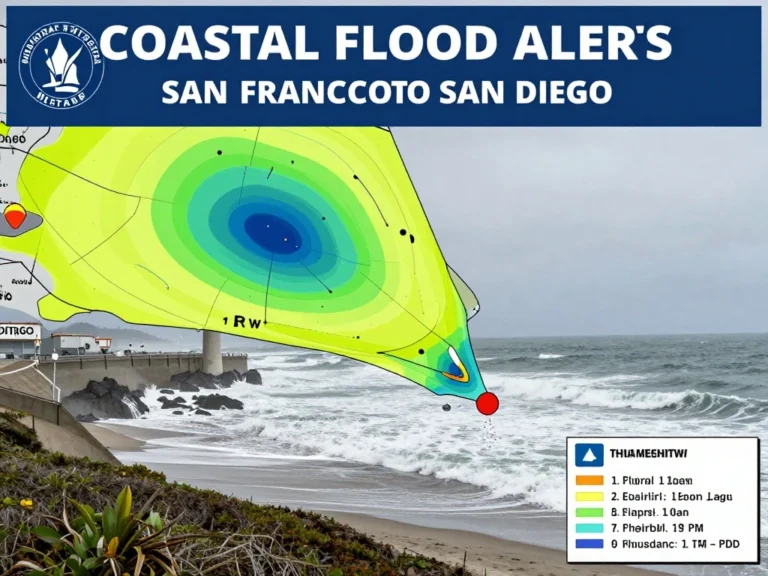
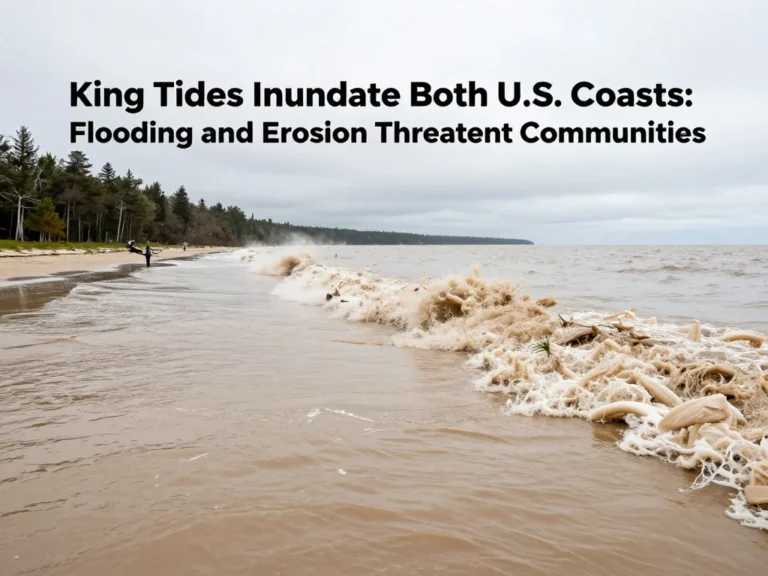
Coastal communities across the United States face a persistent threat from flooding, and staying informed about official warnings is critical. The National Weather Service (NWS) issues Coastal Flood Warnings, Watches, and Statements through local Weather Forecast Offices (WFOs) to alert residents of impending danger. These products are tailored to specific regions, from the Alaska coast (AFG – Fairbanks) to the Gulf of Mexico (HGX – Houston/Galveston) and the Atlantic seaboard (AKQ – Wakefield, VA). By monitoring your local WFO, you can receive timely updates on water level rises, wave action, and other flood-related hazards. Whether you’re in Charleston, SC (CHS) or San Francisco Bay Area, CA (MTR), these warnings provide the lead time needed to protect life and property.nnDuring tropical cyclones and other significant coastal storms, the National Ocean Service’s Center for Operational Oceanographic Products and Services (CO-OPS) activates a custom storm dashboard. This one-stop-shop, linked from CO-OPS’ main website, monitors a storm’s impact on coastal water levels and is updated multiple times a day while the threat persists. The dashboard aggregates data from a network of sensors, most of which use acoustic or microwave water level sensors as the primary tool for collecting real-time information. If a primary sensor fails, backup sensors can disseminate reliable water level data, ensuring continuous monitoring even during severe conditions. This redundancy is vital for accurate forecasting and warning dissemination.nnRecent events underscore the importance of these systems. For instance, in late September, a low-pressure system intensified offshore and became trapped near Long Island and New Jersey for three days (Sept. 26-28) before finally moving into the Gulf of Maine and Canadian Maritimes on Sept. 27. Such stalled systems can produce prolonged coastal flooding, erosion, and property damage. The NWS and CO-OPS work together to issue warnings and provide data, but individual preparedness is equally crucial. Residents in flood-prone areas should sign up for local alerts, know their evacuation routes, and have a plan in place.nnTo access the latest coastal flood warnings,
 Shimanta Das