
Capturing the Eclipse: A UK Photographer’s Guide to Safety and Success
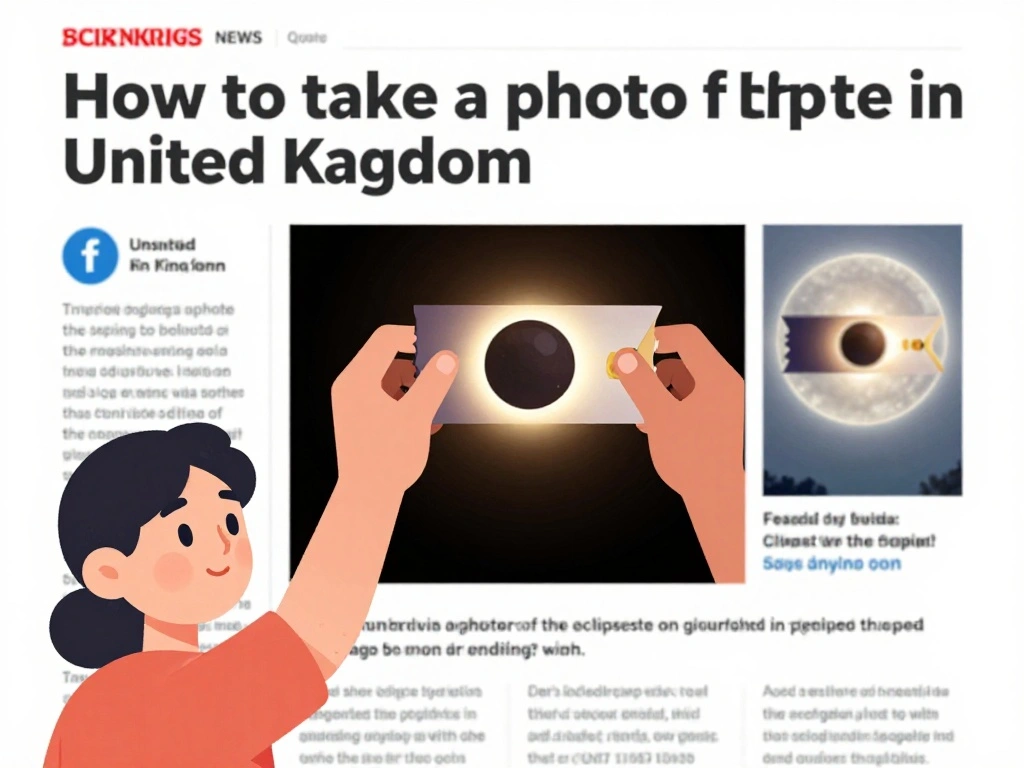
As the UK gears up for the next solar eclipse, photographers across the nation are preparing to capture this celestial spectacle. However, the key to a stunning and safe photograph lies in meticulous planning and the right equipment. The most critical piece of advice is to use a proper front-mounted solar filter during every partial phase and throughout an annular eclipse. This is essential even when the eclipse occurs near sunrise or sunset, as the Sun’s intense rays can damage both your eyes and your camera sensor. Outside the path of totality, the eclipse remains partial even when 99% of the Sun is covered, so the filter must remain attached for the entire event.nnBefore the big day, ensure your solar filter is in perfect condition. Check for any pinpricks or damage that could let through harmful light, and always have a backup filter on hand. A stable and easily adjustable mounting solution is also crucial, as you’ll need to track the Sun’s movement across the sky. For camera settings, a low ISO is vital to preserve the intense colours of totality. For different phases, use these shutter speeds as a guide: for the inner corona, start at 1/500s; for Baily’s beads, use 1/4,000s; for the chromosphere, 1/2,000s; and for prominences, 1/1,000s. These settings will help you capture the intricate details of the eclipse.nnPreparation is key to a successful shoot. Create a checklist that covers safety, camera equipment, power and storage, camera setup, and personal essentials. Ensure your batteries are fully charged and you have ample memory cards. Practice setting up your gear beforehand so you can work quickly when the eclipse begins. On the day, arrive early to find a good location with a clear view of the horizon. Remember to end your session safely by keeping your solar filter on until the Sun is completely clear of the Moon’s shadow.nnIn summary, photographing a solar eclipse in the UK is a rewarding challenge that requires careful planning and adherence to safety protocols. By using a solar filter, checking your equipment, and following the recommended camera settings, you can capture breathtaking images of this rare event. Always prioritise safety, both for yourself and your gear, and you’ll be well on your way to creating memorable photographs. For more

 Shimanta Das