California Drops Felony Charges Against Stanford Students Over Gaza Protest
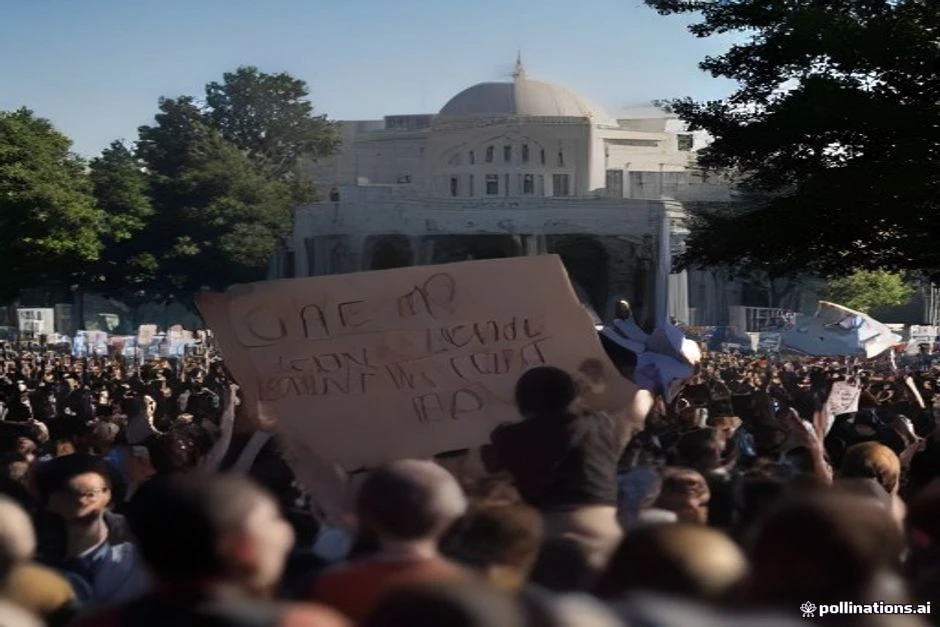
In a significant legal development, the California Attorney General’s office has dismissed felony charges against Stanford students who were arrested during a Gaza protest. The charges stemmed from a demonstration outside the office of Stanford’s president on June 5, 2024. The case had been referred to state prosecutors after a Santa Clara County judge determined that the county’s district attorney had a conflict of interest. The decision to drop the charges marks a victory for free speech and political dissent, according to defense attorney Tony Brass, who said his team is “thrilled” at the outcome.nnThe dismissal has profound implications for the defendants, particularly for those who chose to stand trial. Maya Burke, one of five protesters who opted for trial, spoke outside the San Jose Hall of Justice on September 21, 2026, after the charges were dismissed. For many, the resolution allows them to resume their activism without the burden of a criminal case. “The most significant part of this is that I can continue to be involved in the Palestine movement in ways that were kind of curtailed by also being actively a defendant in a criminal case,” said Zhai, who graduated from Stanford as the trial got under way and is now in law school at a different university. The dismissal also aligns with a broader trend: a majority of nationwide protesters had their criminal charges dropped, reflecting a pattern of prosecutors declining to pursue such cases.nnHowever, the outcome has not been without controversy. Some critics argue that the local criminal justice system does not “seek justice in instances of major war crimes,” as Wang noted, highlighting a perceived disparity in how the system addresses different forms of protest and wrongdoing. The case had drawn attention due to the serious nature of the felony charges, which could have resulted in significant penalties. The decision to drop them underscores the complexities of prosecuting protest-related offenses and the balance between maintaining public order and protecting First Amendment rights.nnThis development is part of a larger national conversation about the treatment of Gaza protest participants. While the dismissal is a relief for the Stanford students, it also raises questions about the selective application of justice. The protesters’ ability to continue their advocacy without legal jeopardy is a testament to the resilience of political dissent, but it also highlights ongoing debates about the role of
 Shimanta Das