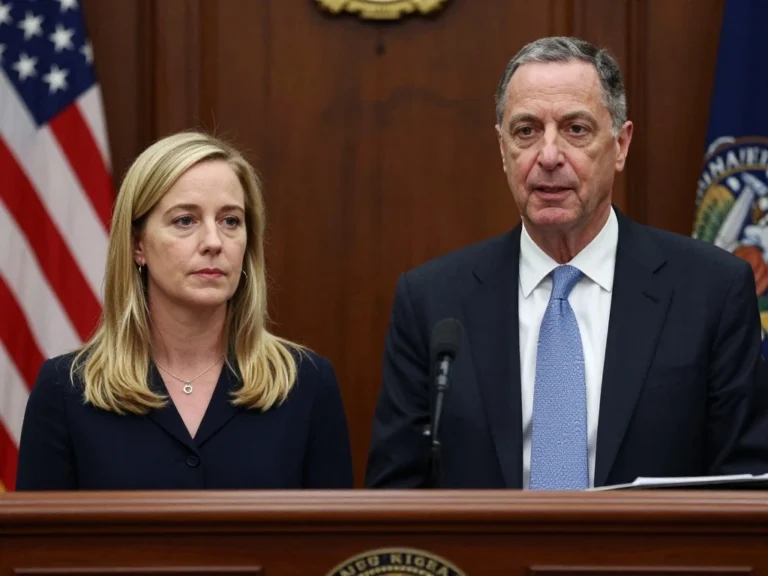
Battleground Senate Debates Turn Heated in Maine, Michigan and Georgia Ahead of Midterm Elections
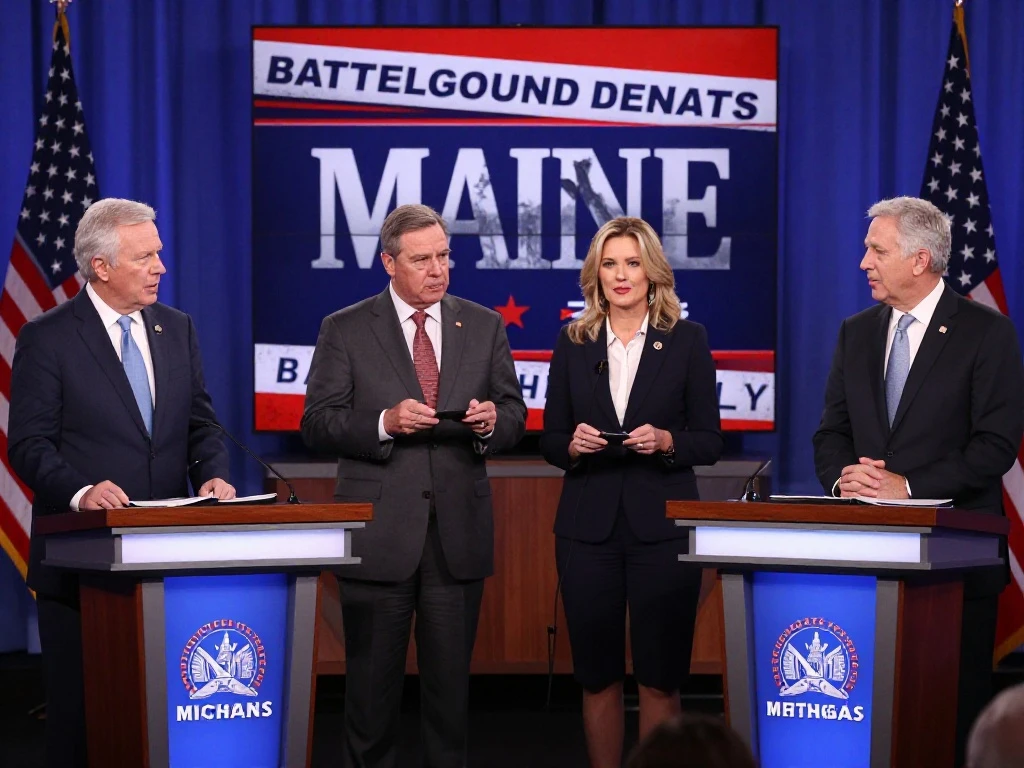
Senate candidates in Georgia, Michigan, and Maine clashed in a series of heated debates Thursday night, underscoring the high stakes as Republicans and Democrats battle for control of Congress ahead of the November midterm elections. According to an NBC News report, the economy remains the most important issue for voters in both parties, and the debates reflected that focus, with sharp exchanges over tariffs, immigration, and government accountability.
In Maine, the second debate between Republican Sen. Susan Collins and Democratic challenger Troy Jackson ended with tensions running high. Jackson accused Collins of supporting tariffs that have driven up the cost of consumer goods, a key factor in keeping former President Trump’s approval ratings at historically low levels. Collins never directly answered the question, instead pivoting to her work on immigration reform. The two also argued over whether funding for body cameras for ICE agents would effectively reform the agency. “I prioritize the body-worn cameras after the shootings in Minneapolis, and I have worked with the acting director of ICE and the new secretary of DHS to make sure that the ICE officers in Maine were fully trained and equipped,” Collins said, defending her record.
The debates in Georgia and Michigan were equally combative, with candidates trading barbs over economic policy and national security. In Georgia, Democratic candidate Jon Ossoff repeatedly pressed his opponent on tariff support, arguing that such policies have hurt working families. The Michigan debate featured similar clashes, with candidates highlighting their visions for job creation and inflation relief. Across all three states, the debates highlighted the parties’ divergent approaches to the economy, with Democrats blaming Republican policies for rising costs and Republicans countering that Democratic spending proposals would worsen inflation.
With the midterms approaching, these debates serve as a critical preview of the messaging that will dominate the final weeks of the campaign. The economy, immigration, and government reform are emerging as central themes, and the candidates’ performances could sway undecided voters in these key battlegrounds. As the races tighten, both parties are expected to intensify their efforts, making every debate and public appearance a pivotal moment in the fight for Senate control.

 Shimanta Das