Steve Witkoff’s Diplomatic Mission in Russia: A New Era of Engagement?
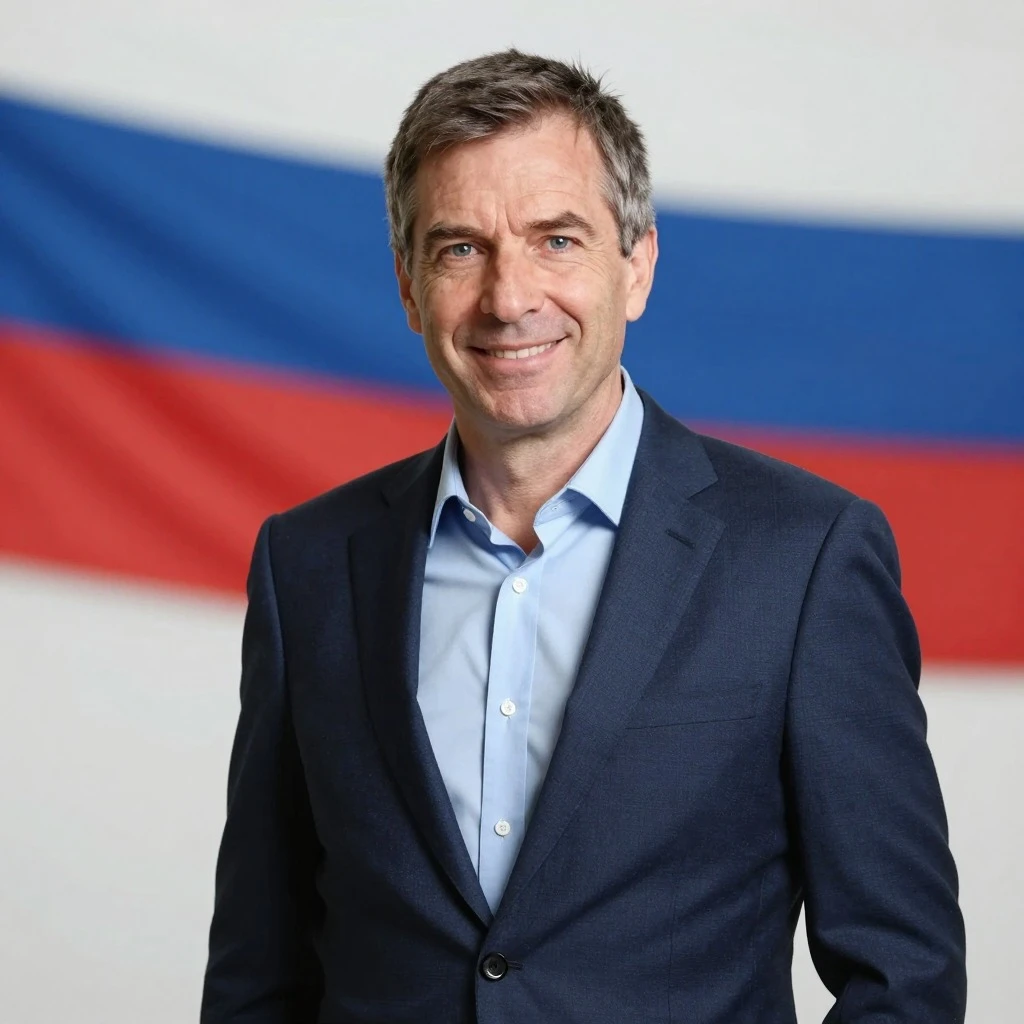
In a surprising turn of events, Steve Witkoff, a prominent real estate investor and close ally of former President Donald Trump, has emerged as a key figure in unofficial diplomatic efforts between the United States and Russia. While not an official envoy, Witkoff’s recent visits to Moscow have sparked speculation about back-channel communications and potential thawing of relations. His business acumen and personal connections have positioned him as a unique intermediary, though his role remains shrouded in ambiguity.
Witkoff’s foray into international diplomacy is not entirely unprecedented; he has previously engaged in discussions on foreign policy matters, leveraging his relationship with Trump. However, his presence in Russia underscores the complex dynamics at play. On one hand, it signals a willingness from certain American quarters to engage with Russian leadership, potentially opening avenues for dialogue on critical issues like arms control and regional stability. On the other hand, it raises questions about the effectiveness of unofficial envoys in navigating the intricate landscape of US-Russia relations, especially given the current geopolitical tensions.
While Witkoff’s exact agenda remains undisclosed, his meetings with Russian officials are believed to have touched upon economic cooperation and potential investment opportunities. This aligns with his background in real estate and finance, suggesting that his approach might prioritize business-led diplomacy. However, critics argue that such informal channels could undermine official foreign policy and create confusion. Nonetheless, Witkoff’s efforts highlight the growing importance of non-state actors in international relations, where personal relationships and economic incentives often intersect with political objectives.
As the situation evolves, the impact of Witkoff’s visits will be closely monitored. Whether his initiatives lead to tangible outcomes or remain symbolic gestures, they reflect a broader trend of unconventional diplomacy. In an era where traditional statecraft faces numerous challenges, figures like Witkoff may play increasingly significant roles, for better or worse. Only time will tell if this new form of engagement can bridge divides or further complicate an already intricate relationship.

 Shimanta Das