
The Strategic Role of Oil Storage Facilities in Russia’s Energy Landscape
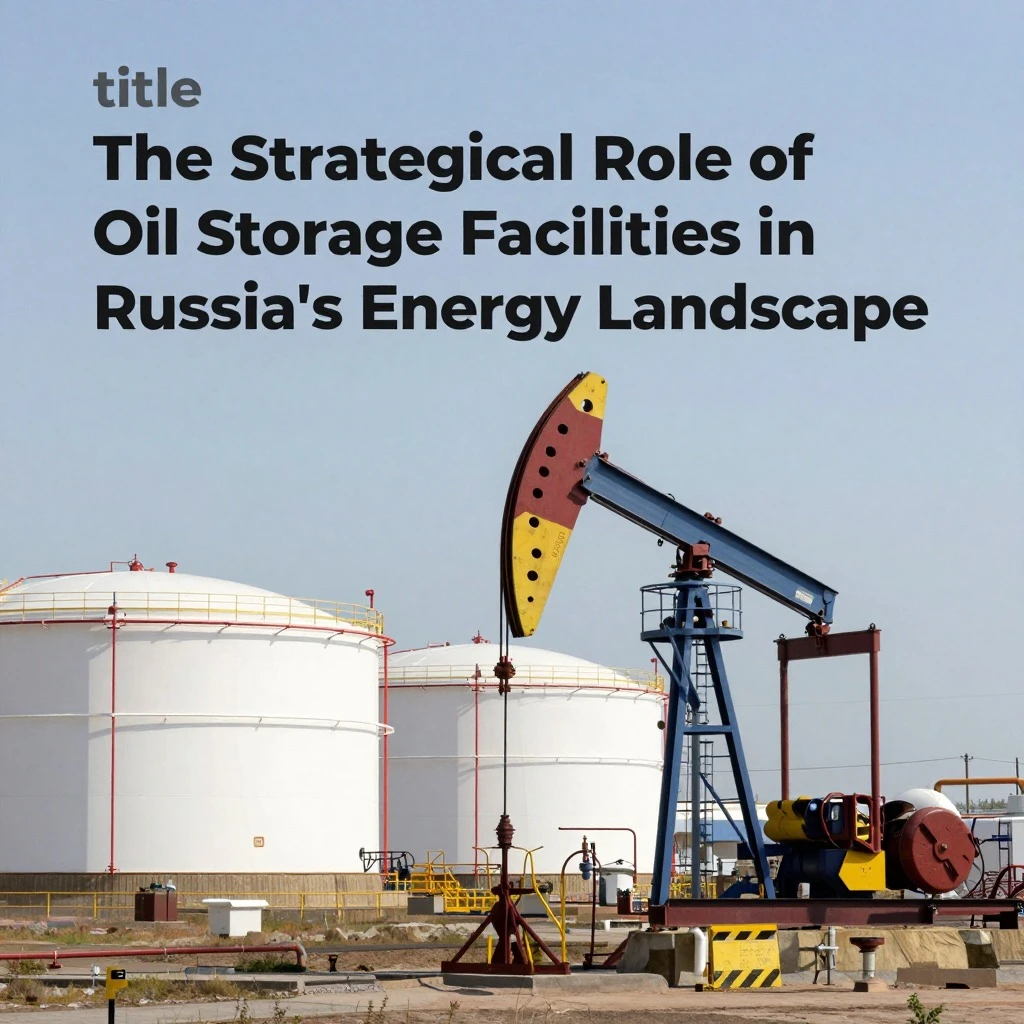
Russia, as one of the world’s leading oil producers, relies heavily on an extensive network of oil storage facilities to manage its vast crude oil and refined product output. These facilities are not merely static reservoirs; they are dynamic components of the country’s energy infrastructure, enabling strategic reserves, export flexibility, and market stabilization. With a capacity exceeding hundreds of millions of barrels, Russian storage sites range from above-ground tank farms to underground caverns, strategically located near production hubs, refineries, and export terminals. This infrastructure allows Russia to adjust supply in response to global demand fluctuations, geopolitical pressures, and OPEC+ agreements, making it a pivotal player in the global energy market.nnOne of the key functions of these facilities is to support Russia’s export ambitions. Major pipelines, such as the Druzhba and the Eastern Siberia–Pacific Ocean (ESPO), feed directly into storage terminals at ports like Primorsk, Novorossiysk, and Kozmino. These terminals act as buffers, ensuring a steady flow of oil even during peak shipping periods or when logistical disruptions occur. Moreover, the ability to store large volumes of crude enables Russian companies to capitalize on favorable price differentials, buying low and selling high, while also mitigating the impact of temporary production outages or refinery maintenance. This strategic flexibility is crucial for maintaining revenue stability in a volatile market.nnBeyond commercial advantages, oil storage facilities play a critical role in national energy security. Russia maintains substantial strategic reserves to cushion against emergencies, such as natural disasters, supply chain interruptions, or sudden price spikes. These reserves are often held in underground salt caverns, which offer superior safety and lower evaporation losses compared to above-ground tanks. The government’s control over these reserves provides a lever to influence domestic fuel prices and ensure supply during crises, thereby protecting consumers and industries. In recent years, investments have been directed toward modernizing aging infrastructure, incorporating advanced monitoring systems and automation to enhance efficiency and reduce environmental risks.nnHowever, the operation of oil storage facilities in Russia is not without challenges. Aging infrastructure, particularly in remote regions, poses risks of leaks and accidents, prompting stricter regulatory oversight and cleanup efforts. Additionally, the global push toward decarbonization and the energy transition is prompting Russian companies to explore repurposing storage sites for cleaner fuels or carbon capture, though such initiatives remain nascent. As Russia navigates sanctions and shifting trade

 Shimanta Das