Italy’s Nursing Brain Drain: Training Talent, Exporting Care
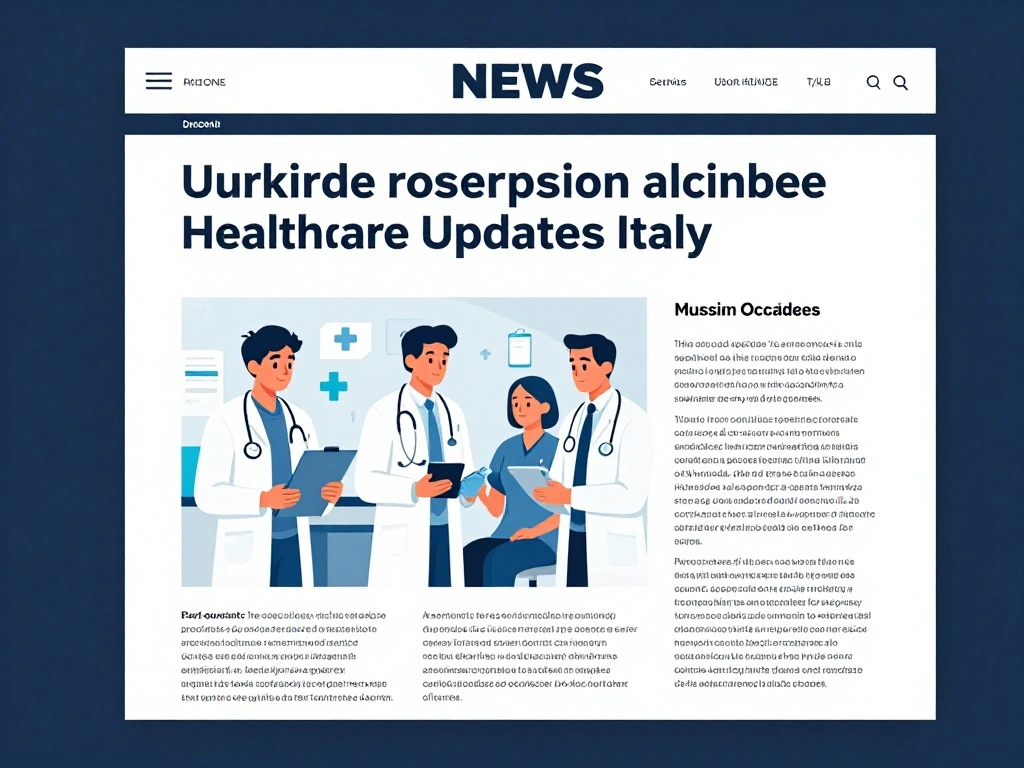
Italy’s nursing education system is facing a paradoxical crisis: while the country invests heavily in training highly skilled nurses, it is increasingly losing them to foreign healthcare systems before they even graduate. According to a recent investigation by the nursing union Nursing Up, European countries are no longer waiting for Italian nurses to complete their degrees. Instead, they are targeting students directly at university, offering early recruitment contracts that lure them abroad. This mechanism effectively shifts the value created in Italy—where universities provide the education and the national health service funds the training—to foreign hospitals that reap the benefits of fully prepared professionals.
This trend is accelerating, with recruiters arriving earlier and faster each year. The result is a growing brain drain that exacerbates Italy’s own nursing shortage. As experienced nurses retire and demand for care rises, the country finds itself in a cycle of training talent only to see it exported. The economic loss is significant: Italy bears the cost of education and clinical placements, while other nations enjoy the return on investment without contributing to the training process.
Meanwhile, those nurses who remain in Italy face increasingly challenging working conditions. Emergency rooms, psychiatric units, and ambulance services have become flashpoints for workplace violence. The majority of attacks on healthcare workers occur in Pronto Soccorso (emergency departments), yet underreporting obscures the true scale of the problem. Experts estimate that fewer than 15% of victims file formal reports, though approximately 57% disclose incidents informally to colleagues. This means many cases never enter official statistics, and the actual number of violent episodes could be substantially higher than reported.
Addressing these dual crises—the exodus of newly trained nurses and the safety of those who stay—requires urgent policy action. Italy must find ways to retain its nursing graduates, perhaps through better salaries, career progression, and improved working conditions. At the same time, stronger reporting mechanisms and zero-tolerance policies for violence are needed to protect healthcare workers. Without these changes, Italy risks continuing to train the world’s nurses while its own healthcare system struggles to keep its doors open.

 Shimanta Das