
Cessna Theft in Hungary: A Stir in US Media and the Rise of Digital Defense
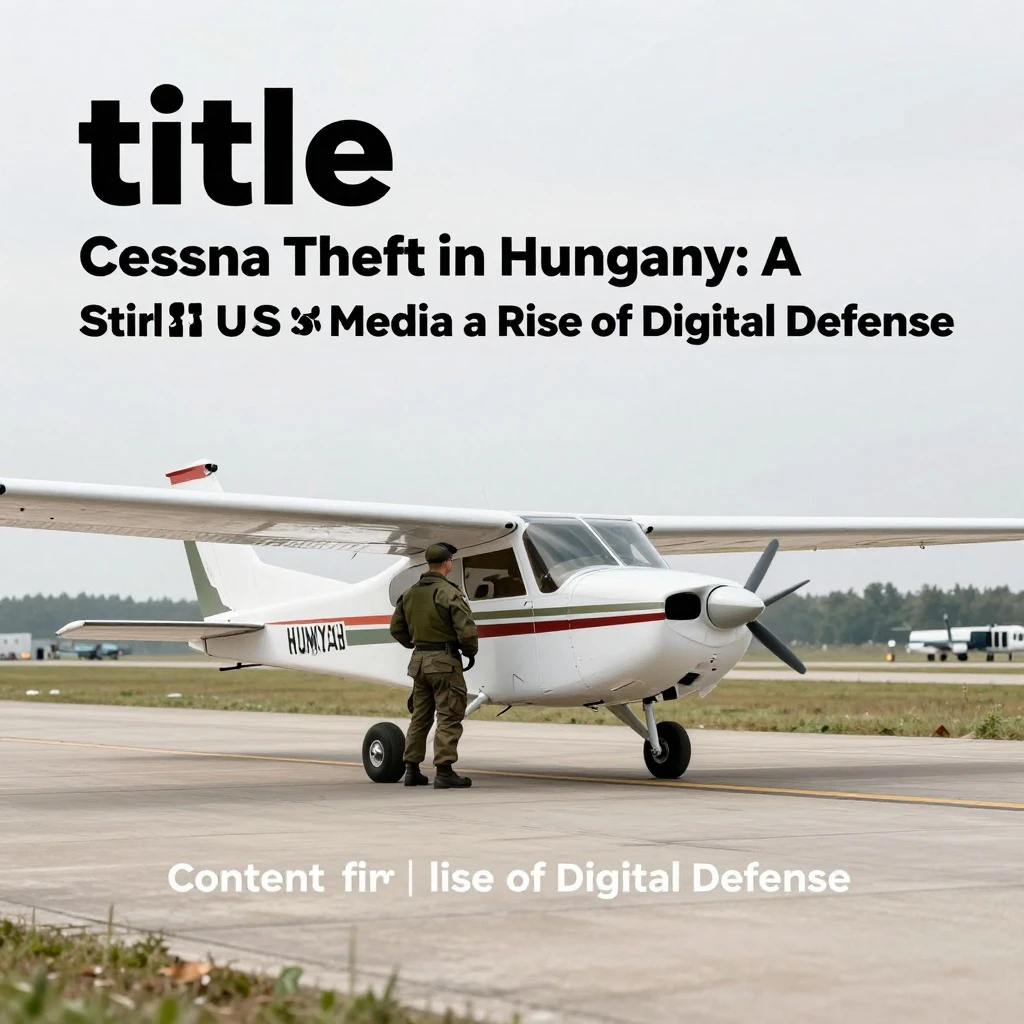
In a surprising turn of events, the theft of a Cessna aircraft in Hungary has captured the attention of United States news outlets, not just for the audacity of the crime but for the unexpected intersection with digital security concerns. While the physical theft of the aircraft is a serious breach of aviation security, the incident has inadvertently highlighted a growing threat in our interconnected world: the vulnerability of personal information. As authorities in Hungary scramble to locate the stolen plane, cybersecurity experts in the US are drawing parallels between physical security breaches and the silent, often more damaging theft of digital identities.
The incident, which saw a Cessna 172 vanish from a small airfield near Budapest, has been widely reported in US media, with many outlets focusing on the potential for such aircraft to be used in illicit activities. However, the story took an unexpected twist when it was revealed that the thieves might have used stolen personal data to bypass security protocols. This has sparked a broader conversation about the importance of personal information removal from data broker sites, which often sell sensitive details to anyone willing to pay. In the digital age, your identity is as valuable as any physical asset, and its compromise can lead to far-reaching consequences, including facilitating crimes like this theft.
In response to this growing threat, cybersecurity firms are emphasizing the need for proactive measures. Services that specialize in identity theft restoration are becoming increasingly vital, offering a safety net for those whose information has been compromised. Moreover, the incident underscores the necessity of removing personal information from websites that collect and sell it without consent. By minimizing your digital footprint, you reduce the risk of becoming a target for criminals who might use your identity to commit fraud or even enable physical crimes. The US news coverage of the Hungarian Cessna theft serves as a stark reminder that security is a multi-faceted issue, requiring vigilance both in the physical world and online.
As the search for the stolen Cessna continues, the story has evolved into a cautionary tale about the intersection of physical and digital security. It highlights the urgent need for individuals to take control of their online presence, utilizing tools and services that help scrub personal data from public databases. In an era where information is

 Shimanta Das