Fabio Grossi: Celebrating the Life and Legacy of a Roman Theater Icon
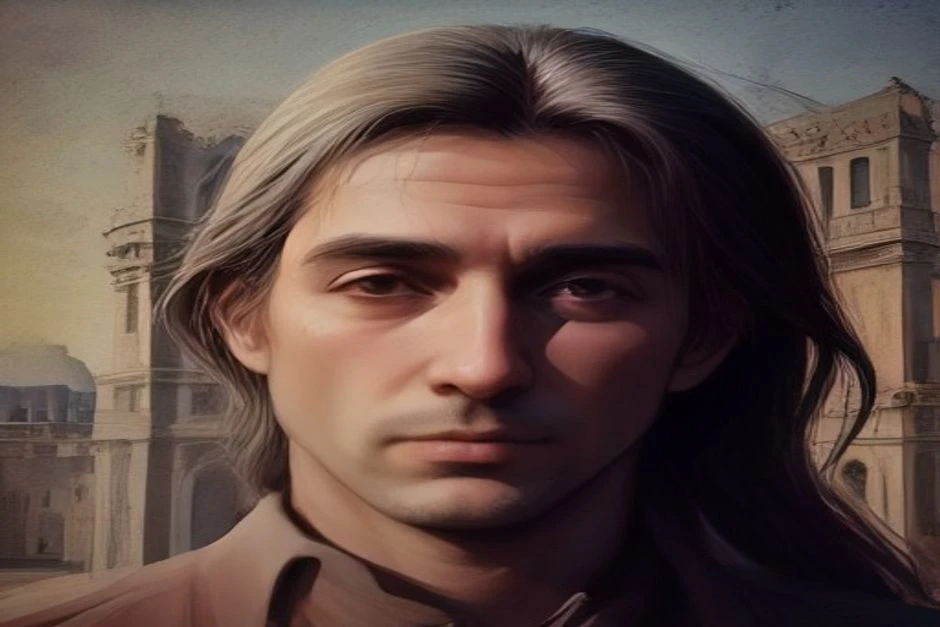
Fabio Grossi, a distinguished Italian actor and theater director, passed away at the age of 68, leaving behind a rich legacy that spanned over four decades. Born in Rome, Grossi’s journey in the arts began in 1977 with his debut in ‘L’uomo, la bestia e la virtù,’ directed by Edmo Fenoglio. His career flourished across theater, cinema, and television, but it was his profound artistic and personal partnership with Leo Gullotta that defined much of his life. The couple, who had been together for more than 40 years, entered into a civil union in 2019, a testament to their enduring bond.
Grossi’s artistic versatility was evident in his work on stage and screen. In 2014, he took part in the film ‘Più buio di mezzanotte’ directed by Sebastiano Riso, which was showcased at the Cannes Film Festival in the Semaine de la Critique section. This international recognition highlighted his ability to captivate audiences beyond the Italian borders. However, it was his collaboration with Leo Gullotta that became a hallmark of his career. Together, they created memorable performances that resonated with audiences, blending their talents seamlessly in numerous productions.
The news of Grossi’s passing initially circulated on social media before being confirmed by his family. His death marks the end of an era for Italian theater, where he was revered not only for his craft but also for his dedication to the art form. Grossi’s contributions extended beyond acting; as a director, he brought a unique vision to the stage, influencing a generation of performers. His work with Gullotta, both on and off the stage, was a shining example of artistic synergy and personal commitment.
Fabio Grossi’s legacy will undoubtedly endure through his body of work and the memories he created with colleagues and audiences alike. His life was a celebration of passion, creativity, and love, and he will be deeply missed. As we reflect on his remarkable journey, we honor a man who dedicated his life to the arts and left an indelible mark on Italian culture.
 Shimanta Das