Trump’s UK State Visit: Protests, Politics, and a Royal Farewell
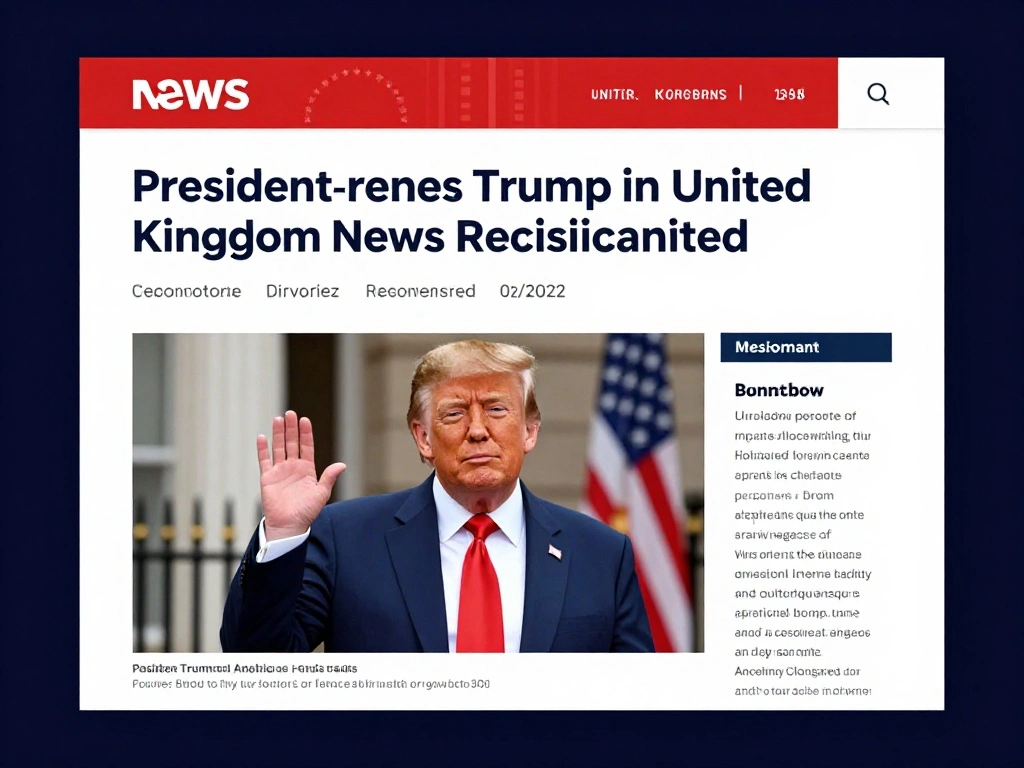
The recent state visit of President Donald Trump to the United Kingdom was marked by a blend of diplomatic ceremony and domestic political turmoil. As the President and First Lady Melania Trump concluded their two-day visit, boarding Air Force One on Thursday, the trip was overshadowed by events both at home and abroad. Notably, the visit coincided with a significant scandal in the UK: the dismissal of Peter Mandelson, the former British Ambassador to the US, over his ties to Jeffrey Epstein. This development, which occurred earlier in September, led to Prime Minister Keir Starmer removing Mandelson from his post, casting a shadow over the otherwise formal proceedings.
The visit also saw notable absences and protests. First Minister of Wales, Eluned Morgan, declined her invitation to the state banquet, choosing to remain in Wales to support her colleagues following the death of Hefin David. Meanwhile, the protest group Led By Donkeys, which had previously targeted Trump, projected a nine-minute video from a hotel room opposite Windsor Castle, focusing on Trump’s relationship with Epstein. The group reported that this was the first time any of its members had been arrested for a projection, with arrests described as “Orwellian” and “ridiculous” in a statement to The Guardian.
Despite the controversies, the visit proceeded with traditional pomp. The President and his key advisors, including Scott Bessent, Marco Rubio, Susie Wiles, James Blair, Steve Witkoff, and Stephen Miller, visited St. Paul’s Cathedral and toured an exhibition highlighting historical US-UK relations, featuring 18th-century watercolor paintings, transatlantic messages between Queen Victoria and President James Buchanan, and a 1930s hot dog picnic that a young Queen Elizabeth had written about. The state banquet at Windsor Castle was a highlight, with President Trump toasting alongside Catherine, Princess of Wales, and acknowledging the UK’s significant historical accomplishments.
As the Trumps departed, the visit underscored the complex dynamics of the special relationship, balancing ceremonial respect with underlying tensions. The protests and political scandals served as reminders that even the most formal of state visits occur within a broader context of public opinion and political reality. The images of the President toasting with the Princess of Wales will endure, but so too will the memories of
 Shimanta Das