Antarctic Blast Brings Snow to New Zealand, While Australia’s Ski Season Holds Strong
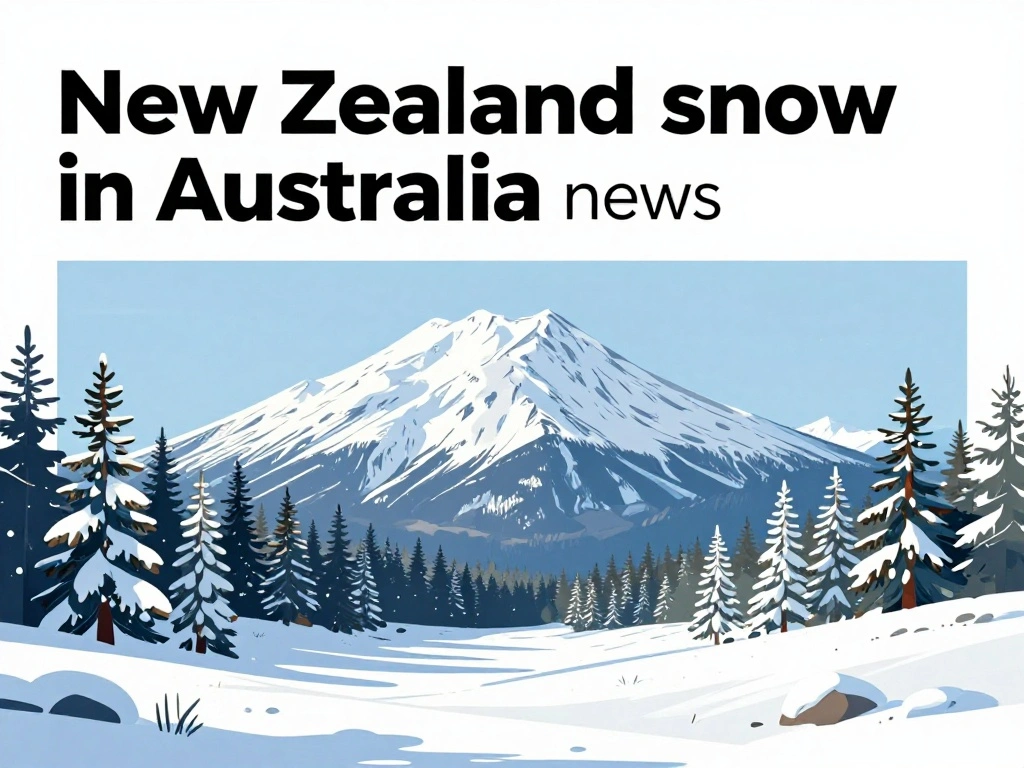
An Antarctic cold snap has gripped New Zealand, bringing the capital Wellington its first snowfall in 15 years and turning streets in the southern city of Dunedin into makeshift ski runs. The dramatic weather front moved in on Tuesday, with much of the country waking to freezing temperatures, frost, and biting winds. By Wednesday morning, three locations in the South Island had plunged to -9°C, a stark reminder that winter has truly arrived.
For Wellingtonians, the sight of snow was a rare treat, as the city’s last significant snowfall occurred in 2010. Residents embraced the novelty, building snowmen and sharing photos on social media. Meanwhile, in Dunedin, locals took advantage of the conditions by skiing and sledging down hilly streets, a spectacle that captured the nation’s attention. The cold snap has been a welcome change for ski enthusiasts, who have seen a slow start to the season but are now hopeful for more powder.
Across the Tasman, Australia’s ski resorts are also reporting impressive conditions. Perisher, in New South Wales, maintains the world’s deepest snowpack at 220cm (87 inches), while Victoria’s Mt Hotham and Falls Creek are offering excellent powder and spring snow, with bases of 154cm and 138cm respectively. Mt Buller remains open with patchier coverage, but still provides good skiing on its upper slopes. These figures highlight a robust season for Australian skiers, even as the Southern Hemisphere’s winter winds down.
In South America, Chile’s ski resorts are also performing well. Cerro Castor, near Ushuaia, stands out with 81% of terrain open, while Nevados de Chillán is 93% open with consistent quality. Portillo remains 91% open, offering excellent conditions for late-season skiing. As the Southern Hemisphere’s winter draws to a close, these snow reports confirm that despite a slow start, winter 2026 has delivered memorable snowfalls and exceptional skiing opportunities across the region.

 Shimanta Das