
Salad and Go Shuts Down All Locations: The End of a Fast-Casual Era
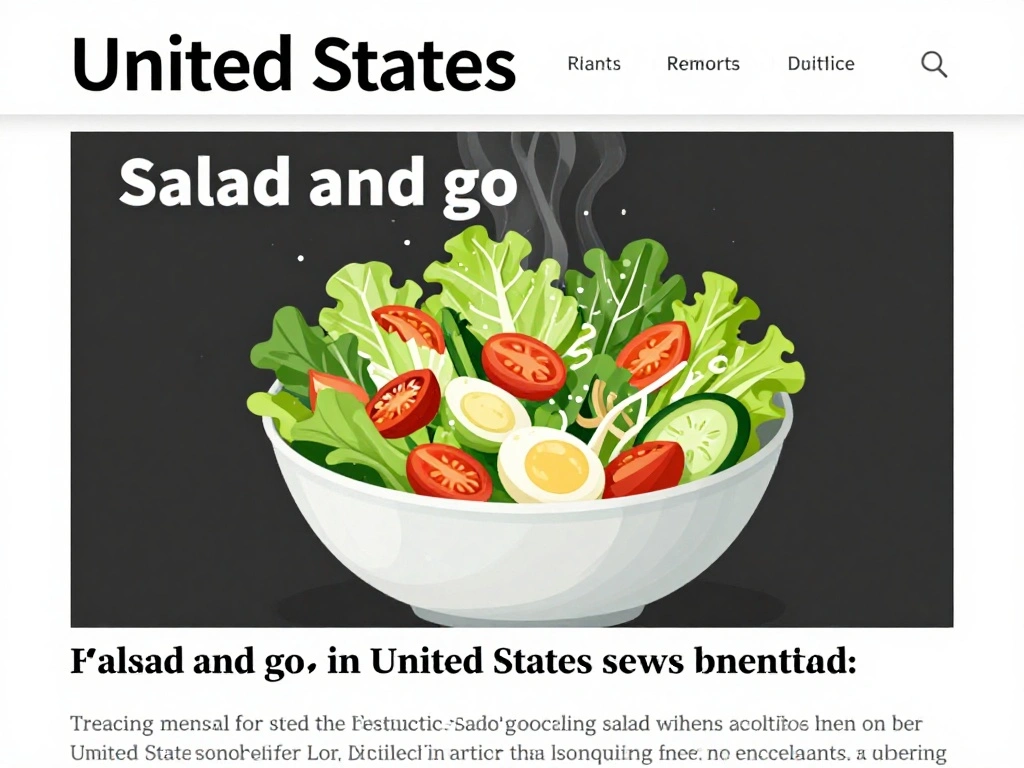
In a surprising turn of events, Salad and Go, the beloved fast-casual chain known for its affordable, made-to-order salads, wraps, and breakfast options, has announced the permanent closure of all its remaining locations. The company filed for Chapter 11 bankruptcy and revealed the news on Tuesday, marking the end of a brand that once promised quick, healthy meals for budget-conscious consumers. The announcement was made via a heartfelt Facebook post, where the company described the shutters as “bittersweet,” acknowledging the loyalty of its customers and the hard work of its employees.
The decision to close all stores comes after a series of challenges that ultimately proved insurmountable. According to company officials, rising costs, past growth challenges, and declining consumer demand were the primary factors behind the shutdown. The situation was further exacerbated by a recent industry-wide Cyclospora outbreak, which significantly dampened consumer confidence in fresh salad offerings. This combination of financial strain and public health concerns created a perfect storm that the chain could not weather.
The closure marks a dramatic fall for a company that once had ambitious expansion plans. After exiting certain markets in 2021, the chain attempted to consolidate its operations, but by January, it had already announced the closure of its remaining stores in Oklahoma and Texas. The final closure now affects all locations, leaving employees and customers in shock. In a statement, a former co-founder expressed heartbreak, saying, “Although we exited in 2021, watching the company announce the closing of its remaining locations is heartbreaking.”
For loyal fans, the news is a significant loss. Salad and Go had carved out a niche by offering quick, nutritious meals at prices that undercut many competitors. However, the fast-casual industry has become increasingly competitive, and the chain’s struggles highlight the broader challenges facing the sector. As the company winds down operations, it leaves behind a legacy of convenience and health-conscious dining, but also serves as a cautionary tale about the fragility of even the most promising business models in a rapidly changing market.
 Shimanta Das