El Niño 2026: Germany Braces for Global Weather Shifts
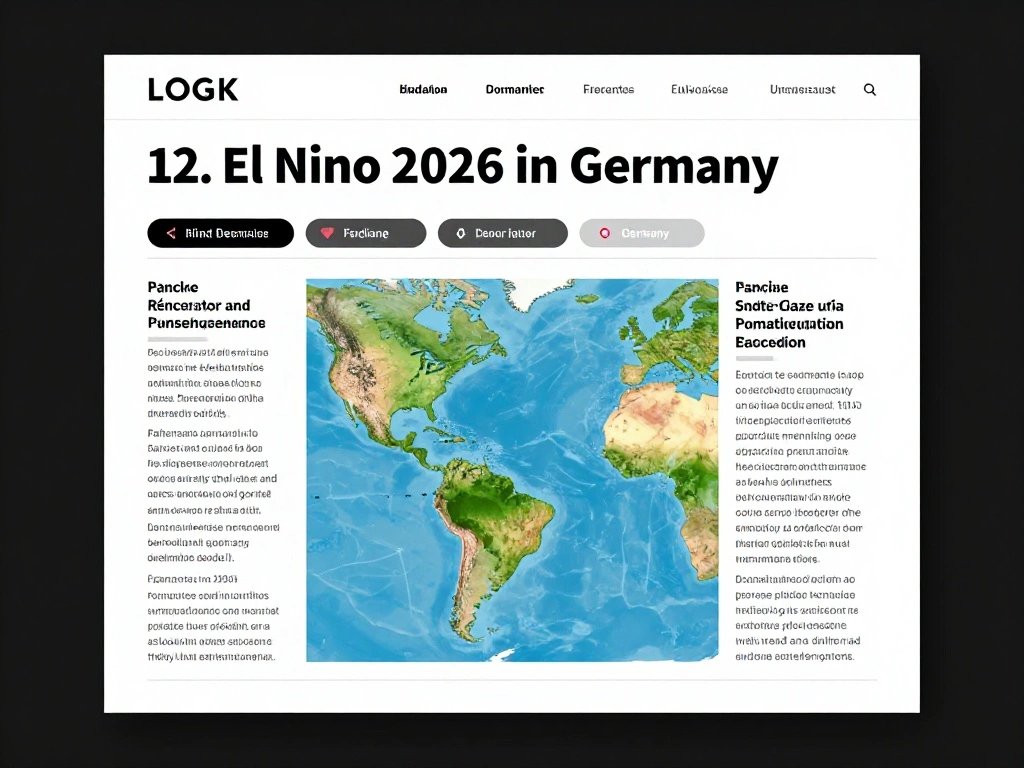
As the world watches the tropical Pacific, the US climate authority NOAA has officially confirmed the development of El Niño, with a 63% probability that it will intensify into a ‘super’ or ‘mega’ El Niño. This natural climate phenomenon, characterized by unusually warm surface waters in the central and eastern Pacific, is set to disrupt weather patterns globally, and Germany is no exception. While the most severe impacts are typically felt in the Southern Hemisphere, the ripple effects will be felt across Europe, including shifts in temperature and precipitation.
For Germany, the arrival of a strong El Niño could mean a winter that is milder and wetter than usual, particularly in the north and west. Historical data suggests that El Niño events often lead to stormier conditions in Northern Europe, with increased rainfall and potential flooding. Conversely, southern Germany might experience drier conditions, impacting agriculture and water resources. The German Weather Service (DWD) is closely monitoring the situation, as the phenomenon could also influence the jet stream, leading to prolonged weather patterns that might bring cold snaps or heatwaves depending on the season.
Beyond immediate weather, the economic and environmental implications are significant. Farmers may need to adapt their planting schedules, while energy providers must prepare for fluctuating demand. Moreover, the potential for extreme weather events, such as heavy storms or prolonged droughts, underscores the need for robust infrastructure and disaster preparedness. The NOAA’s warning serves as a reminder that even distant climate phenomena can have far-reaching consequences, and Germany must remain vigilant in its climate adaptation strategies.
As we look ahead to 2026, the development of El Niño is a critical factor in global climate dynamics. While it is a natural occurrence, its intensity and impacts are influenced by climate change, making monitoring and prediction more crucial than ever. For Germany, staying informed and prepared is key to mitigating the risks and capitalizing on any opportunities that may arise from these global weather shifts.
 Shimanta Das