Giuseppe Valditara in Italy News: A Minister at the Center of Educational and Political Debates
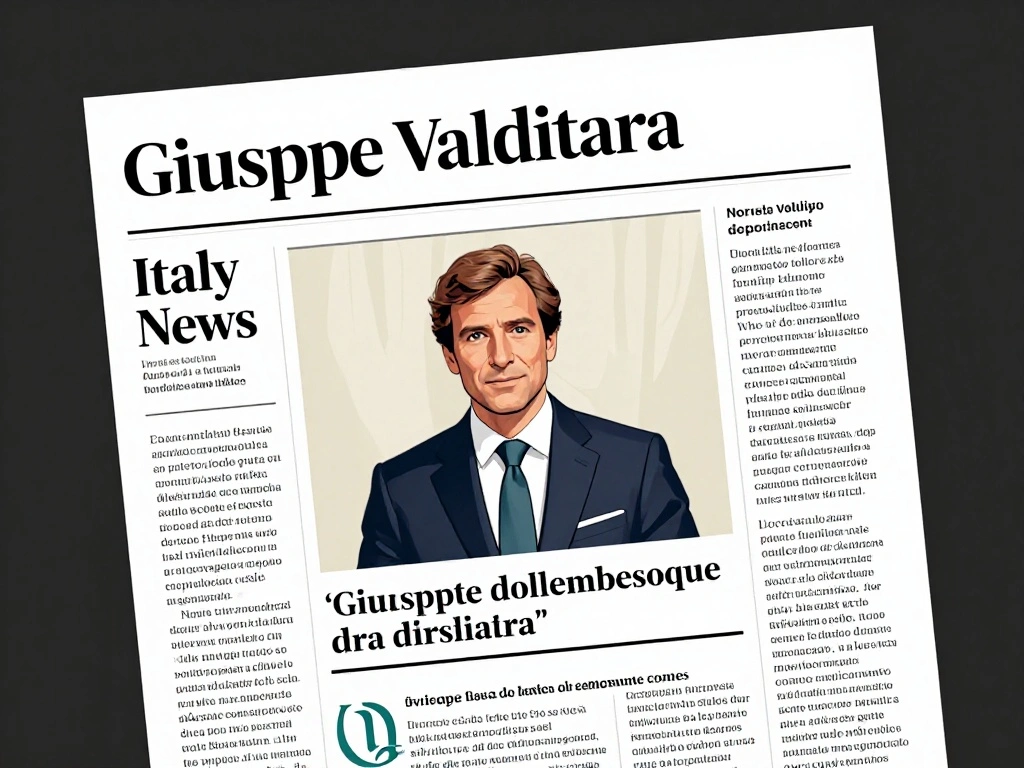
Giuseppe Valditara, Italy’s Minister of Education, has consistently made headlines in 2026, positioning himself as a polarizing figure in the country’s educational and political landscape. From defending controversial student banners to implementing new school guidelines, his actions have sparked both praise and criticism. Valditara’s recent defense of a banner reading “L’Italia agli italiani” (Italy for Italians) at a high school in Cesena exemplifies his alignment with the current government’s rhetoric. He stated that the phrase is “condivisibile” (shareable) and has been repeated by political movements within the ruling coalition, emphasizing a focus on national identity in schools.
Beyond cultural debates, Valditara has taken concrete steps to reshape education policy. He proposed a ban on burqas in schools and mandatory Italian courses for foreign parents, arguing that these measures reinforce integration and shared values. Additionally, his new guidelines, titled “Identità e innovazione” (Identity and Innovation), aim to modernize the curriculum while strengthening national identity. These initiatives have drawn sharp reactions, with critics accusing him of promoting exclusionary policies, while supporters applaud his commitment to traditional values.
Valditara has also been proactive in addressing systemic issues. He celebrated a historic drop in school dropout rates, now below the European average for the first time, and announced a plan to combat teacher precarity by covering vacant positions nationwide. In April, he hailed a salary increase for professors as a “risultato storico” (historic result), following the approval of a new contract for the education and research sector. These achievements have been central to his narrative of progress under his leadership.
However, his tenure has not been without controversy. In June, he faced backlash for sending inspectors to a school in Cesena after students were sanctioned for a banner, and he was criticized for calling protesters “squadristi” (fascist squads). During a 25 April parade in Naples, an effigy of him was hung upside down, reflecting the intense polarization he evokes. Despite this, Valditara remains steadfast, recently stating, “With us in government, indoctrination at school is no longer tolerated,” underscoring his commitment to a conservative educational agenda that continues to dominate Italian news cycles.

 Shimanta Das