Understanding Flood Watch Alerts: Your Guide to NWS Warnings and Safety
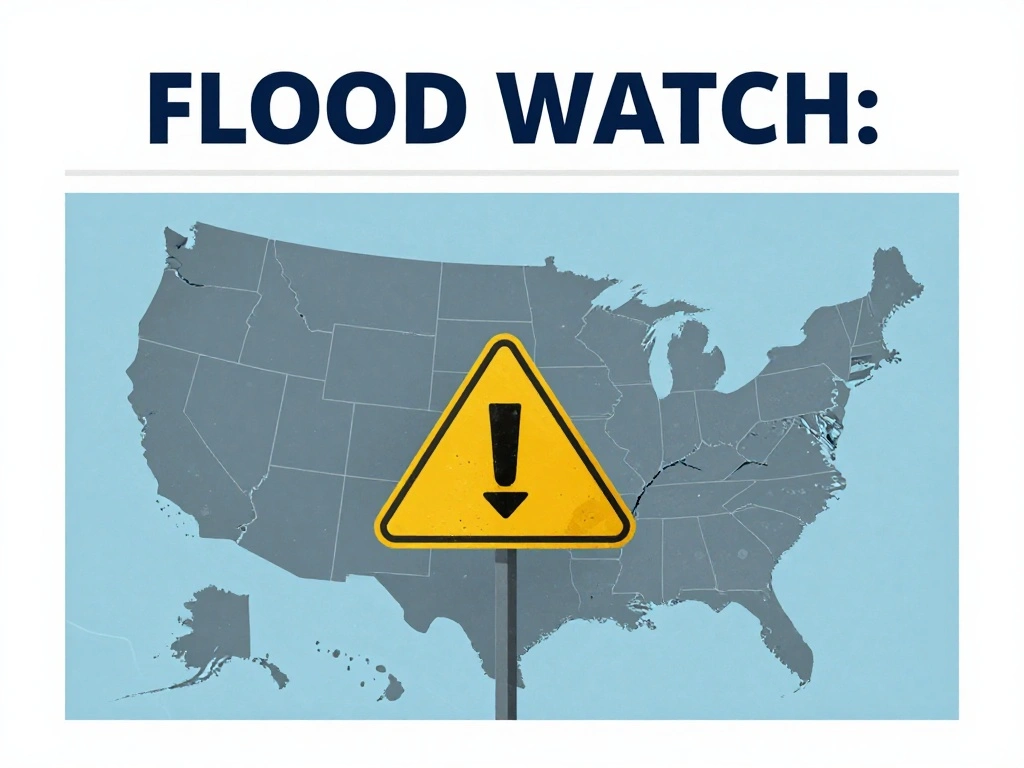
Flood watch alerts are critical notifications issued by the National Weather Service (NWS) to warn the public about potential flooding hazards. These alerts are part of a comprehensive system that includes Flash Flood Warnings, Flood Warnings, and River Flood Warnings, all derived from the official NWS active alerts feed. The system focuses on the most severe flood risks, such as Flood Emergencies, ensuring that communities receive timely and accurate information. By entering your city, state, or ZIP code on the NWS website, you can access localized alerts and stay informed about imminent threats.nnFlash Flood Watches and Warnings are issued by various NWS Weather Forecast Offices across the United States, including locations like Albuquerque (ABQ), Wakefield (AKQ), Albany (ALY), and many others. These offices monitor weather patterns and issue alerts when conditions are favorable for flash flooding or when flooding is imminent or occurring. For example, areas of extreme heat and excessive rainfall potential are closely watched, as they can rapidly escalate into dangerous flood situations. The NWS also provides a loading indicator to ensure users know when data is being retrieved, emphasizing the real-time nature of these alerts.nnTo stay safe during flood events, it is essential to understand the difference between a watch and a warning. A Flood Watch means conditions are favorable for flooding, while a Flood Warning indicates that flooding is already happening or will occur soon. Similarly, a Flash Flood Watch alerts you to the possibility of rapid flooding, whereas a Flash Flood Warning requires immediate action. The NWS website allows you to view specific products for each office, such as the Flash Flood Warning or Flash Flood Watch, by clicking on the respective site identifier. This granularity helps residents in different regions receive tailored information.nnIn conclusion, flood watch alerts are a vital tool for public safety, providing early warnings that can save lives and property. By leveraging the NWS active alerts feed and understanding the various warning levels, individuals can make informed decisions during severe weather events. Always remember to check your local forecast, heed official warnings, and have an emergency plan in place. Stay informed, stay safe,

 Shimanta Das