
Mamdani’s Plan to Close Rikers by 2032
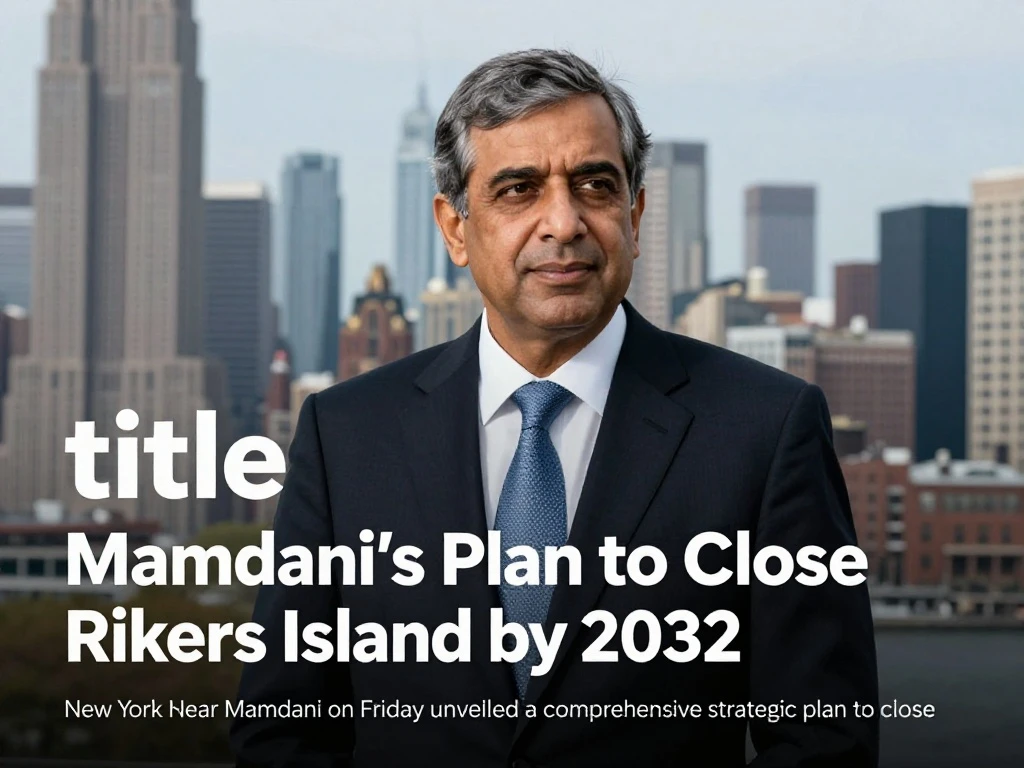
New York Mayor Mamdani on Friday unveiled a comprehensive strategic plan to close the notorious Rikers Island jail complex by 2032, citing court delays that detain people “for years in what is essentially legal purgatory.” The announcement, made at a news conference, marks a significant step toward fulfilling a long-promised closure that has eluded previous administrations. Rikers remains under federal oversight after a judge cited “abnormal and unacceptable” conditions and appointed an outside manager to restore order.
For the Black and brown New Yorkers who have made up the vast majority of people held on Rikers for decades, the promise of closing it has been made before. Mamdani acknowledged this history, but insisted his plan is different. “We are not just talking about closing a jail; we are talking about closing a chapter of neglect and dysfunction,” he said. The plan, which EL PAÍS reviewed on Thursday before it was made public, identifies four main priorities to carry out the promised closure.
Four Borough-Based Jails by End of 2032 form the cornerstone of the plan. These new facilities will be located closer to public transportation, courts, and the communities where incarcerated New Yorkers live. “Traveling to Rikers Island can take several hours and consume an entire day,” the plan notes, highlighting the burden on families and legal teams. The borough-based jails will make it easier for people to maintain relationships with family, access legal counsel, and receive support, all of which can lead to more stable and safe outcomes post-incarceration.
The Mamdani administration has already taken significant steps toward closing Rikers and improving conditions across the correctional system. The plan includes investments to respond to significant demand for existing programs, developed in coordination with the Remediation Manager. “The goal is to help people stabilize in their communities, remain close to their families and maintain employment and help reduce recidivism,” the plan states. This holistic approach recognizes that true public safety requires more than just incarceration.
Court delays have been a persistent problem, leaving

 Shimanta Das