Antarctic Ozone Hole Grows to Largest in a Decade, But Recovery Still on Track
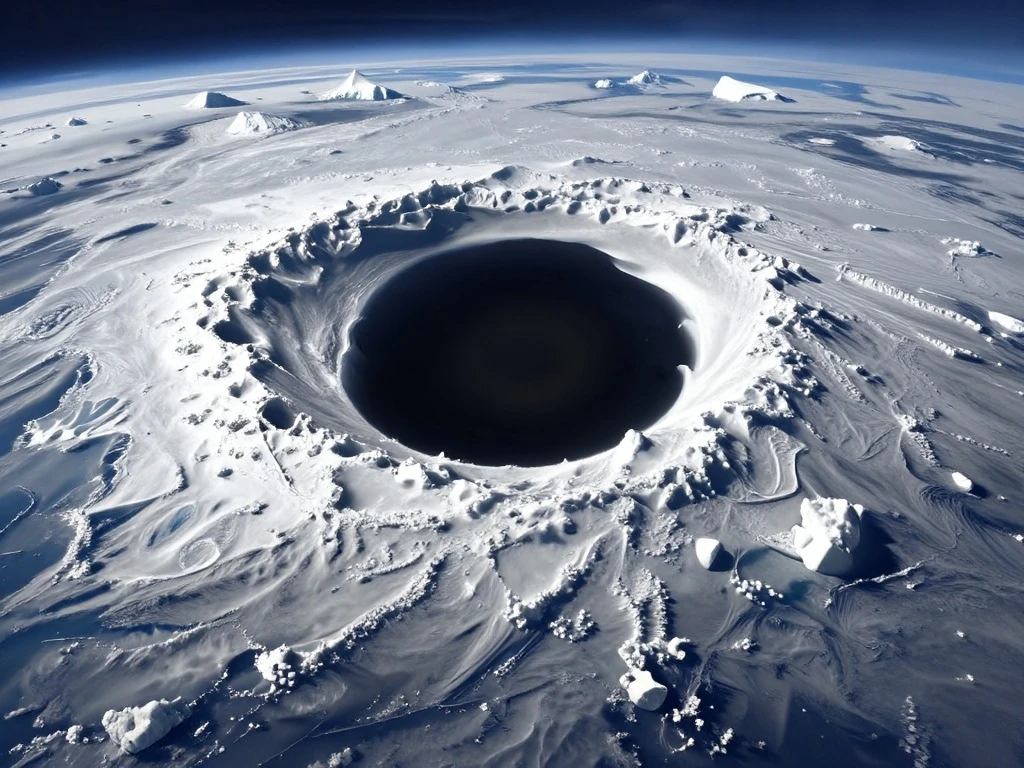
The Antarctic ozone hole expanded to its largest size in a decade this year, covering an average of about 9 million square miles during the main depletion period from September 7 to October 13. The event ranked high on measures of overall area but remained below the worst historical readings, according to NASA and NOAA. The primary driver was an unusually powerful polar vortex—a seasonal stream of wind encircling Antarctica that corrals frigid air and fosters the formation of polar stratospheric clouds, which play a key role in ozone destruction.
Despite the significant size jump, scientists stress that the long-term recovery of the ozone layer remains on track. Had ozone-depleting substances remained at their 2000 concentration levels, the 2026 hole would have been roughly 1 to 2 million square miles larger than it actually was. This stark difference underscores the effectiveness of international efforts to limit chlorofluorocarbons (CFCs) and other ozone-depleting compounds, once widely used in aerosol sprays, foams, air conditioners, and refrigerators. The Montreal Protocol and subsequent amendments have led to a steady decline in these chemicals in the atmosphere.
Full restoration of the Antarctic ozone layer is projected around the 2070s, as the longest-lived depleting compounds gradually break down. While this year’s event serves as a reminder that natural variability can still produce large ozone holes, experts emphasize that the overall trend is positive. NOAA and NASA scientists emphasize that efforts to limit ozone-depleting chemical compounds have had a significant impact and long-term recovery remains on track. The 2026 hole’s size, though notable, does not signal a reversal in the recovery process.
In summary, the larger ozone hole this year is largely a result of a strong polar vortex, not a failure of ozone protection measures. The continued decline in ozone-depleting substances is expected to gradually shrink the hole in the coming decades. As the longest-lived compounds break down, the ozone layer is poised to recover fully by the 2070s, barring unforeseen changes. This year’s event highlights the importance of sustained vigilance and the success of global cooperation in safeguarding the ozone layer.

 Shimanta Das