Gas Prices Hit $4.26 a Gallon: How Global Conflicts Are Fueling Pain at the Pump
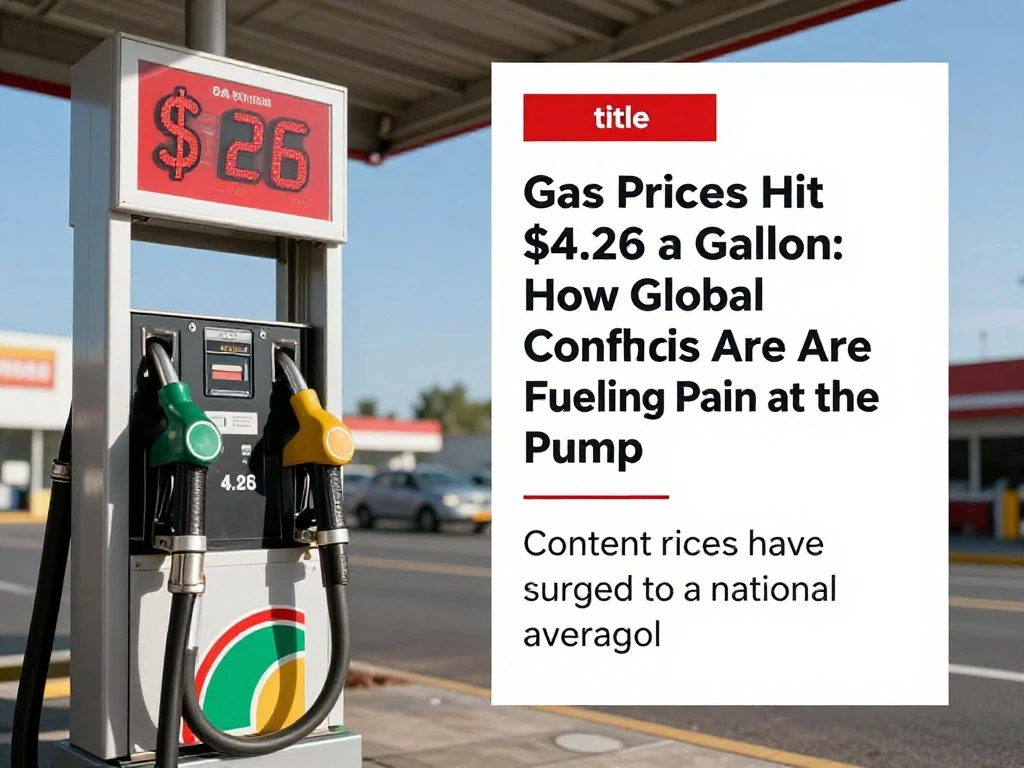
Gas prices have surged to a national average of $4.26 a gallon, driven by a confluence of global conflicts and supply chain disruptions. The ongoing Iran-Israel tensions and the Russia-Ukraine war have crimped global oil supply, creating a volatile market that experts warn could see further increases. According to Fatih Birol, head of the International Energy Agency, the global economy faces a “major, major threat” from these crises, and no country would be “immune to the effects if this continues to go in this direction.” The situation is particularly acute for diesel, which is essential for transporting food and other goods around the U.S. and is widely used in trucking, rail, construction, and other critical commercial activities. Reducing diesel consumption is harder than gasoline, making any price spike especially painful for the broader economy.nnSeveral specific events have exacerbated the price surge. Recent Houthi attacks in the Red Sea and the shutdown of a key oil pipeline in Saudi Arabia have been “particularly impactful,” according to industry analysts. These disruptions come on top of the oil shock set off by the Israeli war on Iran, which spiked fuel costs globally. Crude oil, the main ingredient in auto fuel, accounts for more than half of the price paid at the pump, according to federal data, so any geopolitical flare-up quickly translates to higher prices for consumers. The situation is further complicated by reports that former President Trump told aides he would be willing to end the war even if the Strait of Hormuz remains closed—a move that could have unpredictable effects on oil flows. Trump also eased sanctions on Russian oil and suspended a key regulation of domestic oil transport, actions that may have been intended to stabilize prices but have yet to provide significant relief.nnWhile the national average of $4.26 a gallon is still below the $4.50 mark that would cause more severe economic pain, it remains a burden for households and businesses alike. The diesel price is particularly concerning because it feeds into the cost of nearly everything, from groceries to construction materials. As Birol noted, the likelihood of further

 Shimanta Das