
Glasgow 2026: Australia’s Dominance and Historic Firsts Define Commonwealth Games
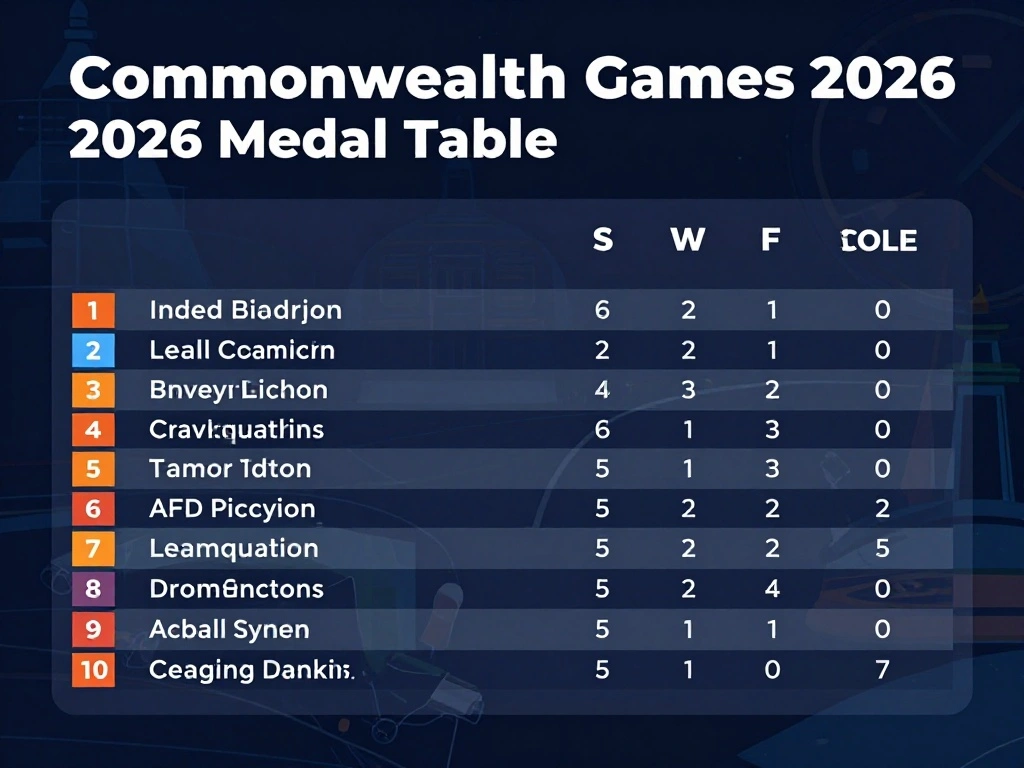
The 23rd Commonwealth Games in Glasgow have concluded, leaving a trail of remarkable achievements and historic milestones. Over ten days of intense competition, 215 gold medals were awarded across 10 sports, with 74 nations vying for glory. The medal table tells a story of Australian supremacy, but also of breakthrough moments for smaller nations, making this edition one for the history books.
Australia have once again asserted their dominance, topping the medal table with a staggering 70 golds and 171 medals overall. Their gold haul alone surpassed the combined total of England, Scotland, Wales, and Northern Ireland by 16 medals. Swimmer Meg Harris emerged as the most successful athlete of the Games, epitomizing Australia’s strength in the pool. England secured second place with 29 golds, followed by Canada and India, while hosts Scotland impressed with 13 golds to finish fifth. Wales and Northern Ireland also contributed to the medal tally, with Wales’ Emma Finucane shining with four golds.
Beyond the traditional powerhouses, the Games delivered a moment of pure inspiration when Rwanda claimed their first-ever Commonwealth Games medal. Florence Niyonkuru’s bronze in the women’s 10,000 metres was a historic triumph, symbolizing the growth of sport in emerging nations. This achievement underscores the Commonwealth Games’ role as a platform for global sporting development.
As the dust settles on Glasgow 2026, the focus now shifts to the future. With sports like artistic gymnastics, boxing, judo, and netball still to come in the remaining four disciplines, the competitive spirit is far from over. The performances in Glasgow have set the stage for even greater rivalries, and the medal table serves as a testament to the enduring power of athletic excellence and the unifying spirit of the Commonwealth.

 Shimanta Das