Iran Conflict Drives Energy Prices Up, Trump Announces Attack Cancellation Amid Peace Talks
The escalating conflict between Iran and Israel has sent shockwaves through global energy markets, with energy prices spiking last week following Iran’s retaliatory strike on Qatar’s Ras Laffan Industrial City. This facility, which processes roughly a fifth of the world’s liquefied natural gas, suffered damage that experts say will take years to repair. The resulting supply disruption has fueled inflation, hitting consumers and businesses hard, and poses a significant political challenge for President Trump as he seeks to justify the war to the American public ahead of November elections where control of Congress is at stake.
Amid these economic pressures, United Airlines CEO Scott Kirby announced a 5% reduction in flights, citing expectations of sustained high oil prices. Kirby noted that while demand remains strong, the airline must adapt to a volatile fuel market. This move highlights the broader impact of the conflict on American industries and everyday life, as rising gas prices strain household budgets and corporate bottom lines.
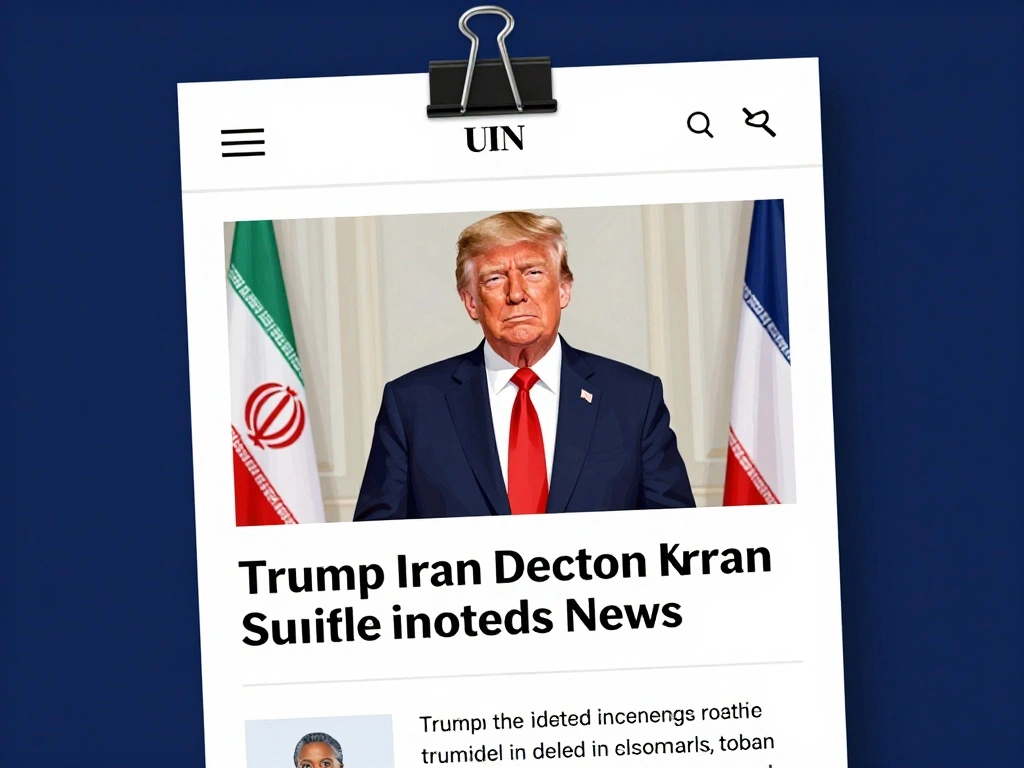
In a dramatic development, President Trump announced on Saturday that the United States has agreed to “cancel the attack” on Iran, signaling that a peace deal to end the war could be imminent. In a Truth Social post, Trump stated, “We have just been asked by Iran, and other Middle Eastern Countries, to hold off any attack in that the perimeters [sic] of a deal has been agreed to.” This announcement came after the State Department issued a fresh travel warning for Americans in the Middle East, urging them to consider departing immediately, reflecting the region’s heightened tensions.
The potential de-escalation offers a glimmer of hope for stabilizing energy markets and easing inflationary pressures. However, the damage to critical infrastructure and the lingering uncertainty mean that energy prices are likely to remain elevated in the near term. As the situation evolves, the Trump administration faces the delicate task of balancing national security interests with domestic economic stability, all while navigating a complex geopolitical landscape.

 Shimanta Das