Hurricane Isaias Strengthens to Category 3 as Gulf Coast Braces for Dangerous Winds, Flooding, and Tornadoes
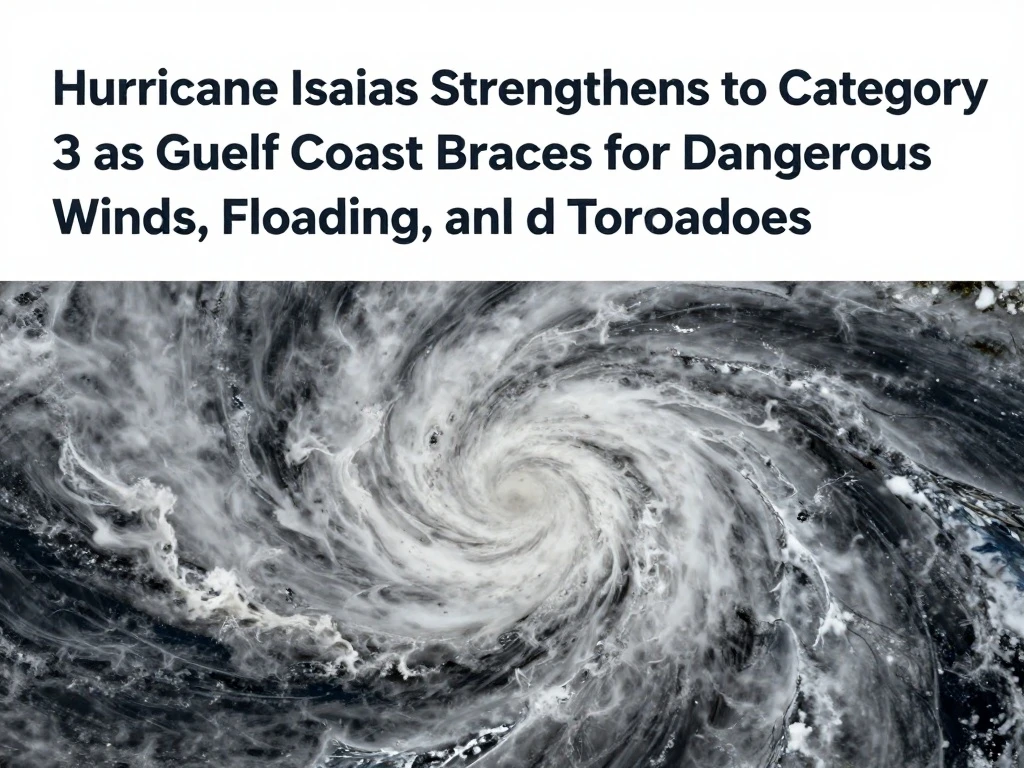
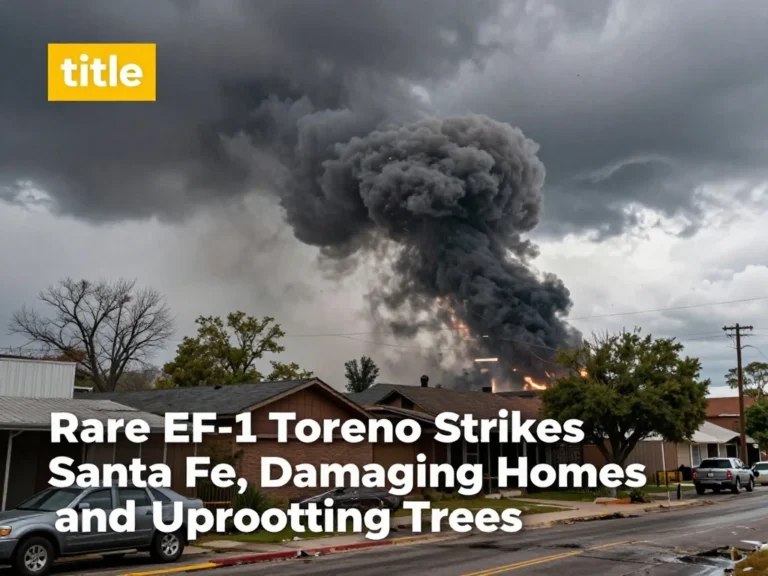
Hurricane Isaias intensified into a major Category 3 hurricane Friday morning, packing sustained winds of 110 mph (175 kph) as it churned toward the northern Gulf Coast. The National Hurricane Center (NHC) warned that Isaias is likely to become a major hurricane later today, threatening parts of Mississippi, Alabama, and Florida with dangerous storm surge, hurricane-force winds, flooding rainfall, and possible tornadoes. “Slight weakening is expected before landfall, but it is expected to remain a dangerous hurricane,” the NHC added, urging residents to complete preparations immediately.
nn
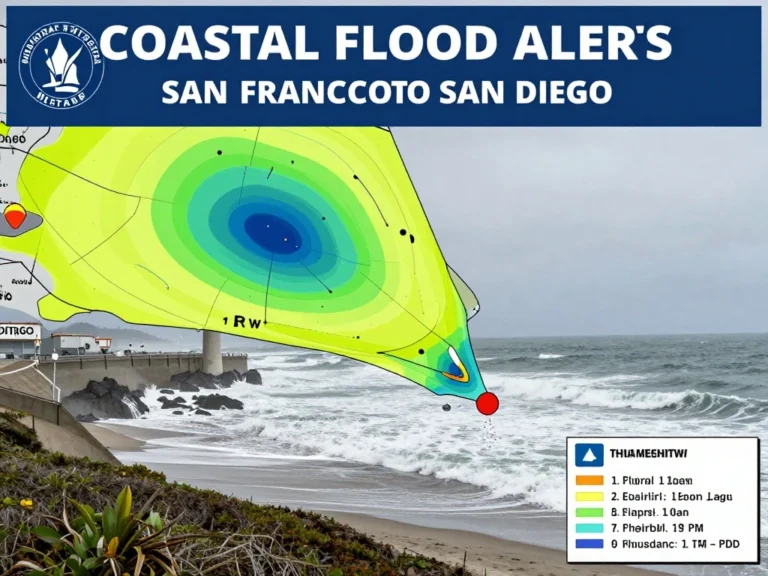
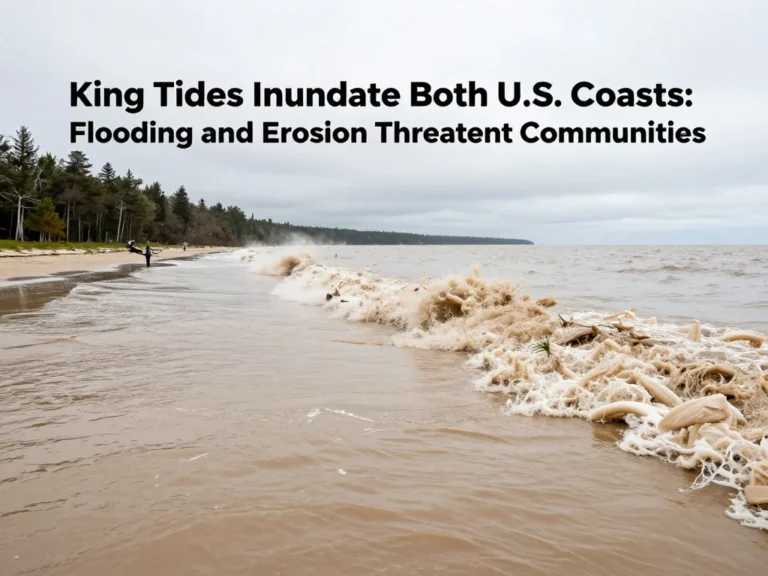
Storm surge is one of the most significant threats from Isaias. Forecasters predict surge heights could reach 9 feet along parts of Florida’s Gulf Coast, capable of causing life-threatening inundation. The exact landfall location remains uncertain: there is a small chance the storm could hit further west and have a major impact on Mobile, Alabama, or further east and strongly affect the Florida cities of Pensacola and Destin. Regardless of the precise track, the NHC emphasizes that Isaias will remain a dangerous hurricane as it reaches the coast, with impacts extending far from the center.
nn
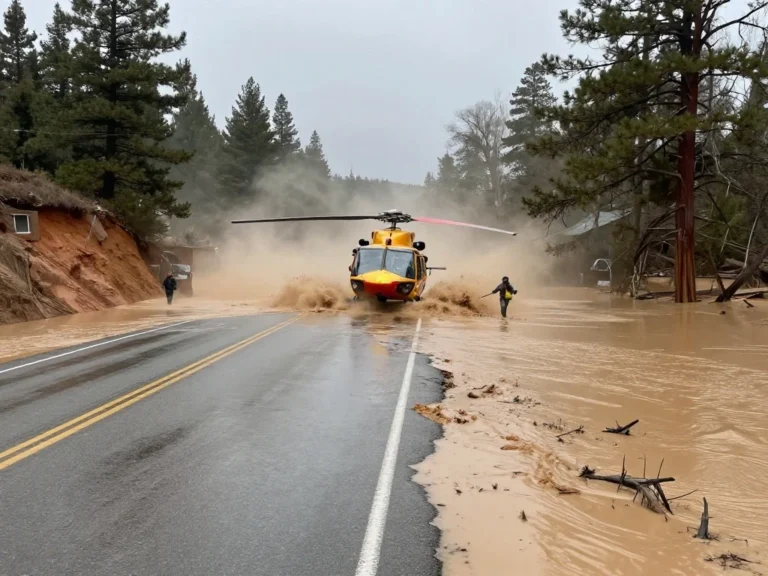
In addition to the surge and wind, heavy rainfall is expected to cause widespread flooding. Across much of the remainder of the Southeast, rainfall totals of 2 to 5 inches are forecast, with isolated higher amounts. River flooding is also expected, and some flooding could be significant. The combination of saturated ground and additional heavy rain will exacerbate flood risks well inland, potentially affecting communities far from the immediate coastline. Tornadoes are also possible, particularly in the outer rainbands, adding to the multi-hazard threat.
nn
Ahead of the storm, oil and gas producers have already shut down a significant share of offshore production in the Gulf of Mexico, which accounts for almost 15% of crude pumped annually in the U.S. The disruption highlights the far-reaching economic impact of the storm, even before landfall. Tourism along the Gulf Coast has also been affected as visitors evacuate and businesses board up. Authorities

 Shimanta Das