Germany’s Evolving Role in the Ukraine Conflict: From Aid to Arms Production
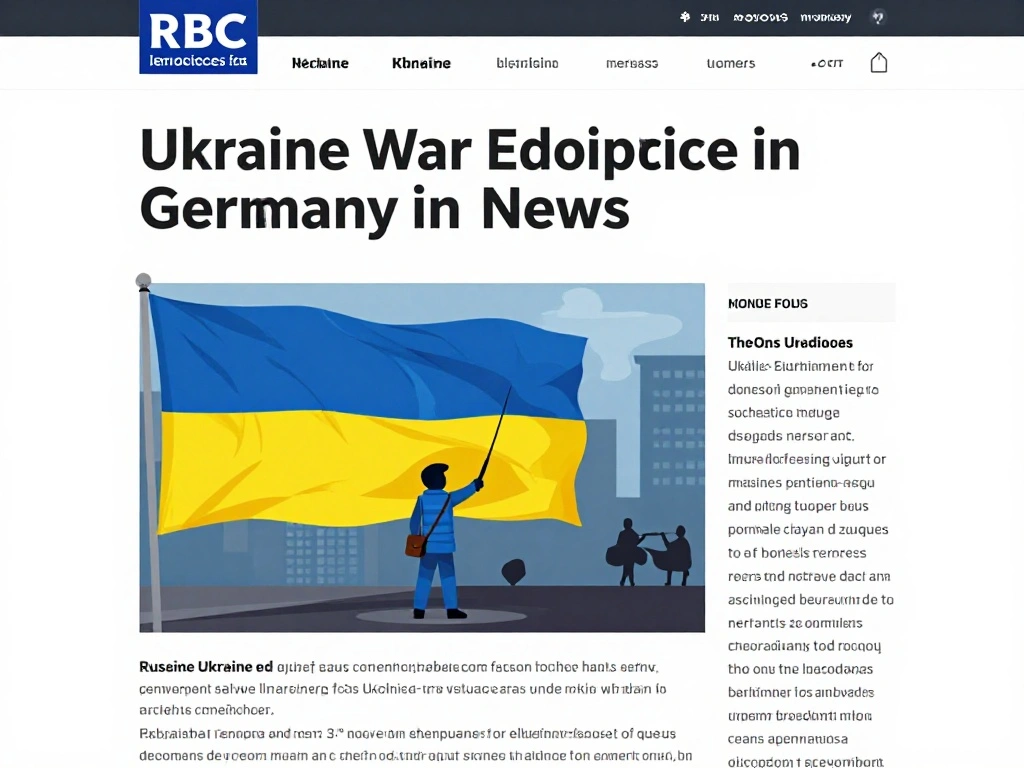
Germany has emerged as a pivotal player in the ongoing Russia-Ukraine war, with recent developments highlighting its expanding role in military aid and defense production. As of July 2026, Germany has committed approximately €23 billion in aid to Ukraine, a figure agreed upon at the NATO summit. This financial support underscores Berlin’s determination to bolster Kyiv’s defense capabilities. Notably, Ukraine remains Germany’s top arms customer, with arms exports to the country reaching $15.9 billion in the first half of 2026 alone. This includes a significant allocation for 50,000 Shrike FPV drones, financed by Germany, which are expected to enhance Ukraine’s strike capabilities on the battlefield.nnBeyond financial aid, Germany is increasingly involved in the co-production of advanced weaponry. A landmark agreement between Germany and Ukraine will see the joint production of the Bars jet-powered drone, a long-range strike weapon that has already been used in attacks on Moscow. This collaboration marks a shift from mere procurement to strategic defense industrial integration. Additionally, Germany is exploring the localization of Patriot missile production, potentially turning the country into a manufacturing hub for these critical air defense systems. Such moves not only strengthen Ukraine’s immediate defense but also solidify Germany’s long-term commitment to European security.nnThe human cost of the conflict remains stark, as evidenced by recent Russian missile attacks on Kyiv that killed at least ten people and injured many more. These attacks, which have been ongoing, highlight the urgent need for continued international support. German media, including ZDF, have been providing continuous coverage, ensuring that the public remains informed about the realities of the war. The attacks also underscore the importance of Germany’s military aid, which includes advanced systems like the Leopard 2 tanks, whose performance in Ukraine is being closely studied by German units for future tactical adaptations.nnLooking ahead, Germany’s role is set to expand further. The country is considering the deployment of long-range cruise missiles, including Tomahawks, and is pushing for local production to ensure a steady supply. Chancellor Merz has been vocal in asserting that Russia has no chance of winning the war, a stance that aligns with Germany’s increased defense spending and strategic partnerships. However, challenges remain, such as the pressure on Ukrainian men in Germany to return for military service, reflecting the broader manpower shortages Kyiv faces. As Germany navigates these
 Shimanta Das