Germany Braces for Severe Thunderstorms and Record-Breaking Heatwave
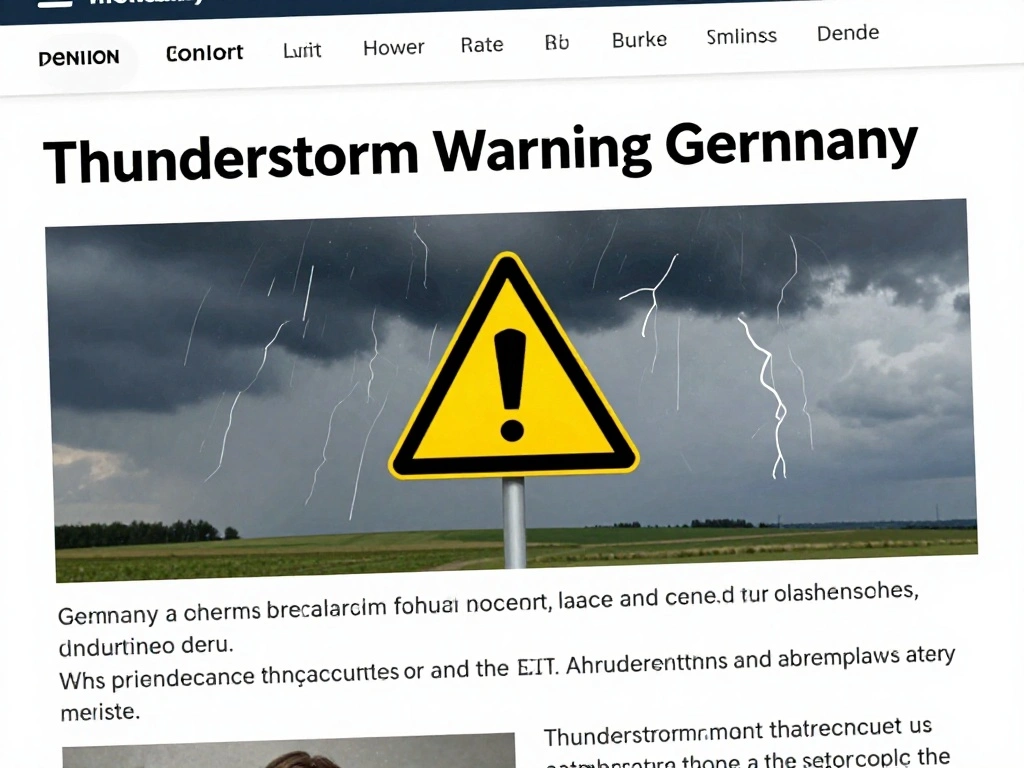
Germany is currently on high alert as the German Weather Service (DWD) issues severe weather warnings across multiple districts. The warnings, which range from level 1 (weather warnings) to level 4 (extreme severe weather), are being updated continuously to reflect the rapidly changing conditions. In the district of Ludwigslust-Parchim in Mecklenburg-Vorpommern, residents have already experienced hailstones the size of tennis balls, causing significant disruption and highlighting the intensity of the current thunderstorms.
The DWD’s interactive warning map provides real-time information for each district, allowing residents to stay informed about the specific risks in their area. The map color-codes districts based on the severity of the warnings, with red indicating extreme severe weather, orange for severe weather, yellow for significant weather, and green for no warnings. This system is part of a broader network of over 80 official agencies worldwide that provide data to meteoblue, which aggregates and displays the warnings. It is important to note that meteoblue does not bear any responsibility for the content or nature of the warnings, and any issues can be reported through their feedback form.
While the immediate threat is from thunderstorms, the DWD also warns of an impending heatwave that could push temperatures close to 40 degrees Celsius. This extreme heat is expected to be driven by a stable high-pressure system and dry soil conditions, which could potentially challenge national temperature records. The combination of severe thunderstorms and a subsequent heatwave poses significant challenges for public safety, agriculture, and infrastructure.
Residents are advised to monitor the DWD’s warnings closely and take necessary precautions. For thunderstorms, this includes seeking shelter indoors, avoiding open fields and tall trees, and securing loose objects. For the heatwave, it is crucial to stay hydrated, avoid strenuous outdoor activities during peak hours, and check on vulnerable individuals such as the elderly and young children. The DWD will continue to provide updates, and the public is encouraged to stay informed through official channels.

 Shimanta Das