CNN, MS NOW, and Politico Sue Trump Over White House Access Ban, Alleging ‘Direct Assault’ on Free Speech
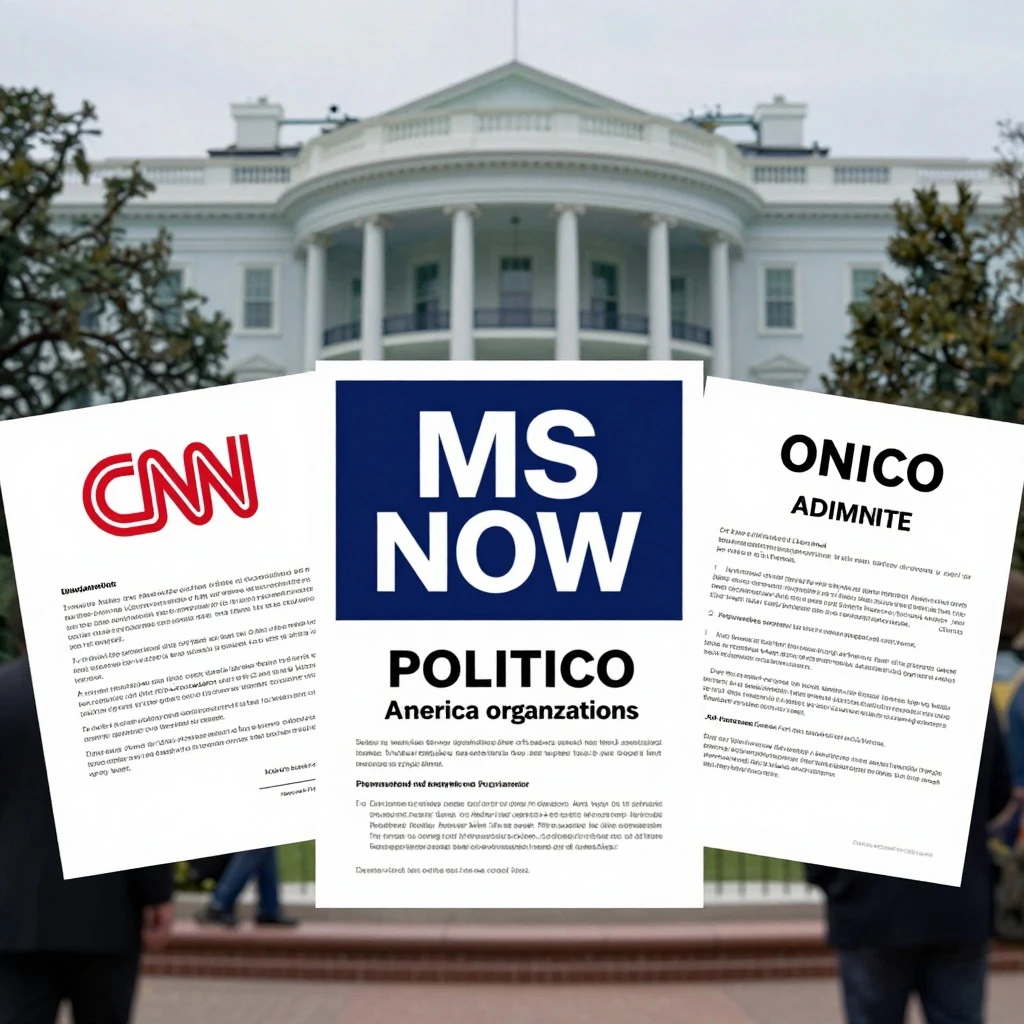
Three major American news organizations—CNN, MS NOW, and Politico—have filed a lawsuit against President Donald Trump in a Washington, D.C. court, accusing him of a “direct assault” on constitutional free speech rights. The legal action comes after their staff’s White House access passes were revoked over the weekend, effectively banning their reporters from covering the executive branch. The complaint argues that Trump has made clear he prefers to be covered only by outlets that praise his administration, and that the ban is a retaliatory move against coverage he deems “fake news.”
The lawsuit, filed after reporters from the three organizations were blocked from the White House on Saturday, asserts that the ban “irreparably curtails the organizations’ speech” by preventing them from publishing stories they otherwise would. It further claims that the ban “impermissibly chills the speech of other news organizations and journalists,” who must now weigh their constitutionally protected reporting against the risk of facing the same fate if their coverage displeases the president. The suit emphasizes that the organizations have lost the ability to perform essential newsgathering at the seat of the Executive Branch, where critical newsworthy events occur daily.
In a show of solidarity, other major television networks are standing with CNN by declining to replace its White House pool crew. This collective action underscores the gravity of the situation, as the ban not only affects the three outlets but also threatens the broader principle of a free press. The lawsuit follows a similar legal challenge by The Associated Press, which sued over access restrictions and whose case remains ongoing. Notably, on Monday, no outlet was listed for the primary TV pool for Washington or out-of-town coverage, highlighting the immediate impact of the ban.
The outcome of this case could set a significant precedent for press freedom and the limits of presidential power over media access. As the legal battle unfolds, it raises fundamental questions about the role of a free and independent press in a democratic society and whether the White House can selectively exclude journalists based on the content of their reporting.
 Shimanta Das