Prince Harry Faces Multi-Million Pound Legal Bill After Losing Daily Mail Privacy Case
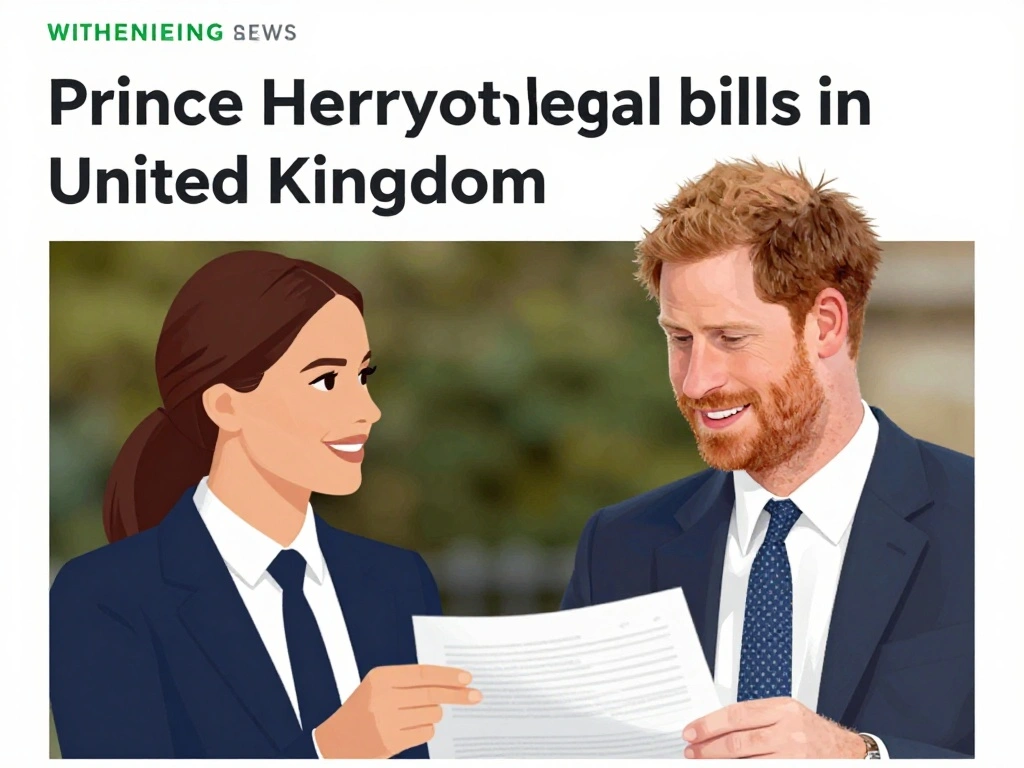
Prince Harry and his co-claimants, including Sir Elton John and Doreen Lawrence, are facing a substantial financial blow after losing their high-profile privacy case against Associated Newspapers Limited (ANL), the publisher of the Daily Mail. The High Court in London dismissed their claims of unlawful information gathering in their entirety on 7 July, and now the group could be left millions of pounds out of pocket. ANL has stated it incurred legal costs of $46 million, while the claimants’ insurance policy covers only about $21 million, leaving a significant shortfall that may not be covered.
The case, which involved allegations of phone hacking and other unlawful practices, was severely undermined when a key witness, private investigator Gavin Burrows, retracted his statement, claiming it was a forgery and that he had not engaged in illegal activities for the Mail titles. In his 436-page verdict, Mr Justice Nicklin emphasized that the court could not simply infer unlawful sourcing if a legitimate and realistic legal method existed. This ruling was hailed by Associated Newspapers as a major victory for press freedom, while Prince Harry criticized it as a “complete and obvious whitewash.”
This legal defeat is part of a broader legal battle for Prince Harry, who has been pursuing multiple cases against British tabloids. Earlier, he won a significant victory against Mirror Group Newspapers (MGN) over phone hacking, but the Daily Mail case represents a major setback. The Duke’s legal team has argued that he, the Duchess, and their children remain globally recognized figures and potential targets, underscoring the ongoing need for privacy protection.
Despite the financial and legal challenges, Prince Harry remains committed to his fight against tabloid intrusion. However, this ruling not only imposes a heavy financial burden but also raises questions about the viability of future privacy claims. As the legal costs mount, the outcome serves as a stark reminder of the high stakes involved in such litigation, both for the claimants and for the broader debate on press freedom versus individual privacy.

 Shimanta Das