{
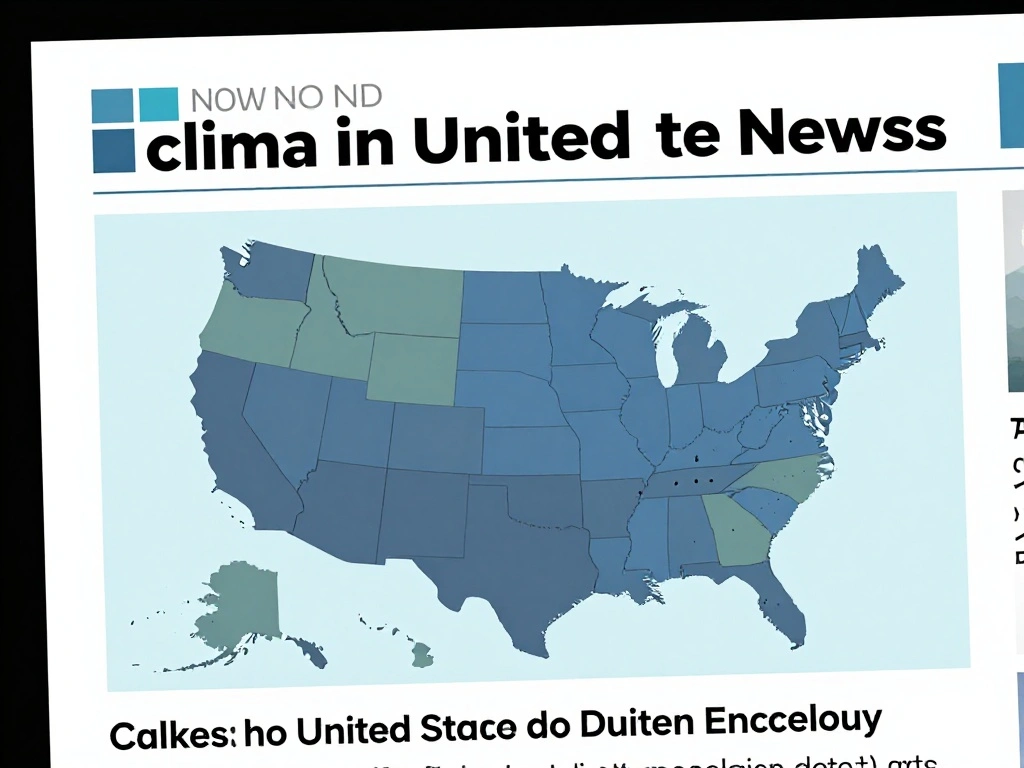
“title”: “Climate in the United States: A Season of Change and Challenge”,
“content”: “The climate narrative in the United States is one of profound transformation, marked by both subtle shifts and dramatic extremes. Recent data from the National Oceanic and Atmospheric Administration (NOAA) highlights a spring season that is arriving earlier across much of the nation, with the first leaves and flowers of common garden plants emerging ahead of their historical schedules. This phenological shift, while seemingly benign, is a clear indicator of a warming climate, with cascading effects on ecosystems, agriculture, and the timing of natural events. However, this trend is not uniform; the Southeast presents a contrasting story, where the timing of spring milestones has been less predictable, underscoring the regional variability that complicates our understanding of climate change.nnAt the same time, the United States is grappling with the tangible impacts of a changing climate on human activities and infrastructure. The challenge of keeping fans safe at outdoor events in a warming world is becoming increasingly difficult, as heat waves intensify and become more frequent. This is not just a matter of comfort but a serious public health concern, requiring event organizers to implement new strategies for cooling and hydration. Meanwhile, the 2025 hurricane season offered a paradoxical glimpse into the complexities of climate dynamics. For the first time since 2015, no hurricanes made landfall in the U.S., yet the season was notably active, producing 13 named storms, including five hurricanes and four major ones. Particularly striking were three Category 5 hurricanes—Erin, Humberto, and Melissa—the second-most to form in a single year, highlighting the potential for extreme storms even in years without direct landfalls.nnThese events are part of a broader pattern of climate impacts that include sea level rise, extreme weather, and ecosystem changes. The ability to predict and respond to these challenges hinges on robust climate science, which relies on a combination of direct measurements, proxy data, and sophisticated global climate models. The recent advances in climate modeling and scenario development are crucial for projecting future conditions and informing policy decisions. However, the science also faces common misconceptions, which can hinder effective action. It is essential to communicate the difference between weather and climate, and to clarify the roles of natural variability—such as El Niño and La Niña—versus anthropogenic factors like greenhouse gas emissions.nnIn response to these challenges, the U.S. is increasingly focusing on both mitigation and adaptation

 Shimanta Das