Zelenskyy Slams Trump’s Russian Oil Deal as ‘Lifeline’ for Putin’s War
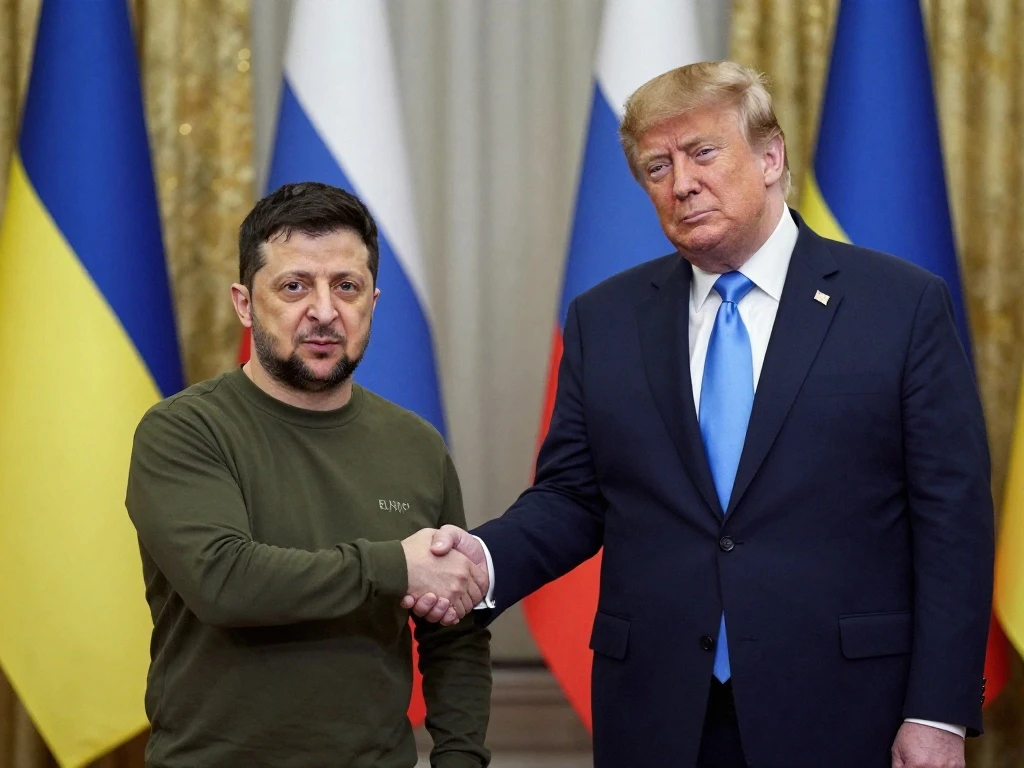
Ukrainian President Volodymyr Zelenskyy has sharply condemned a proposed U.S.-Russia deal on diesel supplies, calling it a “lifeline” for Vladimir Putin’s war effort and a blow to European stability. The agreement, reportedly floated by former President Donald Trump, would ease restrictions on Russian energy exports—a move Zelenskyy argues undermines international efforts to end the conflict. However, Moscow has not confirmed accepting such an agreement, and the precise scope of Trump’s proposal remains disputed. The Ukrainian leader’s criticism comes amid a broader debate over whether economic concessions to Russia could inadvertently fund its military machine.
Analysts warn that Russian energy revenue remains a critical source of financing for Moscow’s war, as Filipetti noted. Despite Trump’s announcement, Reuters reported Monday that Russia continued striking Ukrainian energy targets, while Kyiv maintained it had refrained from attacking Russian refineries. This long-range aerial war persists even as ground armies remain largely deadlocked more than four and a half years since Moscow’s full-scale invasion. In a separate incident, Ukrainian drones hit the major data center of Yandex in the Kaluga region, southwest of Moscow, partly putting it out of action. Meanwhile, a Russian drone strike on Kharkiv wounded more than 30 people, eight of whom remain hospitalized, according to Fedorov.
Zelenskyy also addressed the possibility of elections, saying he was willing to organize a vote but argued that voting remains impossible without a substantial pause in hostilities. His comments underscore the precarious security situation across Ukraine. On the diplomatic front, U.S. senators—including Republicans Susan Collins of Maine, Lisa Murkowski of Alaska, Thom Tillis of North Carolina, and John Curtis of Utah, along with Democratic colleagues—have voiced concerns over the proposed deal. The debate intensifies as new risks emerge for U.S. consumers: Iran-backed attacks threaten a second major oil chokepoint, potentially disrupting global supply chains. As the war grinds on, the intersection of energy politics and military strategy remains a volatile flashpoint.

 Shimanta Das