US B-1 Bombers Evacuate RAF Fairford Amid Iran-Backed Threat
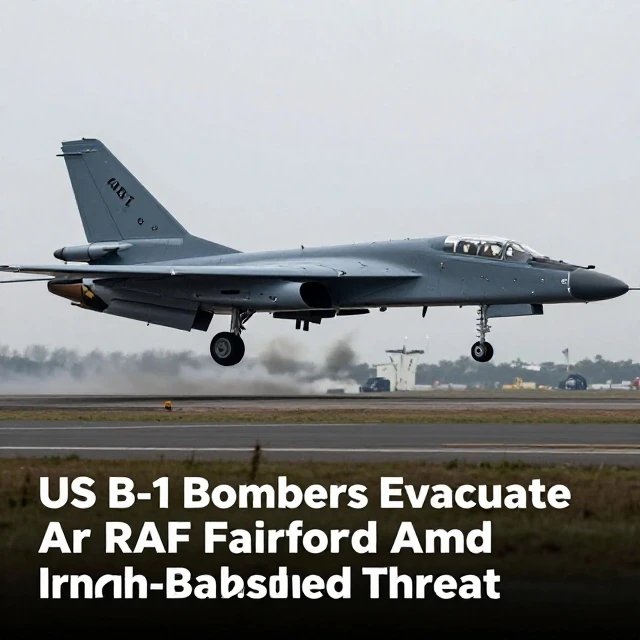
At least 10 of the 12 US B-1 bombers stationed at RAF Fairford have been evacuated following a reported threat linked to Iran-backed forces. The sudden departure on Sunday, which included aircraft that had arrived on rotation less than a week earlier, underscores the urgency and seriousness with which the US military treated the threat. This move comes on the heels of a major security incident on 27 September, when police were alerted to three “suspicious vehicles” near the airbase. While the exact nature of the threat remains unclear, US media reports indicate that it prompted the withdrawal. The Pentagon has not confirmed specifics but emphasized that its bomber fleet remains ready to respond to any contingency.
In a statement, a US defense official stressed that America’s bomber force—including B-1s, B-2s, and B-52s—remains capable of delivering precision global strike capabilities “anywhere, anytime,” even when operating from the continental United States. “The Airmen that operate America’s bomber force… remain ready to deliver precision global strike capabilities – including through operations that launch and recover from the continental United States – anywhere, anytime,” the official said. This assertion aims to reassure allies and deter adversaries that the temporary relocation does not diminish US reach or readiness. The US military still maintains a sizeable presence in the Middle East, and the bombers’ withdrawal from Fairford does not signal a reduction in overall operational capacity.
The evacuation occurs amid heightened tensions between the US, Israel, and Iran. Iran has declared that the Strait of Hormuz will remain closed until the US meets its conditions, and analysts are debating whether escalation is more likely than a diplomatic deal. The threat that prompted the bombers’ departure is suspected to be Iran-backed, though officials in the UK say the incident remains under investigation. The haste of the withdrawal—with some bombers leaving just days after arriving—highlights the perceived severity of the threat. While the Pentagon insists its aircraft can conduct missions from home soil, the episode raises questions about force protection and the evolving risk environment in Europe and the Middle East.
As the situation develops, the US continues to project strength through its global strike capabilities. The B-1 bombers’ relocation serves as a reminder of

 Shimanta Das