
Understanding Federal Byelection Results in Canada: Key Insights and Implications
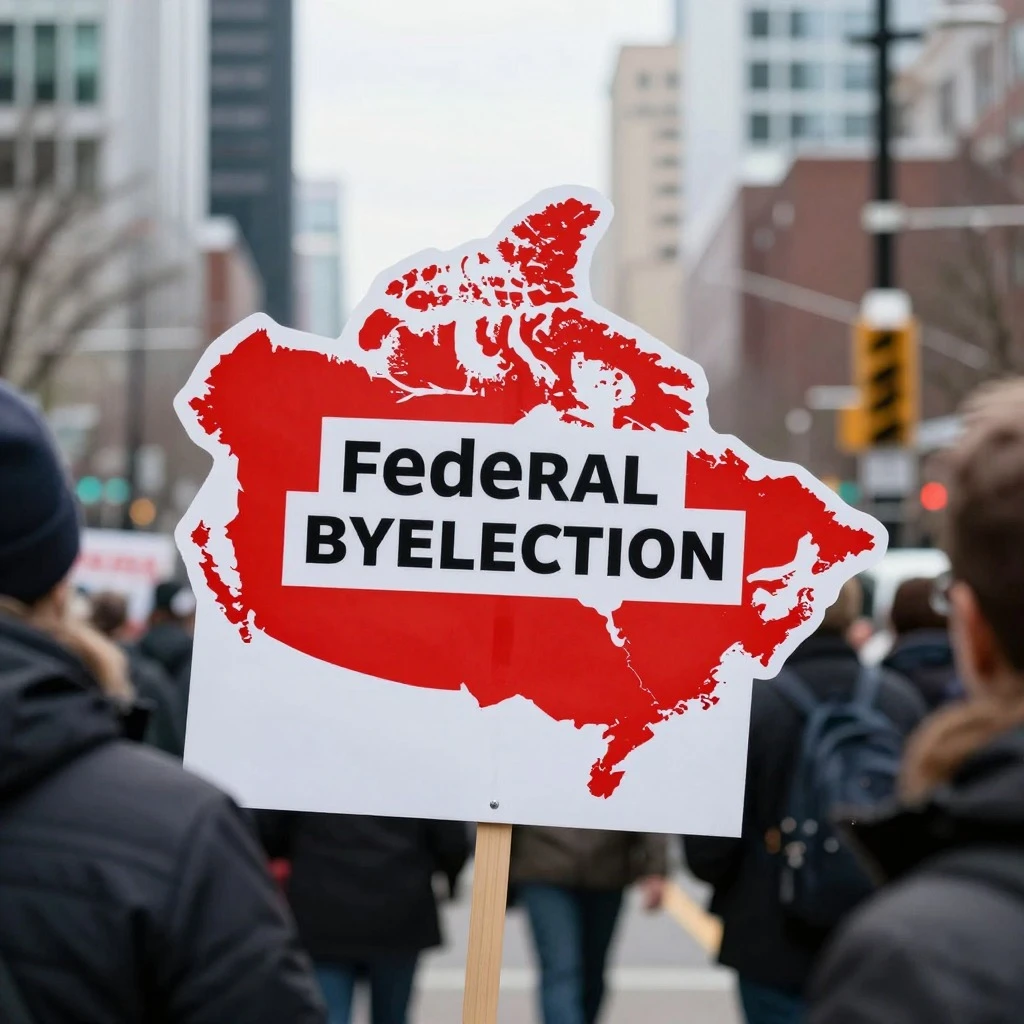
Federal byelections in Canada are pivotal moments that can signal shifts in public sentiment between general elections. These contests, held when a seat becomes vacant due to resignation, death, or other reasons, offer a snapshot of the political landscape. The results often provide early indicators of party momentum, voter priorities, and potential policy directions. For political analysts and citizens alike, byelections serve as a barometer for the health of the governing party and the opposition’s appeal.
Recent byelection outcomes have highlighted several key trends. One notable insight is the increasing importance of local issues and candidate quality over national party platforms. Voters in byelections tend to focus on specific concerns such as healthcare, housing, and the cost of living, which can diverge from the broader federal narrative. This means that a party’s performance in a byelection is not always a reliable predictor of its standing in the next general election. However, a strong showing can boost morale and media coverage, while a poor result may prompt internal reflection and strategic adjustments.
Another significant factor is the role of advanced data analytics and targeted outreach. Parties now leverage sophisticated tools to identify and mobilize potential supporters, often using micro-targeting based on demographic and psychographic data. This approach has made byelections more competitive and unpredictable, as even traditionally safe seats can become battlegrounds. Additionally, the rise of digital platforms has amplified the impact of grassroots campaigns, enabling smaller parties to gain visibility and challenge the established order.
For the governing party, byelection losses can be particularly consequential, as they may be interpreted as a referendum on their performance. Conversely, opposition parties view byelections as opportunities to demonstrate their readiness to govern. The results can also influence internal party dynamics, leadership confidence, and strategic priorities. Ultimately, while byelections are just one piece of the political puzzle, they offer valuable insights into the evolving preferences of Canadian voters and the shifting dynamics of the nation’s political landscape.

 Shimanta Das