Understanding College Football Rankings in the United States: A Comprehensive Guide
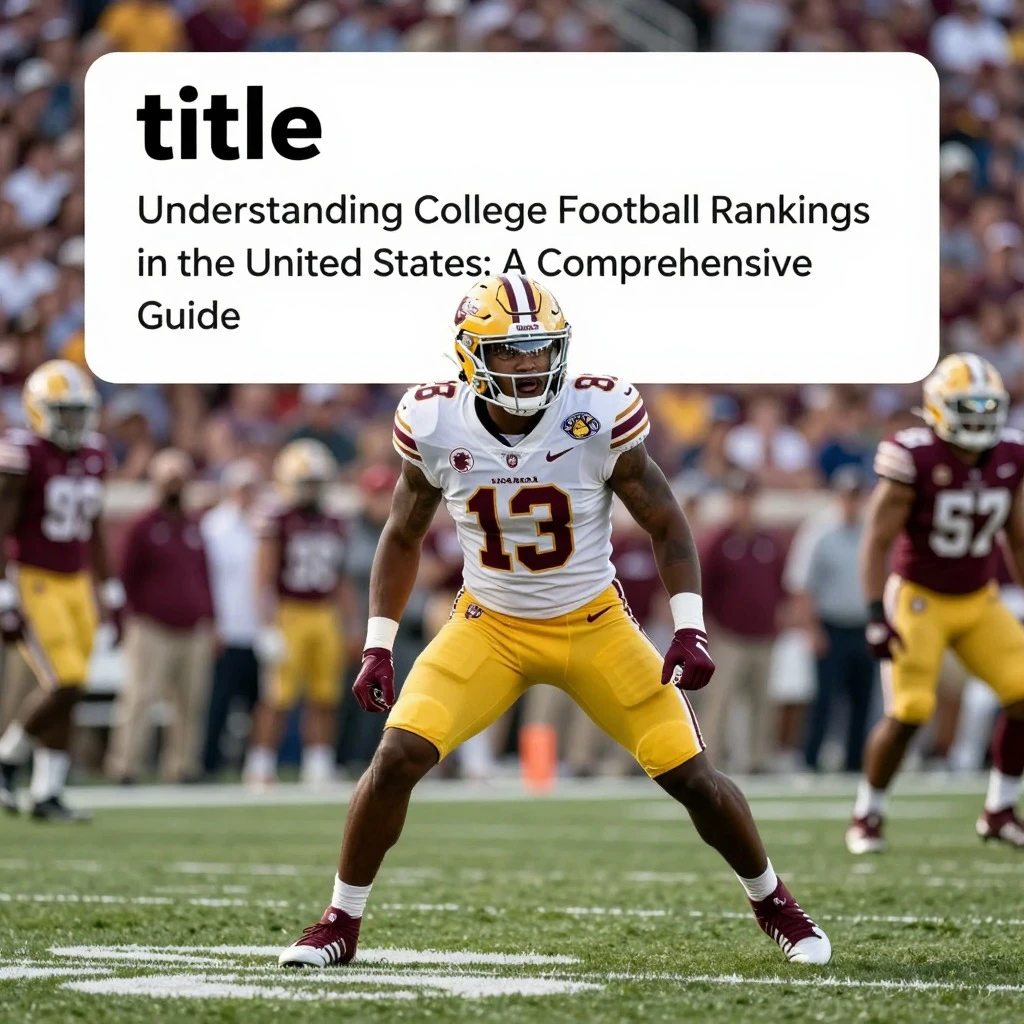
College football rankings in the United States are a cornerstone of the sport’s culture, generating intense debate and excitement among fans, players, and coaches. These rankings, which determine the top teams in the country, are released weekly during the season and are used to seed teams for postseason bowl games and the College Football Playoff (CFP). The rankings are compiled by various sources, including the Associated Press (AP) Poll, the Coaches Poll, and the CFP selection committee. Each system uses a unique methodology, but all aim to evaluate team performance based on factors like win-loss record, strength of schedule, and head-to-head results.
The College Football Playoff (CFP) rankings are particularly significant because they directly determine which four teams compete for the national championship. The CFP selection committee, composed of former coaches, athletic directors, and journalists, releases its rankings weekly starting in late October. Unlike the AP and Coaches Polls, which rely on human voters, the CFP committee uses a more holistic approach, considering game control, conference championships, and other qualitative factors. This often leads to controversial decisions, as teams with similar records but different schedules are compared and debated.
In recent years, the rankings have also been influenced by advanced analytics and data-driven metrics. While traditional polls still rely on human judgment, many fans and analysts now look to computer models like ESPN’s Football Power Index (FPI) or the Sagarin ratings to predict outcomes and evaluate team strength. These models incorporate factors such as margin of victory, opponent strength, and home-field advantage, providing a more objective perspective. However, the CFP committee explicitly states that it does not use computer rankings as a primary tool, emphasizing the importance of the “eye test” and subjective evaluation.
For fans, understanding the rankings is essential to following the season’s narrative. Rankings can change dramatically from week to week, and upsets often shake up the top 25. The weekly release of rankings has become a major event, with television shows dedicated to analyzing the results and predicting future movements. Moreover, rankings have significant financial implications, as higher-ranked teams are more likely to secure lucrative bowl invitations and attract top recruits. As the sport evolves, the debate over the best way to rank teams

 Shimanta Das