Trump’s Third Ohio Trip: Rallying for Allies in a Battleground State
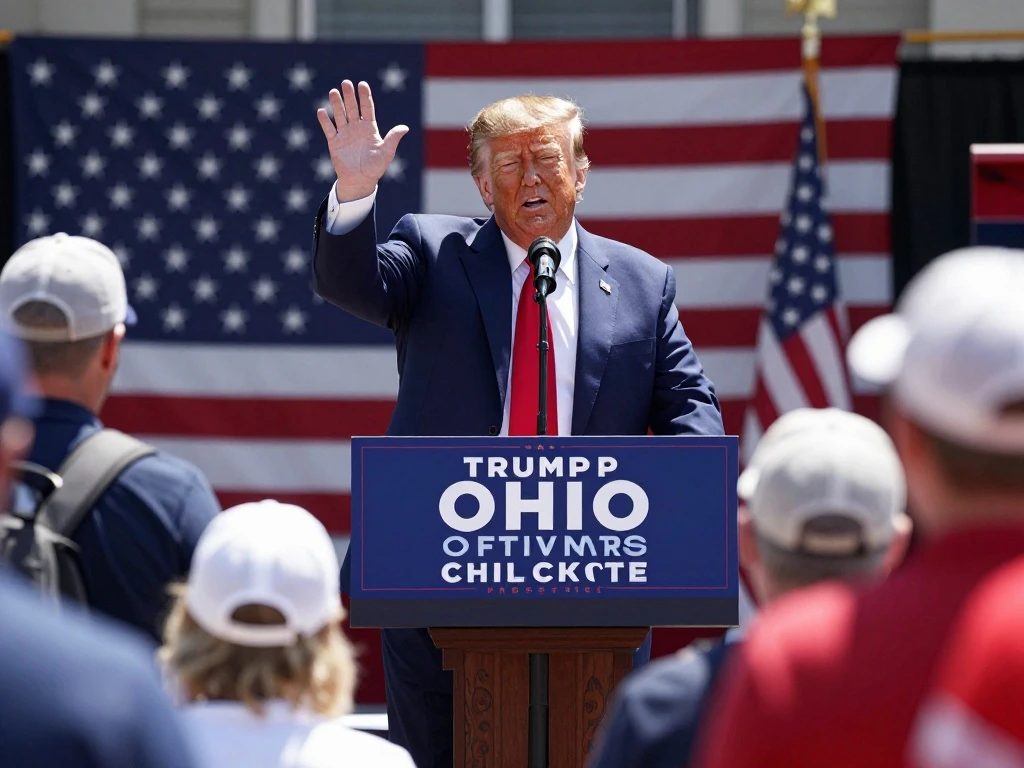
President Donald Trump made his third campaign trip to Ohio on Wednesday, headlining a rally in Chillicothe to boost his allies ahead of contentious midterm elections for governor and U.S. Senate. The visit underscores Ohio’s status as a key battleground, with competitive races that could shape the national political landscape. Trump used the platform to attack political foes both inside and outside the Buckeye State, energizing his base in a region hit hard by economic challenges.
The rally comes amid a backdrop of economic anxiety in Ohio. In August 2025, the Pixelle Specialty Solutions paper mill closed, leaving hundreds without jobs. Trump’s message of economic revival and restrictive immigration policies resonated with supporters like one attendee who said the impact of Democratic socialists was a main concern and hoped Republicans could continue Trump’s immigration agenda. The president’s visit also highlighted the gubernatorial contest, where Jon Husted, who hopes to fulfill the remainder of Vice President JD Vance’s term, is among those seeking office. The race remains far more competitive than expected, raising the prospect that many voters may split their ticket in a state with a history of divided victories.
Meanwhile, divisions within the Democratic Party are complicating their prospects. Haley Stevens, who narrowly lost the Democratic primary to El-Sayed, told The Detroit News that she believes El-Sayed is an antisemite and will back his Republican opponent, Mike Rogers. Such intraparty strife could benefit Republicans in November. Nationally, Democrats need to flip four Republican-held Senate seats to regain the majority, but some of their targets are in states Trump won by double digits in 2024, making the path challenging. The rally also served as a show of force for Trump’s influence, as he seeks to maintain momentum for his agenda.
As the midterms approach, Ohio remains a focal point. Trump’s third trip signals the high stakes involved, with control of Congress and key statehouses hanging in the balance. Voters will weigh economic concerns, party loyalty, and candidate controversies as they head to the polls. The outcome could have lasting implications for both parties and the nation.

 Shimanta Das