Trump’s Approval Rating Plummets to 34% as Economic Worries and Gas Prices Sink In
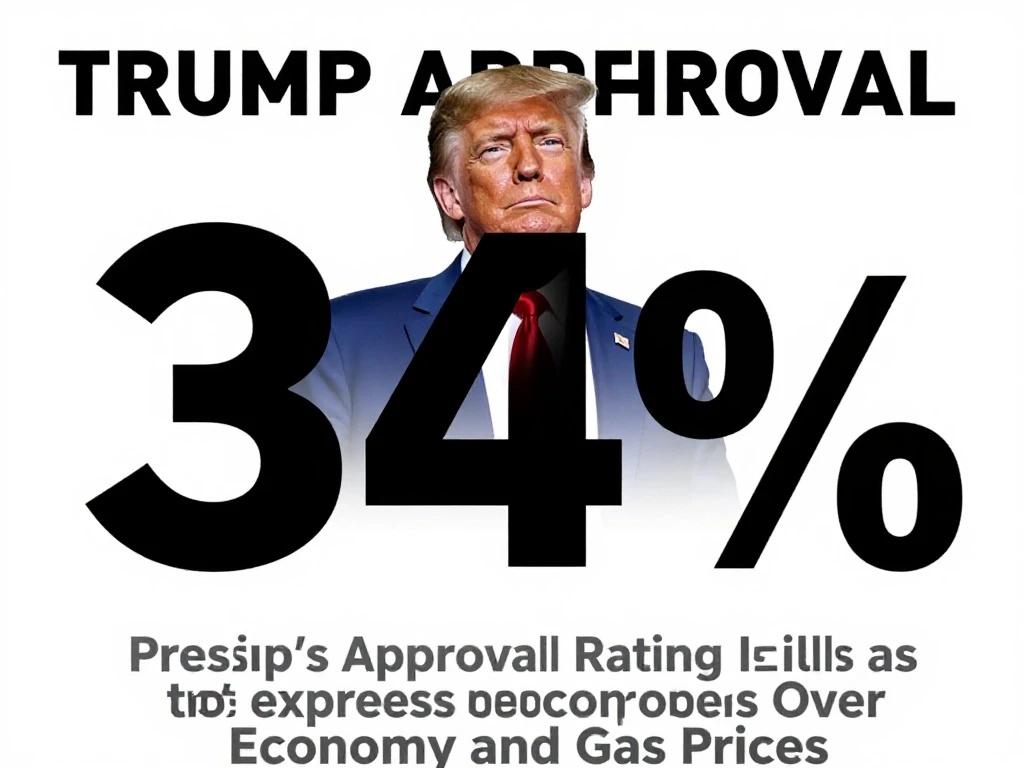
President Trump’s approval rating has fallen to 34%, a sharp decline from the 52% he enjoyed just a month into his second term, according to FiftyPlusOne, a polling and elections tracking website that aggregates major polls. The drop reflects growing voter dissatisfaction, particularly over the economy and rising gas prices. Major polling averages confirm the trend: RealClearPolitics shows 37% approve and 60% disapprove as of September 23, while Silver Bulletin reports similar negative territory. The 34% figure in the latest FT poll remains near September’s 33% reading, with more than two-thirds of respondents believing the U.S. is on the wrong track.
Economic concerns are front and center for voters. Although GDP expansion continues, it does not necessarily translate into immediate improvements in household purchasing power, especially when energy and housing costs remain high. Trump’s promises of cheaper gasoline are facing challenges as global oil prices stay elevated. As Coinpaper previously examined, these global pressures make it difficult for any administration to quickly lower pump prices. With affordability worries prominent ahead of the November 3 elections, voters are increasingly skeptical of the administration’s economic stewardship.
The political fallout could be severe for Republicans. FiftyPlusOne estimates that Democrats will gain 25 seats in the House of Representatives and four or five in the Senate, enough to secure majorities in both chambers. “It’s very, very, very unlikely for Republicans to hold on to their majority,” said Morris, a political analyst. While national polling cannot determine individual congressional outcomes, the findings illustrate how affordability concerns are shaping voters’ assessments. With Trump’s approval stuck in negative territory, the stage is set for a potential wave election that could reshape the political landscape.
In summary, Trump’s 34% approval rating underscores deep voter unease over the economy and gas prices. As the midterms approach, these issues are likely to dominate the political discourse, with Republicans facing an uphill battle to retain control of Congress. The president’s ability to address these concerns in the coming weeks may determine not only his own political future but also that of his party.

 Shimanta Das