Trump’s $5,000 Check Promise: A Pre-Election Gamble with Unanswered Questions
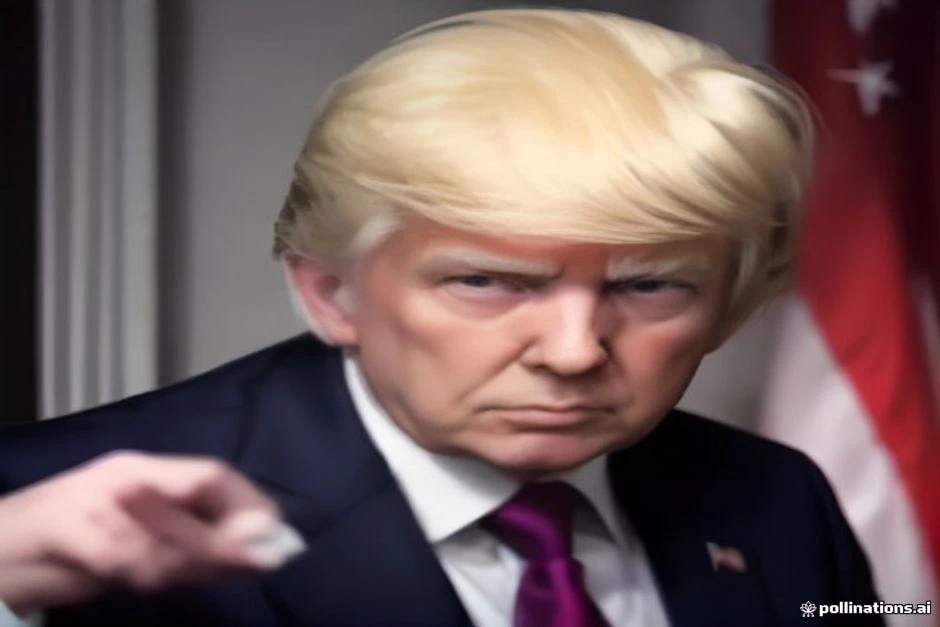
President Donald Trump has renewed a bold pledge to send $5,000 checks to Americans if Republicans maintain control of Congress after the November elections. The proposal, which Trump has dubbed a “Trump dividend,” comes as his administration is already distributing two significantly smaller direct payments. The promise has generated massive online interest because it would dwarf many previous federal stimulus-style payments and could potentially reach hundreds of millions of Americans. Trump has framed the payments as a reward for voters if Republicans remain in power, and supporters suggest Congress would work with the White House to advance the plan—but only if the GOP holds its majority.
However, the proposal remains just that: a promise. Trump has been extremely light on details, particularly on where the money would come from and who would need to authorize it. Key questions about funding, legislative mechanics, and eligibility remain unanswered. The lack of specifics has raised skepticism among economists and lawmakers, who note that such a massive payout would require congressional approval and could add trillions to the deficit. Despite the ambiguity, the pledge has energized parts of Trump’s base and become a central talking point ahead of the midterms.
The renewed pledge is one of several direct-payment ideas Trump has promoted as Republicans fight to keep Congress. At the party’s convention, held inside the American Airlines Center, there was little sign of Republican anxiety about November. Trump is due to return for the convention finale on Thursday, following a keynote address from Vice President JD Vance. In his remarks, Trump also strongly defended the unpopular Iran war, predicting victory and linking it directly to lower oil prices—before suggesting the strategically vital Strait of Hormuz should be renamed after him. That comment, like the $5,000 check promise, underscores Trump’s penchant for making headlines that dominate the news cycle.
While the “Trump dividend” has captured attention, it remains a campaign promise with no clear path to implementation. Without details on funding or authorization, the proposal serves more as a political rallying cry than a concrete policy plan. As Election Day approaches, voters may be left wondering whether the check will ever arrive—or if it’s simply another bold claim designed to sway the ballot box.

 Shimanta Das