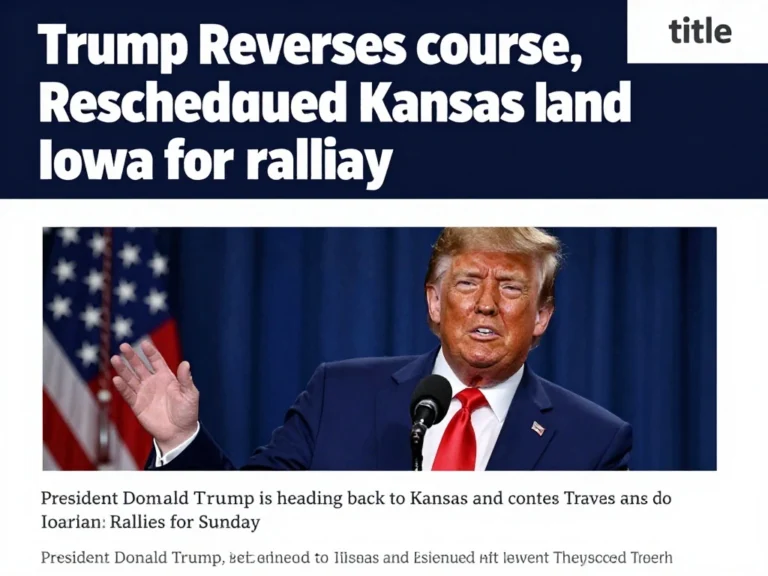
In a bold midterm election gambit, President Donald Trump proposed a $5,000 payment to every adult American citizen if Republicans retain both chambers of Congress. Announced on September 9, 2026, at the Republican Party midterm convention in Dallas, Texas, Trump framed the payment as a dividend from the nation’s economic success. However, a new national poll shared exclusively with Newsweek suggests the pledge may be doing more harm than good. According to a September Verasight poll, almost a third of Americans say the $5,000 pledge makes them less likely to vote Republican. While the poll doesn’t prove voters have changed sides, it indicates the offer is generating more resistance than enthusiasm. A separate Rasmussen Reports survey found likely voters essentially split, 47% to 48%, on the proposal, underscoring the polarizing nature of the promise.
Despite the fanfare, the $5,000 “Trump dividend” remains just a promise with scant details. Eligibility details are extremely limited, and it’s unclear where the money would come from or who would need to authorize it. The proposal was made from a convention stage, not through formal legislation, and no bill has been introduced. For a check to actually go out, Congress would need to pass legislation, and the president would need to sign it—a process that is far from guaranteed, especially with the current political gridlock. The lack of specifics has led many to view the pledge as a campaign stunt rather than a serious policy proposal.
The timing is critical: the midterms are approaching, and Trump is using the promise to energize his base. But the Verasight poll suggests it may be alienating independent and moderate voters. With almost a third of Americans saying it makes them less likely to vote Republican, the pledge could backfire in key races. The White House has not provided further details, and it remains to be seen whether the proposal will gain traction or fade away as election day nears. For now, the $5,000 check is a talking point, not a reality—and its political impact is still unfolding.
 Shimanta Das