Trump Taps DNI Director Jay Clayton to Lead New ‘Super Intelligence Force’
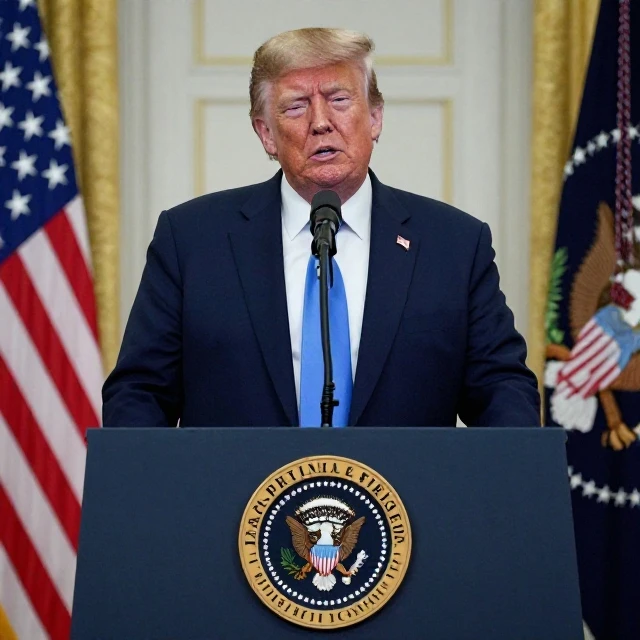
President Donald Trump announced Sunday that he is appointing Director of National Intelligence Jay Clayton to lead a new White House initiative focused on artificial intelligence, which Trump calls the “Super Intelligence Force” (SIF). In a post on Truth Social, Trump said the task force will “coordinate the Federal Government’s engagement with Consumers, Public Interest Groups, Religious Organizations, Critical Infrastructure Providers, and Super Intelligence Companies.” The president, who prefers the term “super intelligence” over “artificial intelligence,” framed the initiative as a way to bring together diverse stakeholders to address the rapid advancement of AI technologies.
The SIF’s mandate appears to be primarily coordinative, aiming to facilitate dialogue between the federal government and key sectors affected by AI. By including consumers, public interest groups, and religious organizations alongside critical infrastructure providers and AI companies, the task force seeks to balance innovation with broader societal concerns. Trump’s announcement did not detail specific policy goals or regulatory authorities, but the inclusion of critical infrastructure providers suggests a focus on securing systems that underpin national security and daily life.
Reactions to the appointment have begun to surface, with at least one prominent voice emphasizing the need for robust oversight. Senator Mark Warner, a Democrat, said in a statement, “I look forward to working with Director Clayton on ensuring the United States stays ahead of China and other adversaries, strengthening the security and resilience of our most advanced AI systems, and establishing rigorous testing and safeguards so that increasingly powerful systems remain secure, reliable, and under human control.” Warner’s comments highlight bipartisan concern over AI competition with China and the importance of maintaining human control over increasingly capable systems.
The initiative also raises questions about potential conflicts of interest, particularly given the involvement of figures like David Sacks, who reportedly maintains direct financial stakes in multiple AI companies. Sacks, who has close ties to Trump and successfully urged him to scrap an executive order that would have subjected AI models to government review, took steps to divest some holdings last year while serving in the administration. As the SIF moves forward, it will likely face scrutiny over its composition and the influence of industry players. The White House has not yet provided further details on the task force’s structure or timeline.
 Shimanta Das