
Tornado Warning Alerts in United States News: Real-Time Tracking and Safety
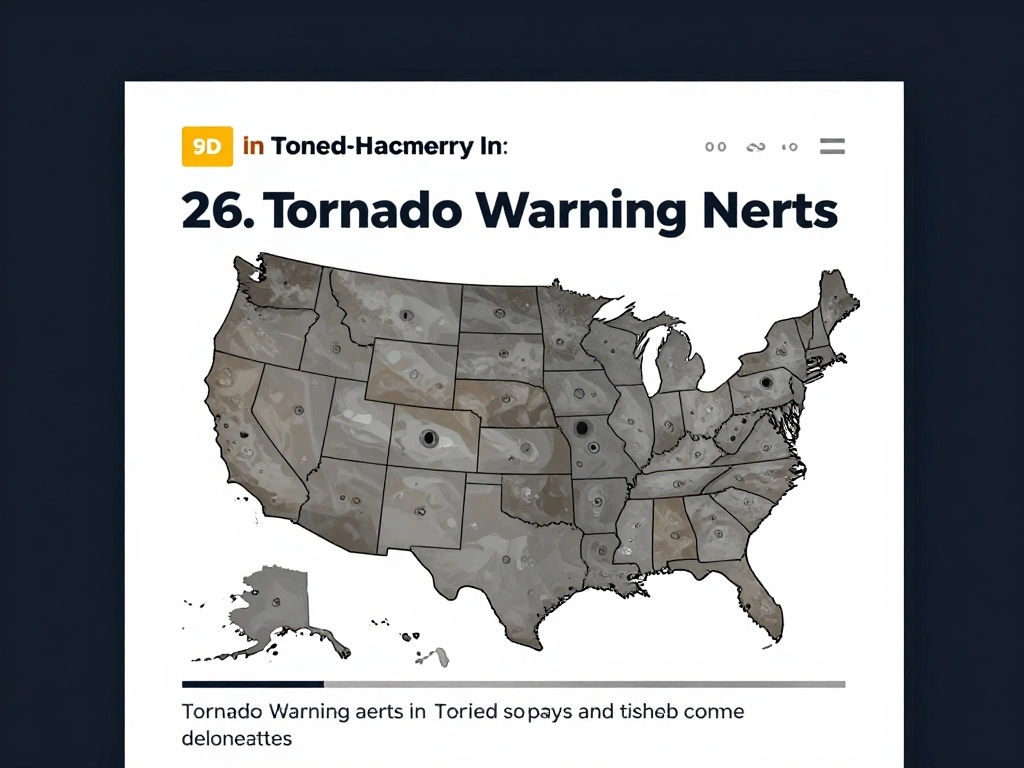
Tornado warning alerts are a critical component of severe weather preparedness in the United States. The National Weather Service (NWS) issues these warnings when a tornado has been sighted or indicated by weather radar. With the increasing frequency of severe weather events, staying informed is more important than ever. TornadoPathLive is a comprehensive warning system that provides real-time tracking and live radar maps for communities across the United States and Canada. This interactive tool empowers individuals to make informed decisions during severe weather threats by pairing structural warnings with precipitation density mapping layers.
The system covers multiple NWS Weather Forecast Offices, including Wakefield, VA; Dodge City, KS; Duluth, MN; Atlanta, GA; and many others. Users can click on specific sites to view tornado warning products. The live radar map displays solid crimson blocks for active, critical threats, helping users differentiate low-thunderstorms from high-velocity mesocyclones. This reduces panic and ensures clear tracking during major regional outbreaks.
In addition to the web-based tracker, mobile alerts are a key feature. When you receive an alert on your phone, it’s crucial to act quickly. The system’s interactive map allows users to see the exact path of the warning and nearby radar data. By understanding the difference between a watch and a warning, and using tools like TornadoPathLive, individuals can better protect themselves and their families. Remember: a tornado warning means immediate action is needed—seek shelter in a basement or interior room away from windows.
As severe weather events become more common, reliable warning systems are essential. TornadoPathLive’s integration with NWS data and real-time radar provides a valuable resource for millions. Whether you’re in the Midwest, Southeast, or any tornado-prone area, staying informed through these alerts can save lives. Always have a plan and multiple ways to receive warnings, including NOAA weather radios and smartphone apps.

 Shimanta Das