Tornado Near Me: Real-Time Alerts and the Shifting Threat in the United States
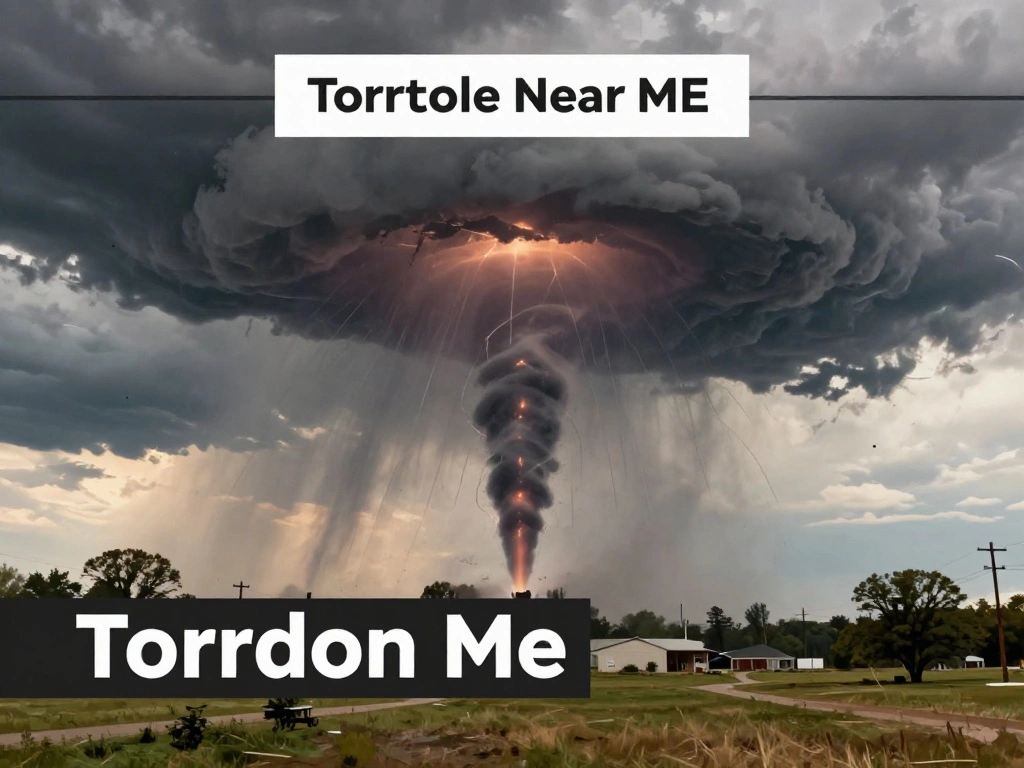
When severe weather strikes, the question “tornado near me” becomes a matter of life and safety. In the United States, the National Weather Service (NWS) and the Storm Prediction Center (SPC) provide critical, real-time data that powers live warning systems. These systems track active tornado and severe-thunderstorm warnings, hail reports, and storm locations, updating every five minutes. For communities from the Plains to the Southeast, having access to this information is essential for making informed decisions during severe weather events. The recent alerts, such as the severe thunderstorm warnings issued for Indiana, Illinois, and Utah, highlight the constant need for vigilance and preparedness.
While the traditional “Tornado Alley” in the Plains remains a hotspot, the threat is shifting. The region encompassing Mississippi, Alabama, Tennessee, and Arkansas—often called “Dixie Alley”—now accounts for a growing proportion of violent tornadoes and, in major outbreak years, the majority of tornado fatalities. This shift is driven by several compounding factors. The Southeast has a denser population spread across smaller towns and rural areas, and thick forest cover blocks sightlines, making it difficult to spot a tornado until it’s nearly on top of you. Nighttime tornadoes are also more common, with over 35% touching down between 6 p.m. and 6 a.m., when people are asleep and outdoor sirens may go unheard. Additionally, a larger share of the population lives in manufactured housing, which offers virtually no structural protection against a tornado’s force.
To address these challenges, comprehensive tornado warning trackers have become invaluable. These tools provide live radar maps and interactive displays that empower Americans and Canadians to track severe weather in real time. By integrating data from NOAA, the SPC, and local NWS offices, these systems deliver critical alerts directly to users. For instance, the recent flash flood warnings in Virginia, West Virginia, and Tennessee, and the severe thunderstorm warnings in Ohio and Virginia, were all communicated through such platforms. The key is to always follow instructions from local emergency officials, but having a reliable tracker can give you the precious minutes needed to seek shelter.
In an era of increasing severe weather variability, staying informed is not just a convenience—it’s

 Shimanta Das