Tommy Wieringa’s Call for Optimism Without Hope: A Keynote That Resonates in Dutch Design and Beyond
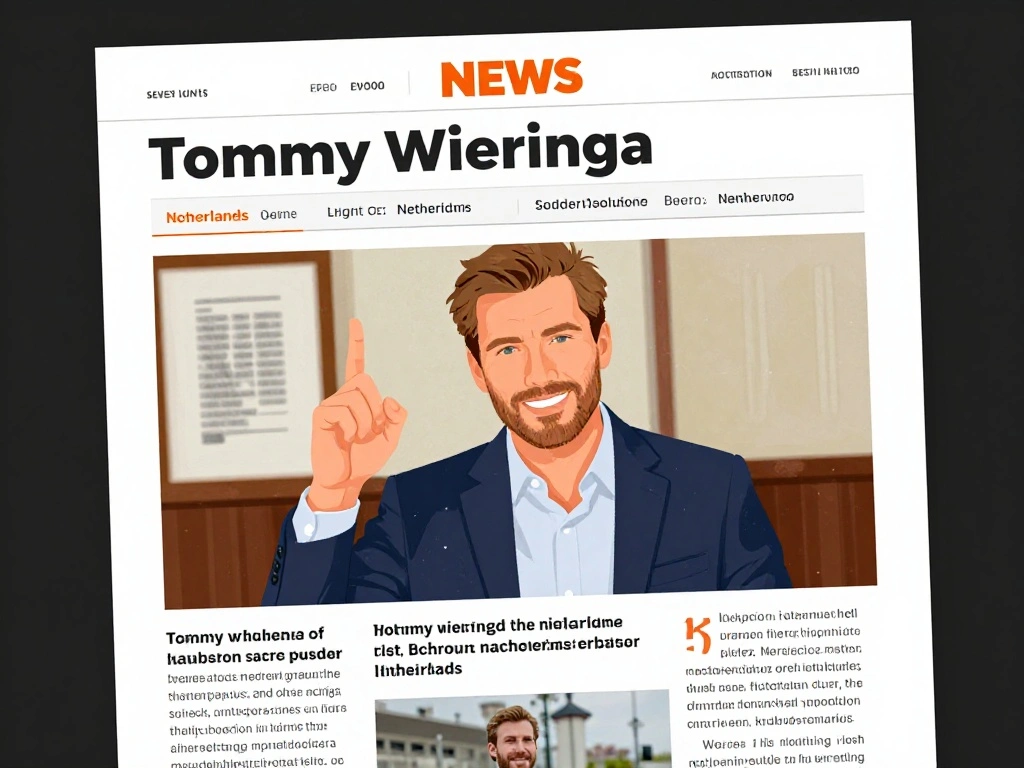
In a world increasingly defined by ecological, social, and political crises, Dutch writer Tommy Wieringa delivered a keynote at Dutch Design Week on October 20th that struck a deep chord with designers and researchers. His essay, centered on the notion of optimism without hope, challenged the audience to reconsider their role in driving change. Wieringa argued that in a landscape resistant to transformation, this deliberate stance is not just relevant but essential. By critically situating his argument within the Dutch design context, he urged practitioners to reflect on their methods and motivations, offering a path forward that embraces action despite uncertainty.
Wieringa’s words resonated viscerally with the audience, particularly when he addressed the feeling of powerlessness that many people experience today. He noted, “Mensen hebben vaak het gevoel dat ze geen enkele zeggenschap meer hebben” (People often feel they have no say anymore). In his keynote, he sought to counter this despair, expressing a desire to inspire activism. On the VPRO Instagram channel, he shared his hope that viewers would leave as activists, ready to take bold actions—even going so far as to glue themselves to the A10 highway and declare, “¡No pasarán!” This call to action underscores his belief that individual and collective agency can still make a difference.
The keynote also sparked broader conversations about the role of the designer and researcher in polarized times. Wieringa’s emphasis on committing to change through optimism encourages a critical examination of how we work, pushing against cynicism and passivity. His message is a reminder that even in the face of overwhelming challenges, there is power in choosing to act. However, as his later appearance in the television program Zomergasten revealed, this commitment comes with its own complexities. While passionately advocating for a life of great deeds—planting trees, supporting Ukraine, doing something—an uncomfortable question arises: can one strive to save the world without also enjoying the hero’s role? This tension adds depth to Wieringa’s philosophy, making his insights all the more compelling for those navigating the intersections of creativity, responsibility, and hope.
 Shimanta Das