
The Bologna Station Bombing: A Wound That Refuses to Heal
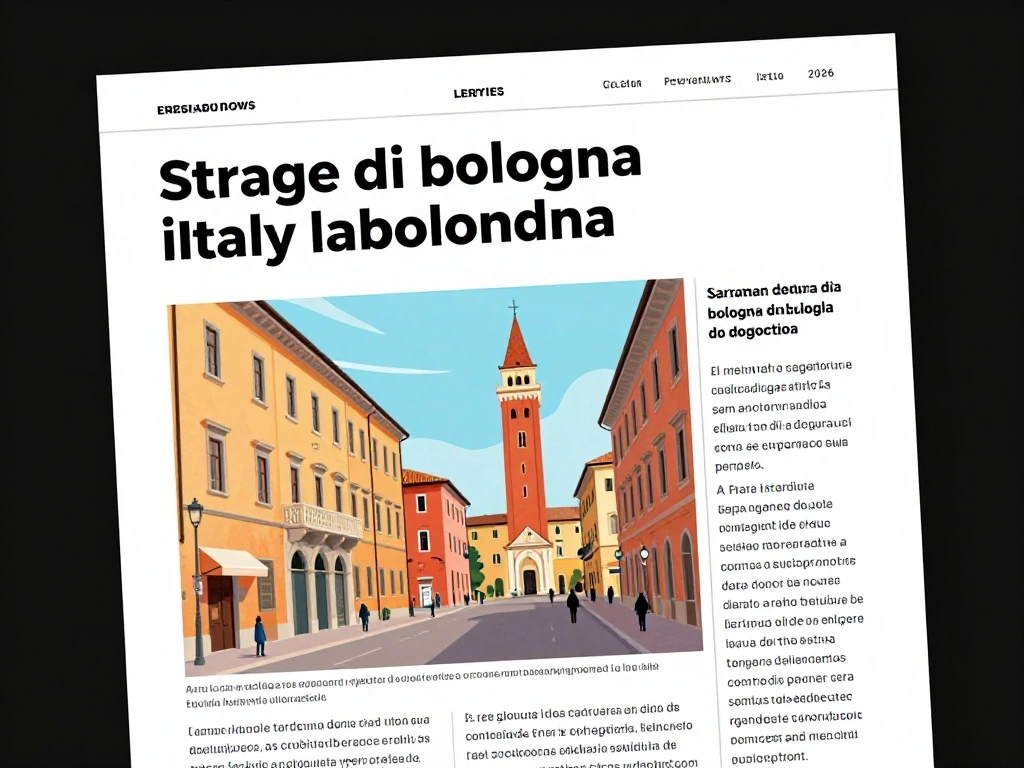
On the morning of August 2, 1980, a bomb ripped through the waiting room of Bologna’s central train station, collapsing the roof and destroying much of the main building. The explosion also struck the Ancona–Chiasso train waiting at the first platform, killing 85 people and wounding over 200. This horrific act of terrorism, known as the ‘strage di Bologna,’ remains one of Italy’s darkest chapters, a symbol of the political violence that plagued the country during the ‘Years of Lead.’ The attack was initially attributed to neo-fascist groups, and decades of investigations have sought to uncover the full truth behind the massacre.nnIn a significant step toward justice, far-right militant Paolo Bellini was found guilty of direct involvement in the bombing, as reported by Alfio Bernabei in the British anti-fascist magazine Searchlight in April 2022. This conviction marked a crucial victory for the victims’ families and for those who have long demanded accountability. However, the search for the masterminds behind the attack continues, with many questions remaining unanswered. The bombing is widely believed to have been part of a ‘strategy of tension’ aimed at destabilizing Italy and paving the way for an authoritarian regime, a theory reinforced by the recent statements of President Sergio Mattarella, who declared that ‘neo-fascists wanted to destroy democracy.’nnThe victims’ families, organized under the Associazione dei familiari delle vittime della strage alla stazione di Bologna del 2 agosto 1980, have been relentless in their pursuit of truth and remembrance. Their efforts have ensured that the memory of the tragedy remains alive, and that the fight for justice continues. The station itself bears the scars of the attack: while most of the building has been reconstructed, the original floor tile pierced by the detonation has been preserved, and a deep crack in the reconstructed main wall is covered by a glass panel, serving as a permanent memorial to the victims.nnAs the 46th anniversary of the bombing approaches, the city of Bologna remains a symbol of resilience and civic commitment. The annual commemorations, including a procession attended by families and citizens, are a powerful reminder of the community’s refusal to forget. The recent controversy surrounding the case of Fakir, a Pakistani citizen who was killed in a separate incident

 Shimanta Das