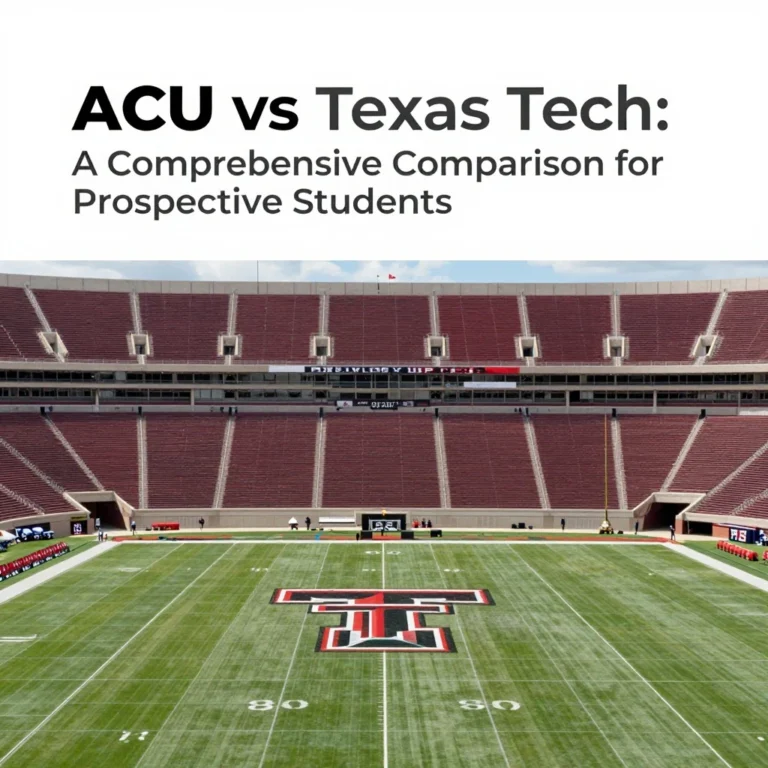
Texas State vs Texas: A Guide to the Lone Star State’s Two Distinct Entities

When people hear “Texas,” they often think of the Lone Star State’s vast landscapes, vibrant cities, and rich history. However, in the context of the United States, “Texas” can refer to two distinct entities: the state of Texas and Texas State University. This article aims to clarify the differences and highlight key aspects of each, helping you understand their unique roles and contributions.nnThe State of Texas is the second-largest state in the U.S. by both area and population, known for its diverse geography ranging from deserts to piney woods, and its robust economy driven by industries like energy, technology, and agriculture. It is a major political and cultural force, with a unique identity that includes its own power grid, a history of independence, and a strong sense of state pride. For residents and visitors alike, Texas offers a blend of Southern, Western, and Mexican influences, making it a fascinating place to live and explore.nnOn the other hand, Texas State University is a public research university located in San Marcos, Texas, with additional campuses in Round Rock and other locations. Founded in 1899, it is one of the largest universities in the state, enrolling over 38,000 students. Texas State is renowned for its programs in business, education, health professions, and the arts, and it is particularly known for its strong commitment to research and community engagement. The university’s mascot, Bobcat, and its vibrant campus life make it a popular choice for students seeking a comprehensive educational experience.nnWhile the state and the university share the name “Texas,” they serve different purposes. The state governs and provides services to millions of residents, while the university educates and shapes future leaders. Interestingly, both are integral to the fabric of Texas, contributing to its growth and reputation. For instance, Texas State University plays a role in the state’s workforce development, supplying graduates who go on to drive the economy and innovation.nnIn summary, whether you’re referring to the state of Texas or Texas State University, both are significant in their own right. Understanding the distinction is essential for clear communication, especially in contexts like travel, education, or business. So, the next time someone mentions “Texas,” consider the context to determine whether they’re

 Shimanta Das