Swiss Insolvency Proceedings: FINMA’s Role and Recent Developments
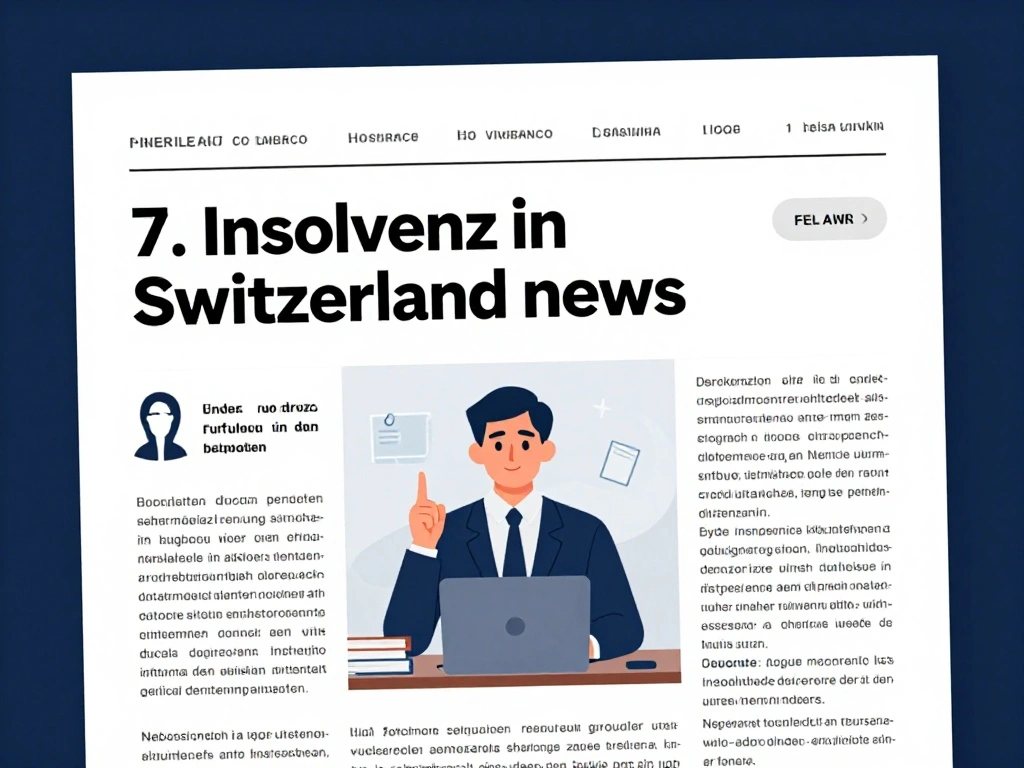
In Switzerland, insolvency proceedings are governed by a robust legal framework, with the Swiss Financial Market Supervisory Authority (FINMA) playing a pivotal role in the supervision and execution of recovery and resolution measures for financial institutions. FINMA’s core mandate in such proceedings is to protect the interests of creditors of the affected companies. To this end, the authority publishes official notices and communications regarding the insolvency, restructuring, and bankruptcy procedures it initiates or oversees. These announcements are made promptly after the enactment of relevant measures, ensuring transparency and timely information for all stakeholders.
A notable recent development in Swiss insolvency law is the revision to the Federal Act on Debt Enforcement and Bankruptcy, which came into force on January 1, 2025. This revision has significantly impacted the landscape of insolvency proceedings, introducing changes that affect both debtors and creditors. One of the key aspects of the revised law is the emphasis on the hierarchy of creditor claims. In the distribution of proceeds, creditors in a higher class must be fully satisfied before those in lower classes receive any payment. If the proceeds are insufficient to cover a creditor’s claim in full, the creditor may pursue the remaining amount through ordinary debt enforcement proceedings as an unsecured creditor.
A practical example of these proceedings in action is the case of a company with headquarters in Lucerne and Solothurn, which is currently facing severe financial difficulties. Employees have been waiting for their salaries since the summer, and the situation remains precarious. However, a rescue may still be possible, as the company explores restructuring options under the supervision of the relevant authorities. This case underscores the challenges that companies and their employees face during insolvency, as well as the importance of a well-regulated process to ensure fair treatment of all parties involved.
In summary, Switzerland’s insolvency framework, with FINMA at the helm for financial institutions, aims to balance the interests of creditors while providing a structured path for companies in distress. The recent legal revisions and ongoing cases highlight the dynamic nature of insolvency law and the continuous efforts to adapt to changing economic realities. For creditors and stakeholders, staying informed about these developments is crucial to navigating the complexities of insolvency proceedings effectively.
 Shimanta Das