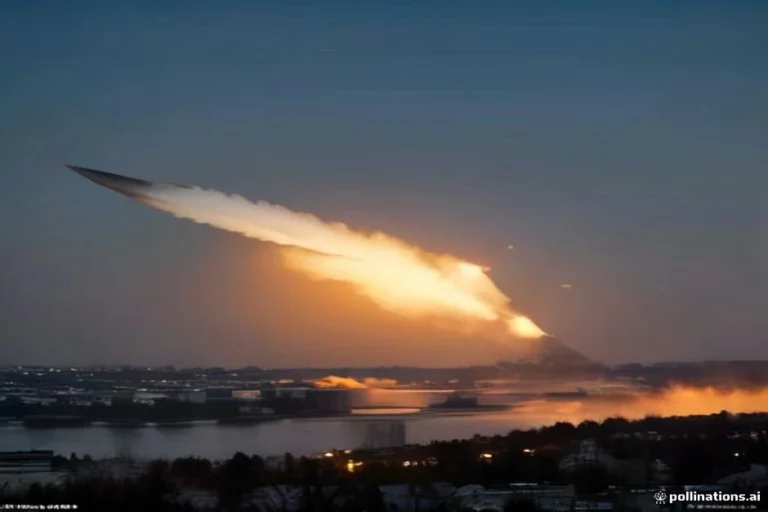
Strait of Hormuz Tensions and Rising Oil Prices Ignite Global Economic Fears

The global oil market is facing renewed turbulence as escalating military conflict between Iran and the United States and Israel has raised fears of a major supply disruption. At the heart of these concerns is the Strait of Hormuz, a critical chokepoint through which most Persian Gulf oil is exported. The conflict has already prompted a closure of the Strait, initially driven by the need to adjust insurance contracts for oil tankers. This closure has sent shockwaves through energy markets, with supply reductions anticipated to be concentrated among producers that rely on the Strait for exports. Meanwhile, production growth elsewhere is expected to remain limited, leaving little cushion to offset potential losses.nnOil price risks remain largely upward. According to current projections, Brent crude is expected to average $86 per barrel in 2026 before dropping to $70 per barrel in 2027 as supply stabilizes. However, the main upside risks are significant: re-escalating hostilities in the Middle East or lasting impediments to regional oil flows due to new constraints on exports through pipelines and more extensive damage to regional production and export capabilities. On the demand side, growth in 2026 is expected to remain concentrated in major emerging markets, particularly Brazil, India, and Indonesia, supported mainly by transport fuels and petrochemicals. This persistent demand growth, combined with supply uncertainties, could keep prices elevated for longer than anticipated.nnTo understand the gravity of the situation, it is useful to compare it with earlier geopolitical shocks. Major oil supply shortfalls driven by wars or revolutions have occurred before: the Yom Kippur War in 1973, the Iranian Revolution in 1979, the outbreak of the Iraq–Iran War in 1980, and the Persian Gulf War in 1990. Notably, the oil price increase in 1979 was more about the anticipation of a major disruption after the Iranian Revolution rather than an actual supply shortfall. Similarly, today’s market is reacting not only to the physical closure of the Strait but also to the psychological impact of potential prolonged instability. The current disruption, however, is unique in that it directly targets the world

 Shimanta Das