Strait of Hormuz Crisis: Iran Attacks Supertanker as Oil Prices Surge and Shipping Costs Soar
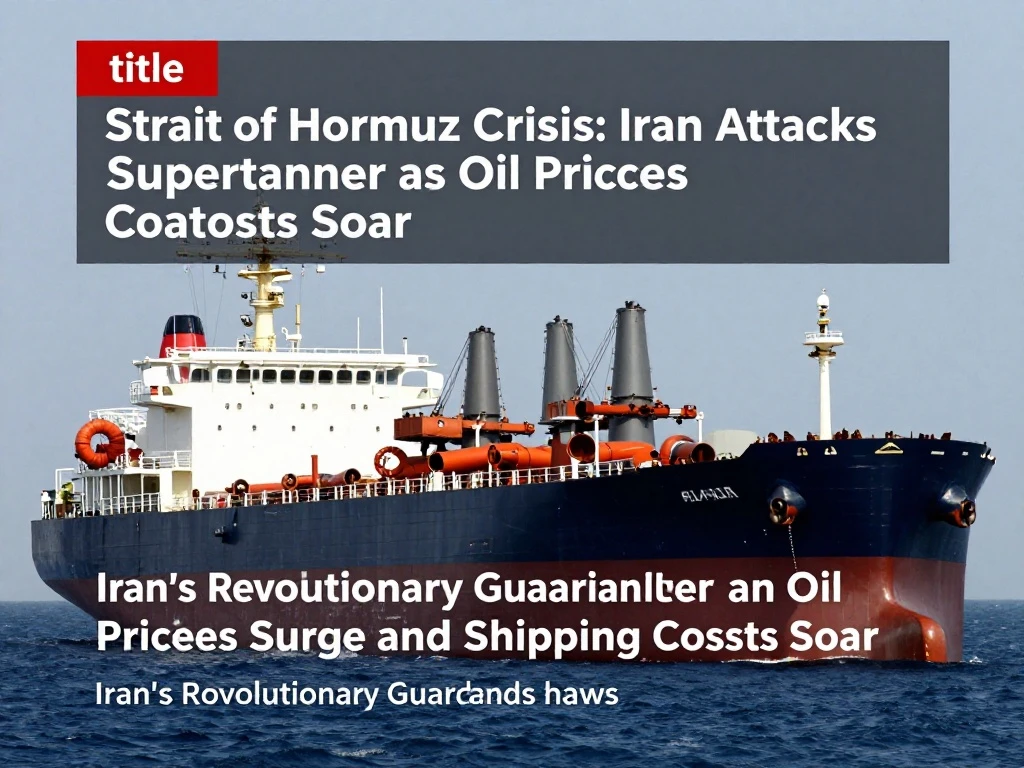
Iran’s Revolutionary Guards have claimed responsibility for an attack on an oil tanker in the Strait of Hormuz, marking the third such incident in just two days. According to the Tasnim news agency, the targeted vessel had switched off its navigation system and ignored warnings from the navy. On Sunday, Iranian media circulated a video purporting to show an explosion on a supertanker that reportedly struck a sea mine in the strategic waterway. The escalating aggression has heightened fears of a broader conflict that could disrupt global oil supplies, as the Strait of Hormuz remains the world’s most critical chokepoint for crude transportation.nnThe attacks have sent shockwaves through energy markets, with oil prices remaining elevated as traders fear Tehran could escalate further by targeting ports, pipelines, or oilfields. Diesel and other refined products are already in short supply, compounding concerns. Insurance costs for tankers have soared, significantly impacting overall expenses for shipping companies and adding upward pressure on freight rates. Meanwhile, listed tanker stocks have more than doubled this year, reflecting both the heightened risk premium and the potential for increased demand as shippers seek alternative routes. The human toll is also mounting: two Indian nationals remain missing after a separate drone attack on the MT Petro Dolphin earlier this month.nnThe diversification of crude supplies remains a key strategy for importers, particularly in Asia. As one analyst explained, “The diversification angle for crude supplies remains in play while the flow from the Strait of Hormuz can still be disrupted, which means even if the arbitrage looks shut, there will likely be more Atlantic crude flows into Asia.” This shift is already evident in a recent shipment of 2 million barrels that traveled beyond the Strait of Hormuz, a significant move that underscores the growing importance of alternative routes. However, the rerouting of tankers comes with its own challenges, including longer voyage times and higher costs, which could further strain global supply chains.nnGeopolitical tensions in the Middle East remain elevated due to ongoing Houthi attacks and issues with Saudi Aramco’s pipelines, creating a volatile environment for energy markets. The situation in the Strait of Hormuz is particularly precarious, as any sustained disruption could lead to a sharp spike in oil prices and a global

 Shimanta Das